As an investor, I spend a lot of time backing founders who use tech-enabled innovation to solve some of our world’s most vexing problems. I also believe companies should build generosity into their corporate DNA from the beginning. That is one reason I encourage portfolio companies to join the Pledge 1% and commit a portion of their equity to charitable causes. When a company creates long-term value, that value can and should also create long-term community impact.
For me, that philosophy shapes the kinds of leaders and organizations I look to invest in. It also extends to the community-based organizations I support. DignityMoves and their practical solution to end street homelessness is one of those organizations.
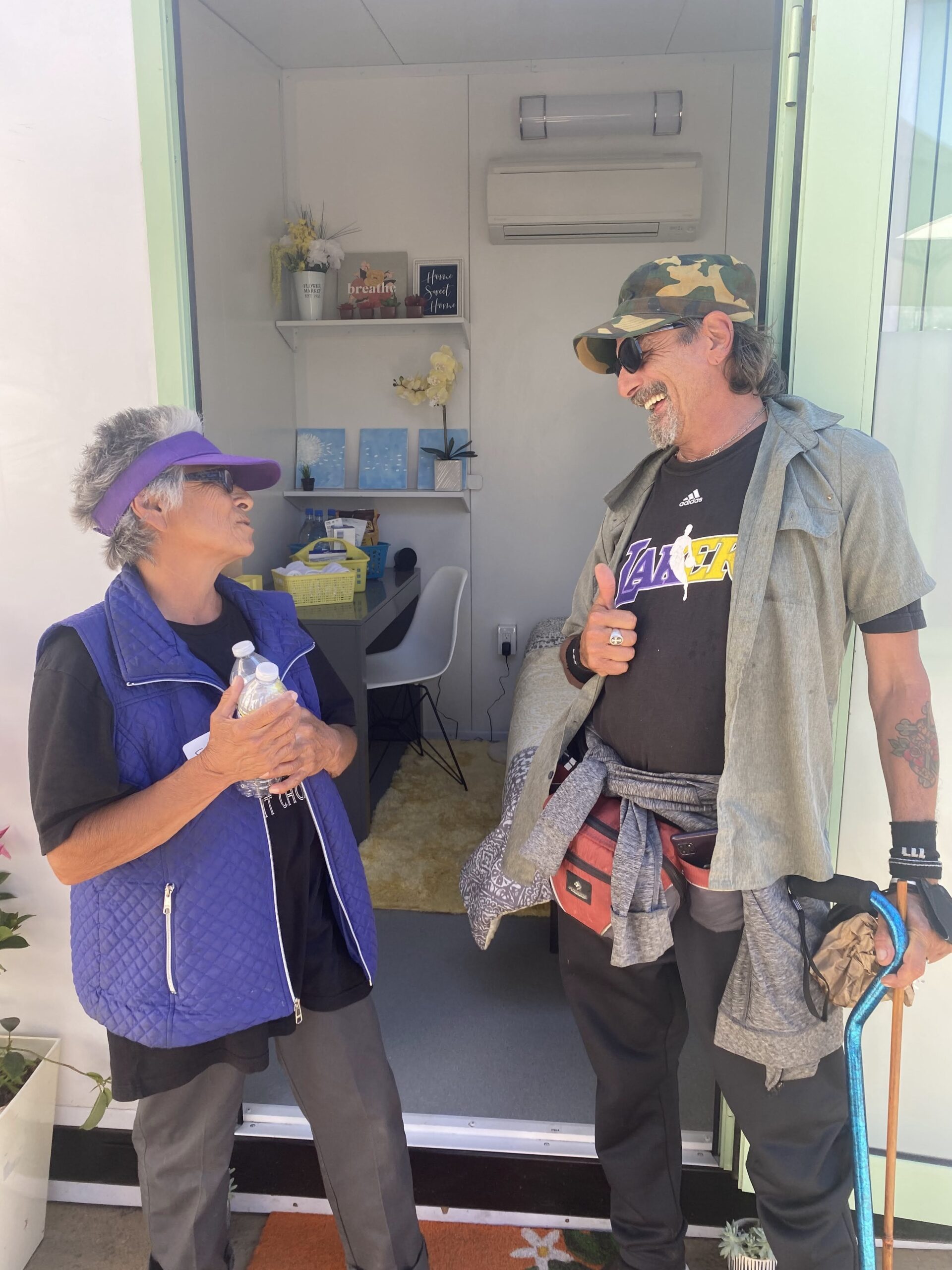
DignityMoves is tackling one of the most visible and urgent challenges facing communities across California: unsheltered homelessness. What drew me in is the simplicity of their interim supportive housing model, offering a pragmatic, cost-effective solution to a complex problem. And in just 5 short years since its founding, DignityMoves is demonstrating that street homelessness can be reduced and even ended when communities scale interim housing and commit to a clear, coordinated plan.
That plan starts with three steps
Step 1 is to count your unhoused residents and build enough interim supportive housing units to match that number, fast.
Step 2 is to ensure people move indoors by enforcing camping bans only once there’s truly somewhere safe for everyone to go.
Step 3 is to address the deeper housing-market pressures that push people into homelessness in the first place, especially rent burden and the shortage of homes affordable to working people.
That is where DignityMoves is helping change the equation.
The root causes of homelessness are complex, but one thing is clear: The longer someone remains living on the street, the more likely they’ll become trapped in a cycle of escalating health crises and high-cost interventions. That’s why speed in developing housing is not a luxury, it is a humanitarian necessity. The faster we create safe interim housing, the better chance we have of services reaching the homeless and beginning the recovery process.
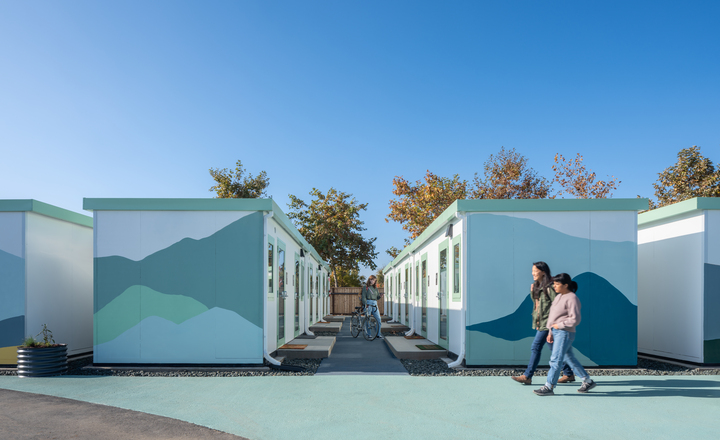
DignityMoves partners with cities to turn vacant or underused land into dignified interim supportive housing quickly and cost-effectively. Using prefabricated, movable units and faster delivery methods, DignityMoves develops communities with private rooms, safe shared spaces, and service-enriched environments far faster than traditional development approaches. In doing so, it gives cities the practical housing capacity they need to bring people indoors now, while they continue the longer work of expanding permanent affordable housing.
What excites me most is that DignityMoves has already demonstrated real traction. I liken it to an early-stage company with a proven model and clear product-market fit. It’s seeing surging demand from cities and is operating in a policy environment increasingly aligned toward bringing people indoors quickly and humanely. And it has a Founder and CEO in Elizabeth Funk who combines urgency, strategic discipline, and a vision for scale.

I have watched DignityMoves grow from an early proof point into an organization with the potential to transform how cities respond to street homelessness. A big reason for that confidence is Elizabeth Funk. She brings a rare Silicon Valley sensibility to nonprofit leadership: bold in vision, rigorous execution, and a relentless focus on scale. Over the past two decades, Elizabeth has led impact investment funds and championed the use of market-based solutions to address social problems at a scale traditional philanthropy cannot reach alone. Earlier in her career, she helped build products at Microsoft and Yahoo!, experiences that shaped her belief that large, stubborn problems can be solved with the right combination of innovation, discipline, and partnerships. That is exactly how she leads DignityMoves today.
And that is why I am leaning in
For the Pledge 1% community interested in tackling street homelessness, the time to embrace step 1 is now. Supporting organizations like DignityMoves is one way to do exactly that.
DignityMoves has completed 12 projects totaling 898 beds and is on track to serve approximately 13,000 people over a decade through those communities. That alone is a meaningful impact. But what is even more compelling is what comes next.
With $3.7 million in capacity funding, DignityMoves projects it can scale to 6,450 beds by 2029, serving close to 100,000 people over a decade — transforming more than five times as many lives. That is the kind of leverage that should get the attention of any business leader, investor, or philanthropist interested in scalable social impact.
DignityMoves has a proven model, measurable impact, and a credible path to scale. The time to support this work is now.
If this resonated with you, join me in supporting DignityMoves’ Capacity to Scale Campaign. Please reach out to Elizabeth Funk at Elizabeth@dignitymoves.org for more information on how you can support this effort to help end street homelessness.