There is a question most companies never ask themselves: are we genuinely preparing our people for what comes next — or are we just hoping they keep up?
At MIDCAI, that question became the foundation of everything we now call the Thriving Multiplier. It is our answer to a world where the rules of work are being rewritten faster than most organisations can respond to. And it started not with a giving programme, not with a cause, but with a decision to look inward first.
We are a 20-person Salesforce consulting team working across Agentforce, Data Cloud, Field Service, MCN, and ITSM. We joined Pledge 1% because we believe business can be a force for positive change. But when we sat down to define what that meant for us, we kept arriving at the same uncomfortable truth: giving back to the world outside our walls would ring hollow if we hadn’t first made a real commitment to the people inside them.
So we pledged inward. And we let the impact follow.
The Part Most Companies Skip
Most conversations about corporate responsibility skip straight to the outward gesture — the cause supported, the cheque written, the volunteer day booked. All of it matters. But there is a version of giving back that is quieter, less photogenic, and arguably more powerful: the daily commitment to make the people building your company genuinely ready for the skills our work now demands
Not just employed. Not just productive. Ready.
In a world being reshaped by AI, that distinction has never mattered more. The companies that will create lasting impact — for their clients, their communities, and the wider ecosystem, are the ones whose people are equipped, confident, and growing. Everything else depends on that foundation.
That is where the Thriving Multiplier begins.
Skills That Last
Every person at MIDCAI is actively building Salesforce certifications and deep AI expertise: in Agentforce, Data Cloud, Field Service, and beyond. This is not a training calendar item. It is a living commitment that sits at the centre of how we operate.
We made this decision because we believe the most human thing a company can do right now is refuse to let its people get left behind. The AI era is not coming; it is already here. And the gap between the world moving forward and the people inside an organisation being prepared to move with it is where most companies quietly fail their teams.
At MIDCAI, we close that gap consciously. Because a career built on yesterday’s skills is not a career; it is a countdown. And no one on our team should be counting down.
Leaders, Not Just Consultants
At MIDCAI, wearing multiple hats is not a workaround. It is how leaders get built.
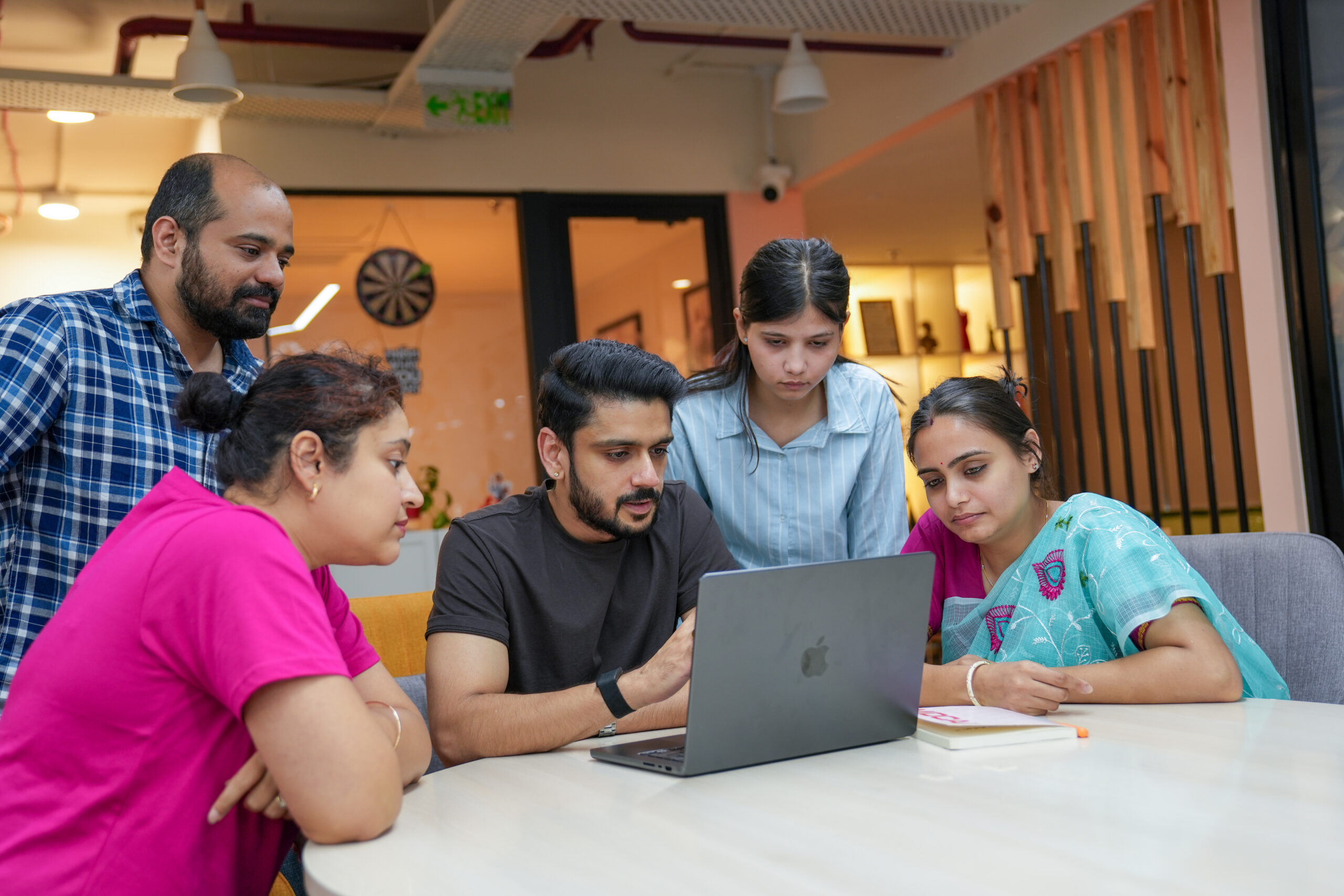
When someone on our team leads a client conversation, architects a Salesforce solution, and mentors a junior colleague in the same week, that range is not accidental. That is the point. Narrow roles produce narrow growth. We are not interested in either.
Leadership development here is not a calendar event. It lives in how we structure work, who we put in rooms, and what we ask people to stretch into.
The AI-native Salesforce practitioners we are building today will lead this ecosystem tomorrow. That is not a vision statement. It is just what happens when you take people’s growth seriously and do not stop.
The Impact That Multiplies Outward
The Thriving Multiplier doesn’t stay inside our walls. That is what makes it a multiplier.
This past year:
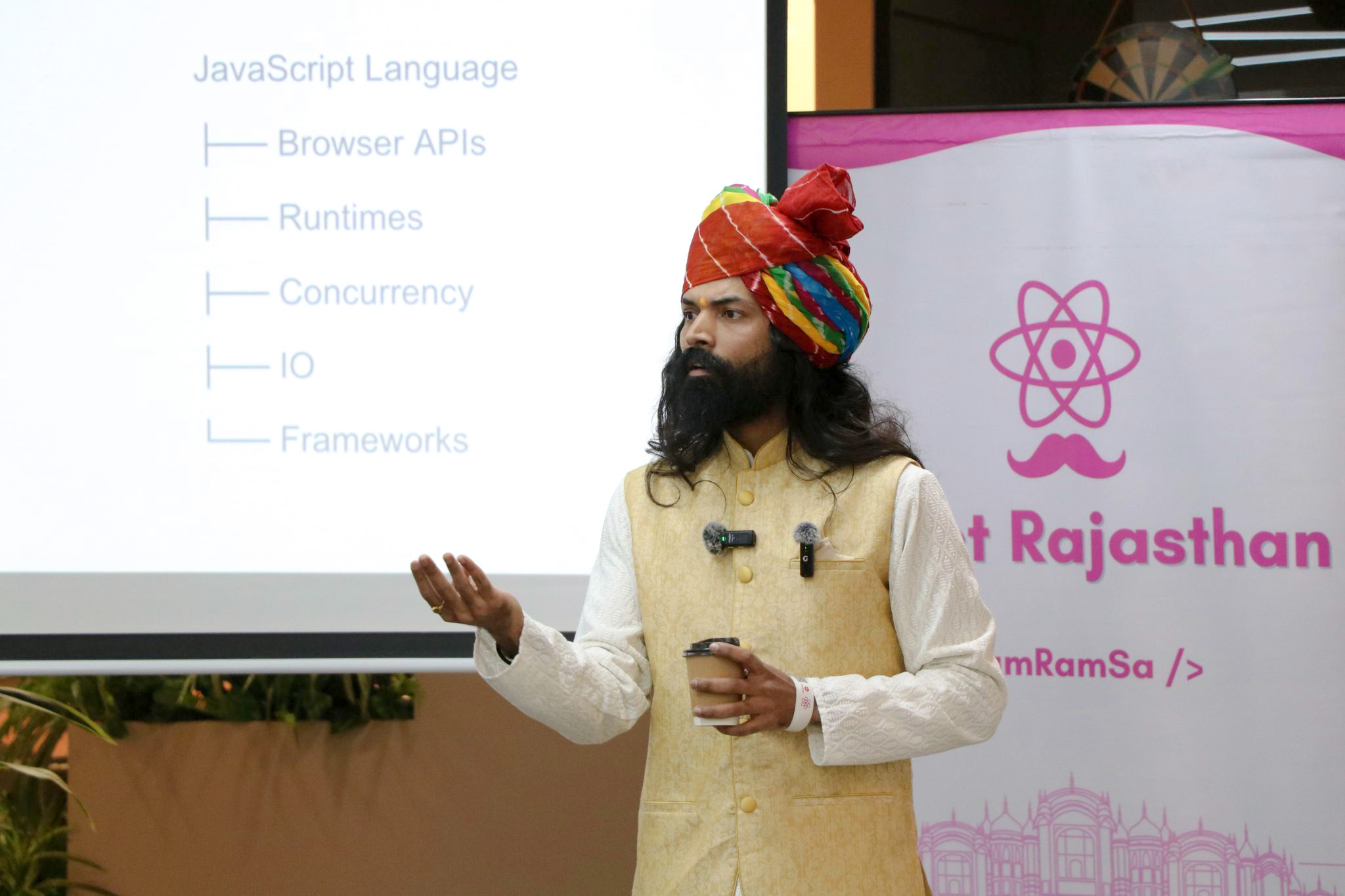
- We sponsored a React JS event that brought Jaipur’s developer and builder community together.
- We helped establish the Jaipur Slack chapter — a growing network of tech professionals who are now connected, learning, and creating opportunities together.
- We invested in AI skills development across the team and sponsored courses for interns, because the best thing we can offer someone at the start of their career is a genuine head start on the skills that will define the next decade.
None of this is separate from our business. It is a direct extension of it. A team that is growing itself creates the conditions for the communities around it to grow too. Invest inward with intention, and the impact multiplies outward, into client organisations, into ecosystems, into careers that we may never directly shape but will always have touched.
What the Pledge Changed
Joining Pledge 1% did not change what we believed. It changed how accountable we were to it.
There is something that happens when you commit publicly, not to a policy document, not to an internal goal, but to a global community of companies that take this seriously. The quiet decisions get harder to avoid. The ones made when no one is watching, when the budget is tight, when it would be easier to defer. The pledge lives in those moments more than any other.
We are twenty people. We are building leaders, growing a community, and showing up for the ecosystem around us, not because it scales neatly or looks good in a report, but because we believe a company’s greatest impact is the people it shapes and the communities it strengthens along the way.
That belief is our 1%. And we are just getting started.
Read the original article here.
It’s possible for young people to feel supported, connected and hopeful in a digital age. The Pinterest Impact Fund backs the people and organisations making that real on the ground.
From social media to AI, rapid advances in technology are reshaping daily life faster than protections, norms or regulations can keep up. Our world is more digitally connected than ever, yet many people feel increasingly isolated. Challenges around identity and belonging are driving a growing need for emotional well-being support, while the systems designed to meet that need remain fragmented and underfunded.
The Pinterest Impact Fund is working towards a world where everyone feels safe, seen and celebrated in every part of their lives—both on and offline. That means expanding what emotional well-being support looks through investments in organisations on the ground, working to advance youth mental health and well-being.
Our approach: Investing in joyful, community-rooted well-being
We recognise that emotional well-being is multi-faceted, and can be supported in ways that are joyful and affirmative. Community environments and relationships create spaces where people connect, build identity, express themselves and find belonging.
This perspective informs how we invest. We prioritise organisations that are:
- Community-rooted and culturally grounded
- Designing innovative, non-clinical approaches to well-being
- Reaching young people in ways that feel relevant, accessible and trusted
Many of our Impact Partners are early in their growth and deeply embedded in the communities they serve. They are often led and staffed by people who reflect those communities—particularly those that have been historically underrepresented—bringing lived experience that strengthens their ability to design culturally resonant solutions. This proximity enables them to build solutions in ways that traditional systems cannot.
Our goal is to support and strengthen what these organisations already do, and help them to innovate. We do this through:
- Trust-based, flexible funding that allows partners to adapt and innovate as needs within their communities emerge
- A focus on emerging and scaling organisations with high potential
- Investment in organisational capacity and ecosystem participation, not just programmes
- Support for ecosystem connection across the ecosystem, so partners can learn from and collaborate with one another
Through this approach, we aim to help Impact Partners strengthen their foundations, grow their impact and contribute to a broader, more responsive emotional well-being ecosystem.
What we’re seeing: Growing reach, real outcomes and a strained system
Since 2021, the Pinterest Impact Fund has invested more than USD $40M through our Impact Partners to support youth emotional well-being around the world. Nearly 90% of those reached are youth (ages 13–26).1 With Gen Z as our fastest-growing audience on Pinterest,2 this work is core to both our mission and to our business.
We are also seeing encouraging indicators of impact1:
- 76% of programme beneficiaries report increased connectedness and belonging
- 67% report positive behavioural or emotional changes
- 80% of Impact Partners are collaborating within the emotional well-being network
At the same time, many partners are operating within a fragmented and increasingly strained emotional well-being ecosystem, where organisations often struggle to secure sustained funding. More than half of organisations (56%) describe their current financial health as ‘surviving’, while 17% report ‘staying afloat’ and only 28% say that they are ‘thriving’.1
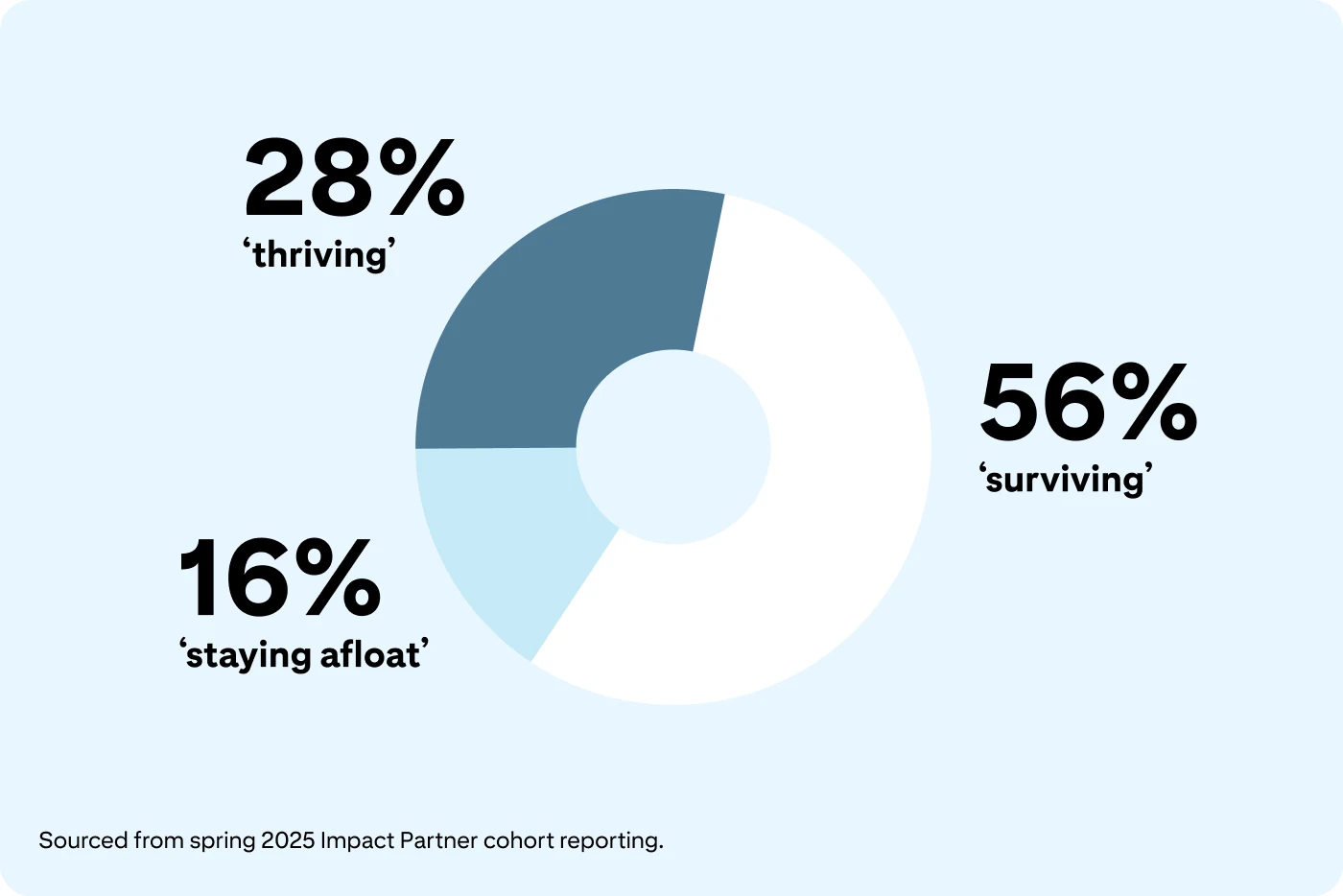
Partners cite insufficient funding, limited internal capacity, gaps in infrastructure and broader sector-wide uncertainty as persistent barriers to sustainability. Impact is growing, but the system is strained.
What enables impact: Trust, learning and long-term capacity
Pinterest is committed to building intentional, trust-based relationships that centre partners’ knowledge and expertise. This shows up through ongoing engagement and learning, including regular check-ins and initiatives such as Pinterest Impact Lab, which supports leadership and organisational capacity.
The majority of partners are on track or exceeding goals, with many reporting increased strategic clarity. Many have been able to unlock additional funding, signalling growing momentum and sustainability.
Impact Partners themselves say it best:
Partners bring deep, on-the-ground expertise that also informs Pinterest’s platform and policies. For example, Mental Health Foundation participates in a content escalation process to help identify and report harmful content, contributing to a safer and more supportive online environment.
Looking ahead: Advancing the movement for well-being in a digital age
At Pinterest, we’re committed to doing our part by continuing to partner, invest in and learn from our Impact Partners, while applying these insights to create a safer, more supportive experience for everyone.
As an investor, I spend a lot of time backing founders who use tech-enabled innovation to solve some of our world’s most vexing problems. I also believe companies should build generosity into their corporate DNA from the beginning. That is one reason I encourage portfolio companies to join the Pledge 1% and commit a portion of their equity to charitable causes. When a company creates long-term value, that value can and should also create long-term community impact.
For me, that philosophy shapes the kinds of leaders and organizations I look to invest in. It also extends to the community-based organizations I support. DignityMoves and their practical solution to end street homelessness is one of those organizations.
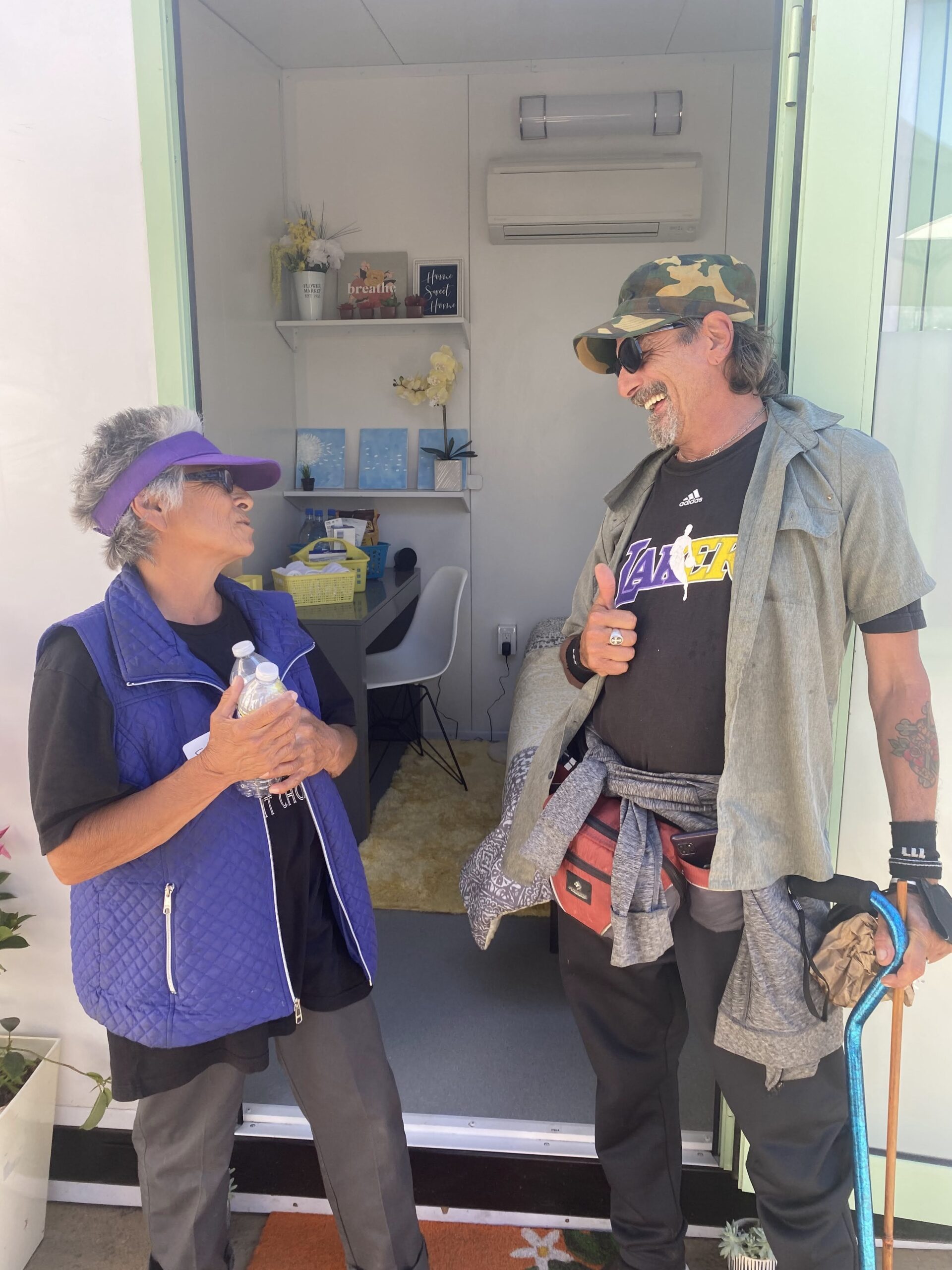
DignityMoves is tackling one of the most visible and urgent challenges facing communities across California: unsheltered homelessness. What drew me in is the simplicity of their interim supportive housing model, offering a pragmatic, cost-effective solution to a complex problem. And in just 5 short years since its founding, DignityMoves is demonstrating that street homelessness can be reduced and even ended when communities scale interim housing and commit to a clear, coordinated plan.
That plan starts with three steps
Step 1 is to count your unhoused residents and build enough interim supportive housing units to match that number, fast.
Step 2 is to ensure people move indoors by enforcing camping bans only once there’s truly somewhere safe for everyone to go.
Step 3 is to address the deeper housing-market pressures that push people into homelessness in the first place, especially rent burden and the shortage of homes affordable to working people.
That is where DignityMoves is helping change the equation.
The root causes of homelessness are complex, but one thing is clear: The longer someone remains living on the street, the more likely they’ll become trapped in a cycle of escalating health crises and high-cost interventions. That’s why speed in developing housing is not a luxury, it is a humanitarian necessity. The faster we create safe interim housing, the better chance we have of services reaching the homeless and beginning the recovery process.
DignityMoves partners with cities to turn vacant or underused land into dignified interim supportive housing quickly and cost-effectively. Using prefabricated, movable units and faster delivery methods, DignityMoves develops communities with private rooms, safe shared spaces, and service-enriched environments far faster than traditional development approaches. In doing so, it gives cities the practical housing capacity they need to bring people indoors now, while they continue the longer work of expanding permanent affordable housing.
What excites me most is that DignityMoves has already demonstrated real traction. I liken it to an early-stage company with a proven model and clear product-market fit. It’s seeing surging demand from cities and is operating in a policy environment increasingly aligned toward bringing people indoors quickly and humanely. And it has a Founder and CEO in Elizabeth Funk who combines urgency, strategic discipline, and a vision for scale.

I have watched DignityMoves grow from an early proof point into an organization with the potential to transform how cities respond to street homelessness. A big reason for that confidence is Elizabeth Funk. She brings a rare Silicon Valley sensibility to nonprofit leadership: bold in vision, rigorous execution, and a relentless focus on scale. Over the past two decades, Elizabeth has led impact investment funds and championed the use of market-based solutions to address social problems at a scale traditional philanthropy cannot reach alone. Earlier in her career, she helped build products at Microsoft and Yahoo!, experiences that shaped her belief that large, stubborn problems can be solved with the right combination of innovation, discipline, and partnerships. That is exactly how she leads DignityMoves today.
And that is why I am leaning in
For the Pledge 1% community interested in tackling street homelessness, the time to embrace step 1 is now. Supporting organizations like DignityMoves is one way to do exactly that.
DignityMoves has completed 12 projects totaling 898 beds and is on track to serve approximately 13,000 people over a decade through those communities. That alone is a meaningful impact. But what is even more compelling is what comes next.
With $3.7 million in capacity funding, DignityMoves projects it can scale to 6,450 beds by 2029, serving close to 100,000 people over a decade — transforming more than five times as many lives. That is the kind of leverage that should get the attention of any business leader, investor, or philanthropist interested in scalable social impact.
DignityMoves has a proven model, measurable impact, and a credible path to scale. The time to support this work is now.

If this resonated with you, join me in supporting DignityMoves’ Capacity to Scale Campaign. Please reach out to Elizabeth Funk at Elizabeth@dignitymoves.org for more information on how you can support this effort to help end street homelessness.
Mercy Vettese
BDR Team Lead, Americas, Contentstack
📍Austin, United States
What qualities do you think leaders need to have in today’s world?
I think that leaders in todayʼs world must be resilient and empathetic above all. As an industry and a society, we have made a progressive shift past grit and grind, and see the importance of a well rounded life. It is important to push your team forward and help them thrive in discomfort, while understanding that at the end of the day they are human beings with lives, loves, and interests. Resilience in fast-paced, ever changing environments is also incredibly important- to endure for not only yourself, but your team.
If you had to describe your leadership style in one word, what would it be and why?
I would describe my leadership style as adaptive, because no two days in my role are the same. In the world of outbound, things change all the time and we must be open to new ideas, solutions, and challenges. Being adaptive for my team helps me stay fluid and keep up with shifts in the industry.
How does your company’s Pledge 1% program help shape the kind of workplace culture you believe in?
For me, being in leadership is all about paying it forward and giving back to the community that helped me get to where I am today. Being part of a company and workplace who echoes this mission in so many ways is so comforting and exciting! It tells the story that we are part of something bigger than ourselves.
This year marks the 7th year of Pledge 1%’s #WomenWhoLead campaign. How can companies champion and support female leadership?
Companies can champion and support female leadership by listening to women- their ideas, their stories, their struggles. Female leaders are powerful and inspiring and deserve our support.
If you could write a note to your younger self on her first day of work, what would it say?
Whew! I would say, buckle up, girl. You are going to experience tough days, but you are also going to learn more than you thought you were capable of. The tough times will be worth it, and I am so proud of you for it all. Be strong, bold, and don’t back down. You are here for a reason, and your voice matters.
Karina Henderson
Founder, Jasper Strategy
📍Milwaukee, WI, USA
What qualities do you think leaders need to have in today’s world?
Leaders today need to focus on creating trust and confidence in an atmosphere of transparency and clarity. I teach Public Relations Principles at Marquette University, and the first two principles are “tell the truth” and “prove it with action.” It sounds so simple, but we discuss case study after case study of leaders who lose sight of these two fundamental things.
As a leader, it’s imperative to understand that capturing trends or changing your vision isn’t necessarily what inspires people. When people know they are trusted, valued, and listened to, they’re more likely to bring their best every day.
If you had to describe your leadership style in one word, what would it be and why?
Human. I think people should be the top priority and the bottom line. Many leaders feel pressured to pass along their own experiences without being truly open to and moved by the experiences of others. It’s hard work – it’s much easier to narrow what you believe to be your sphere of influence and accountability than it is to center human impact.
How does your company’s Pledge 1% program help shape the kind of workplace culture you believe in?
When I decided to lean into working independently full-time, I wanted to build in ways to keep myself accountable to prioritizing a broader impact. I joined Pledge 1% before even launching my company as a full-time consultancy, making that commitment as a part of building my business model. I believe in a workplace culture that recognizes the power of businesses to shape the world, not just create profits. Building this into my workplace culture shows contrast between my organization and cultures that value burnout, lose focus, and constantly move the goalposts. This recognizes that I’m building something that lasts – and looking to sustain each person and the world we live in.
This year marks the 7th year of Pledge 1%’s #WomenWhoLead campaign. How can companies champion and support female leadership?
I think companies need to enact guiding principles that help check their biases and build shared accountability. We all carry around archetypes of what we think leaders should be, but few companies spend time building a sense of how they want leaders to show up. This particularly helps women who don’t match outdated archetypes or feel excluded from the still-very-much-existing “old boys’ club.” These shared principles can help take the gamesmanship and the guesswork out of leadership – making leaders better and demystifying the path to leadership. When everyone – from the top leaders to the newest intern – understands what leadership looks like in their company, we can both hold each other accountable and reinforce those traits every day.
If you could write a note to your younger self on her first day of work, what would it say?
Trust what matters. You don’t have to be anyone other than you, but you will grow if you let yourself be shaped by understanding others. Ask more questions than you think you need to – it’s a sign of confidence, not weakness, and it will get you unexpectedly valuable insights.
Carley Scott
Founder, CEO and CTO, Space CoLAB
📍Geelong, Australia
What qualities do you think leaders need to have in today’s world?
A willingness to learn, an enthusiasm to help others be their best, and a persistence and drive to keep finding a way forward in a fast evolving world.
If you had to describe your leadership style in one word, what would it be and why?
Persistent. Every meaningful achievement I’ve approached in my career, it has required a persistence to navigate through changes, challenges and find a way forward to eventually get to the outcome that was always possible!
How does your company’s Pledge 1% program help shape the kind of workplace culture you believe in?
From the regular conversations about being part of the program, to consciously valuing the in kind work we enjoy doing to contribute to our community and younger professionals, being part of the Pledge 1% program helps to show that doing good things for the world is a core business value, not a fringe consideration that might or might not make the cut.
This year marks the 7th year of Pledge 1%’s #WomenWhoLead campaign. How can companies champion and support female leadership?
Highlighting women in leadership roles, their thoughts and their path into their role, are great ways to help celebrate women doing well and encourage other women to continue to strive for leadership roles.
If you could write a note to your younger self on her first day of work, what would it say?
Doing that work when no one else is looking – will definitely pay off, keep it up.

For all the complexity inherent in his leadership role at ADAPTOVATE Inc., Ghaleb El Masri easily zeroes in on his two essential goals. “It’s crucial to secure the right workplace culture for the high-quality team members we worked so hard to find,” says the global consultancy’s managing director, Canada.
“It’s both sides of the coin for us in terms of creating opportunity and being able to fulfill those opportunities for our people. They’re our greatest asset and, frankly, our only asset.”
Toronto-based ADAPTOVATE’s welcoming workplace is supported by employee benefits frequently found among top employers, El Masri notes, including tuition reimbursement, a minimum of four weeks of paid vacation, and flexible work hours and locations. And by some far less common perks as well.
“There’s $5,000 that can be spent as a flex budget for personal or wellness costs like a gym membership or for new experiences like going to another ADAPTOVATE office, whether in L.A. or Sydney or elsewhere,” says El Masri, “and we’re committed to Pledge 1%.” Under that global program, 19,000 member companies donate one per cent of staff time, product, profit or equity for social impact.
Pledge 1% is a core aspect of ADAPTOVATE’s deep involvement in community engagement. “In part, that reflects the company’s values, but we find it’s also very important for the type of people we’re looking to have join us,” El Masri says. “And we’d certainly hear from our people if they didn’t feel the company was aligned to what they care about. We have heard this in the past, with objections about certain companies or environmental practices — and it does factor into our business decisions.”
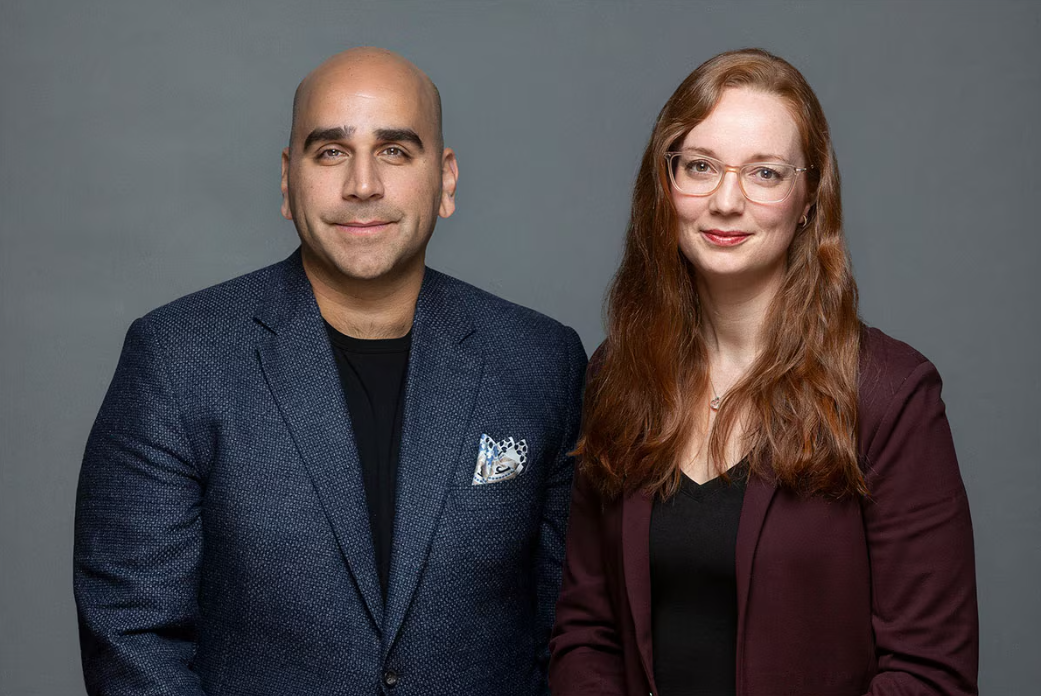
It’s an equally strong part of ADAPTOVATE’s appeal for management consultant Janelle Calvert, who works remotely for the most part from Bracebridge in Ontario’s cottage country, two hours north of Toronto. “I have previously volunteered here with Muskoka Victim Services, a non-profit, community-based organization that provides 24/7 emergency support and practical assistance to victims of crime and tragic circumstances,” says Calvert.
“Volunteer-run charities don’t always have access to training budgets, so ADAPTOVATE is volunteering the time to facilitate a one-day event to provide leadership training and an opportunity to network for a number of community organizations,” she says. “So, I suggested this to Ghaleb, and he thought it was a great idea.”
The response was no surprise to Calvert. “This is a pretty special place. We’re small and we’re all involved with everything involving our clients — from business development to marketing initiatives to coaching — while learning from each other,” she says. “The personalities we have within the company are all geared toward this mindset and this style of working.”
It’s all part of practising what you preach when you help clients adjust to a changing world, according to El Masri. “We are always holding up a mirror and asking, ‘Are we the cobbler’s child who has no shoes?’” he says. “We decided recently we really had to grow in our technical capabilities, and in 2025 everyone in the firm had to learn some basic AI programming and achieve Microsoft Azure certification.”
“I’ve always said this place is a unicorn,” says Calvert. “Its entire premise is to help people work together better, and that means both clients and employees.”
Yesha Sharad Brahmbhatt
Associate Director – People India, Contentstack
📍Mumbai, India
What qualities do you think leaders need to have in today’s world?
Today’s leaders need a balance of clarity, courage, and empathy. Clarity to set direction and expectations in an increasingly complex world. Courage to make difficult decisions and have honest conversations when things are not working. And empathy to understand that people bring their whole selves to work.
Leadership today is not about having all the answers. It is about creating an environment where people feel safe to ask questions, challenge ideas, and grow. The leaders who will make the greatest impact are those who can combine strong business thinking with genuine care for people.
If you had to describe your leadership style in one word, what would it be and why?
Authentic. I believe leadership should be steady and authentic rather than performative. I try to stay grounded in fairness, transparency, and listening to people. When teams feel that decisions are thoughtful and consistent, it builds trust. And trust is the foundation of any strong culture.
How does your company’s Pledge 1% program help shape the kind of workplace culture you believe in?
Programs like Pledge 1% reinforce the idea that companies are not just economic entities but members of a broader community. When organizations commit time, resources, or expertise to social causes, it reminds employees that their work can contribute to something larger than quarterly results. It creates pride, purpose, and a shared sense of responsibility. Most importantly, it shows that our company values are truly lived and not just words on paper. For me, culture is strongest when people see that their workplace cares about both performance and impact.
This year marks the 7th year of Pledge 1%’s #WomenWhoLead campaign. How can companies champion and support female leadership?
Supporting female leadership goes beyond representation. It requires intentional action. Companies need to create environments where women have access to meaningful opportunities, visible leadership roles, and sponsors who advocate for their growth. It is also important to normalize different leadership styles and ensure that performance is evaluated fairly.
Most importantly, organizations must build cultures where women feel confident speaking up, taking risks, and shaping decisions. When women lead authentically, organizations benefit from broader perspectives and stronger teams.
If you could write a note to your younger self on her first day of work, what would it say?
Trust yourself earlier. Your voice and your perspective matter more than you realize. And be kind to yourself along the way. Careers are long journeys, and growth rarely happens without a few uncertain steps. Also, take the time to build genuine relationships with people along the way. Careers are shaped not just by the work we do, but by the trust and respect we build with others.
Qiana Daniels
Co-founder and Co-Executive Director, Kindred Bakery BK
📍New York, United States
What qualities do you think leaders need to have in today’s world?
Leaders today need empathy, collaboration, and a deep commitment to creating opportunity for others. Throughout my career as an educator in the New York City public school system, I have focused on ensuring that students with disabilities and learning differences have access to meaningful education and the opportunity to thrive.
I personally interview every family before enrollment, calls parents with updates, celebrates student milestones, and creates an atmosphere where every participant feels seen and valued. Leadership, to me, is about listening, building trust, and creating spaces where people feel seen and valued. When people feel supported, they gain the confidence to grow and contribute in ways they may not have imagined.
If you had to describe your leadership style in one word, what would it be and why?
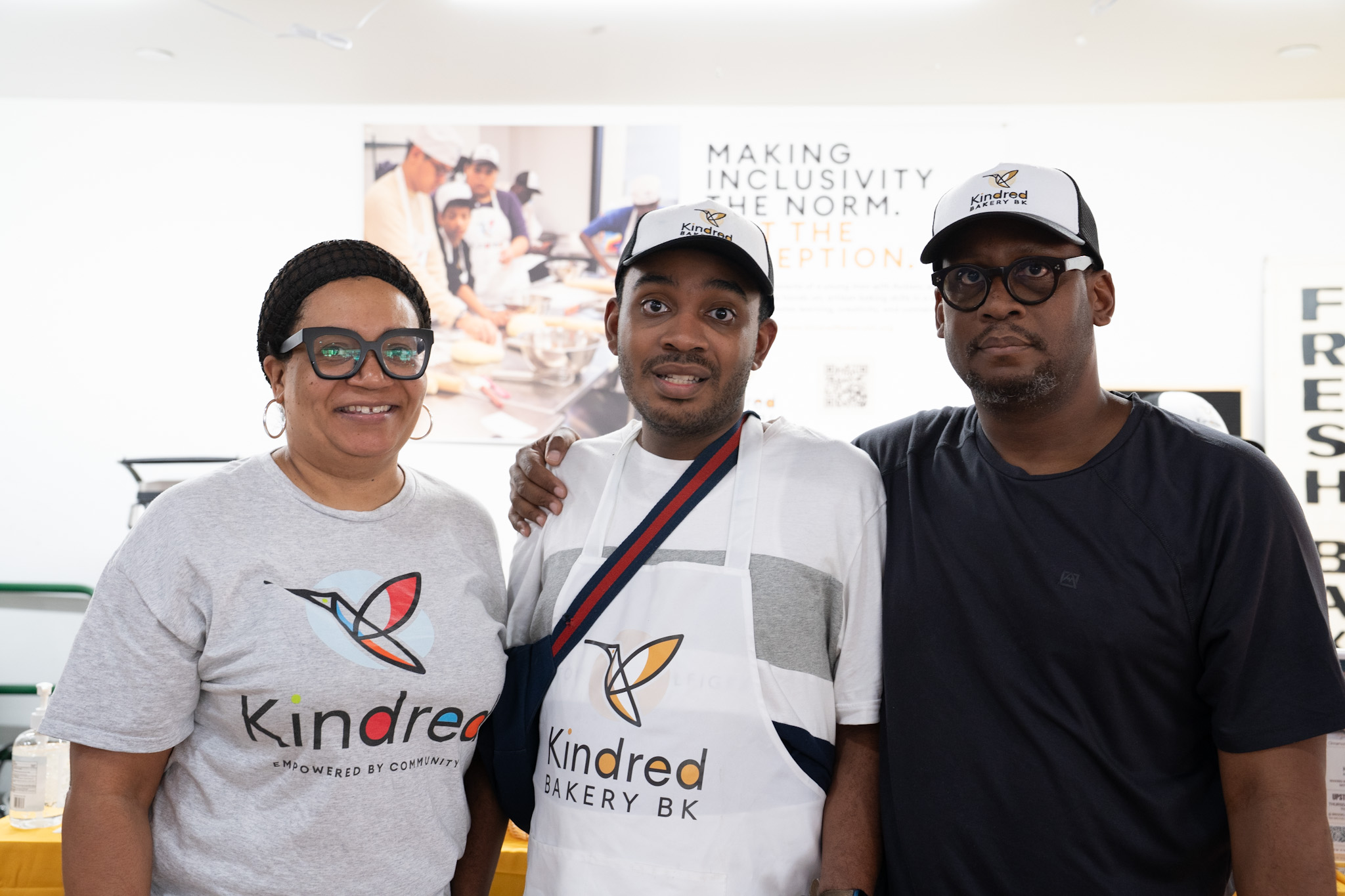
Nurturing. As a lifelong educator and Co-Founder and Co-Executive Director of Kindred Bakery BK, my leadership style is rooted in creating environments where people feel supported as they learn and grow. At Kindred, we work with neurodiverse young adults who are too often excluded from traditional workforce programs. Through our curriculum, which blends artisan baking, education, and employment training, we focus on helping participants build skills, confidence, and pride in their work. My goal is to create an atmosphere where every participant feels seen, valued, and capable of thriving.
How does your company’s Pledge 1% program help shape the kind of workplace culture you believe in?
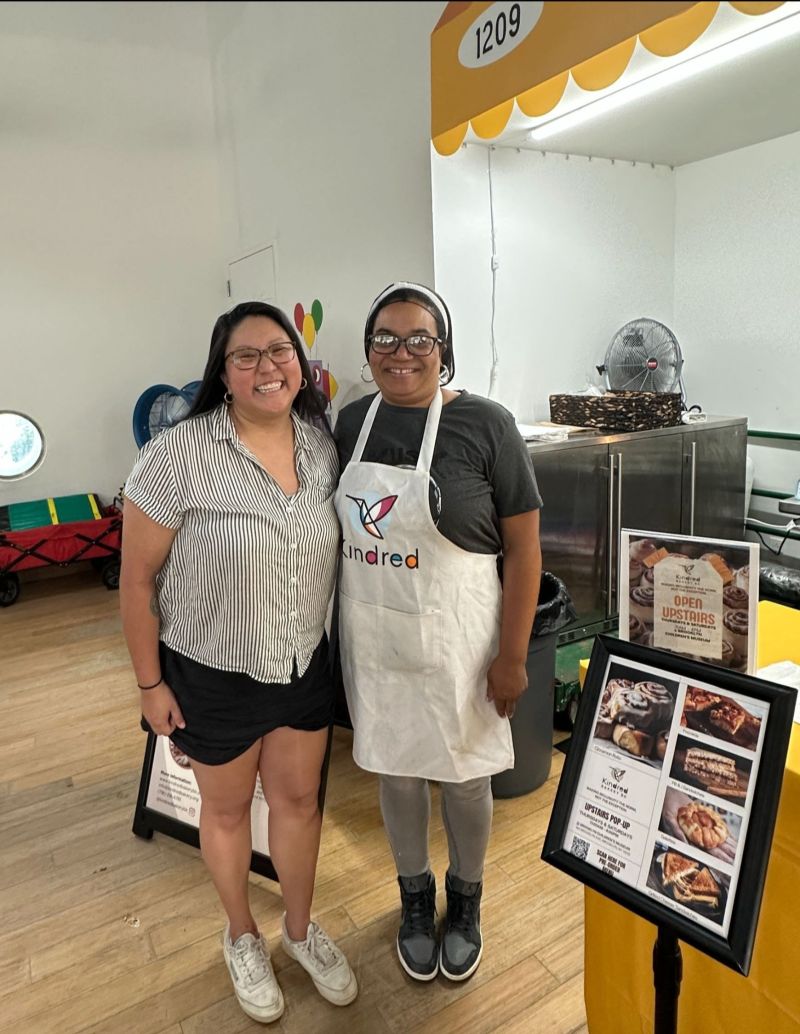
Pledge 1% reflects the kind of culture we strive to build at Kindred every day. As Co-Founder and Co-Executive Director of Kindred Bakery BK, I designed a curriculum that blends artisan baking, education, and employment training for young people who are often excluded from traditional workforce programs.
My background in special education and literacy, my experience as a mother, and my lived understanding of inequity shape every aspect of Kindred’s teaching and mentorship. Our work is rooted in community and mentorship, and we believe that businesses can play a meaningful role in creating opportunity. Programs like Pledge 1% reinforce the importance of generosity, collaboration, and investing in the communities we serve.
This year marks the 7th year of Pledge 1%’s #WomenWhoLead campaign. How can companies champion and support female leadership?
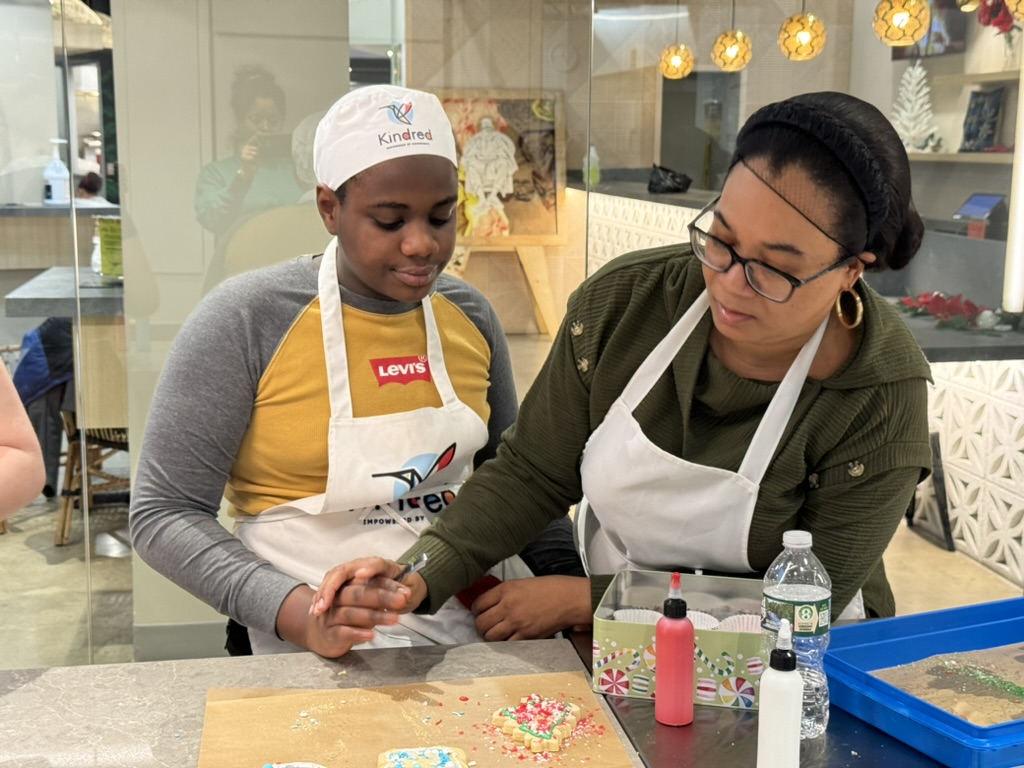
Companies can champion female leadership by creating environments where women’s experiences and perspectives are valued and trusted. As the mother of a young adult with autism, I transformed my personal journey into a broader mission of building a space where young people with disabilities can gain confidence, skill, and belonging through meaningful work.
At Kindred, that commitment shapes how we lead and how we care for our community. Families who participate in our program often describe Kindred as “a family,” which reflects the culture of care we work to cultivate. When companies support women in bringing their full experiences into leadership, they create stronger and more inclusive communities.
If you could write a note to your younger self on her first day of work, what would it say?
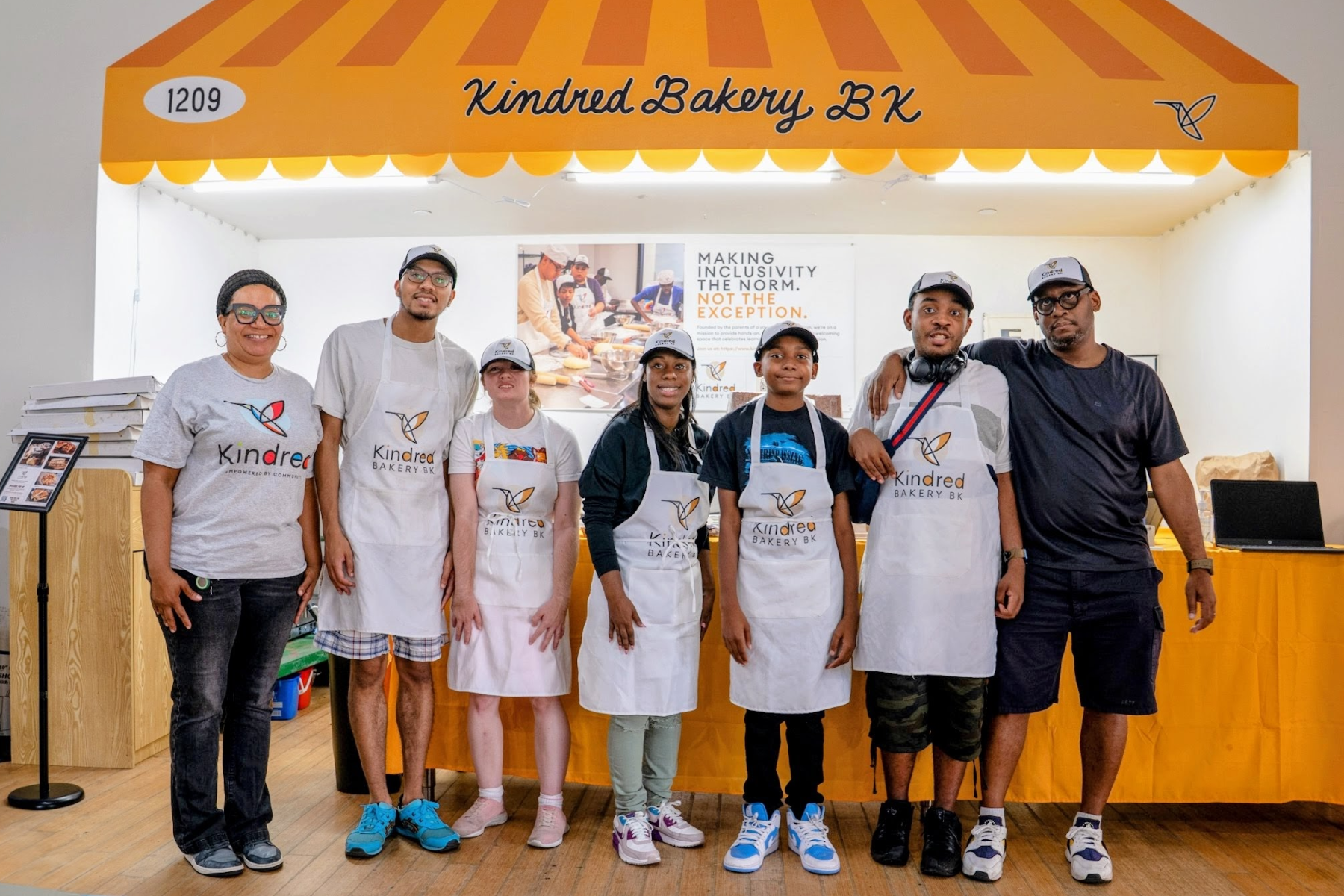
Remember where you come from and let it shape how you show up for others. Growing up in public housing in Queens gave you a firsthand understanding of the barriers many families face when navigating systems that were not built with them in mind. One day, your journey as a mother, especially raising a neurodiverse son, will deepen that understanding even more.
Stay grounded in that purpose and trust the path ahead. The work you do will grow into a community where young people and their families feel seen, supported, and experience a true sense of belonging.