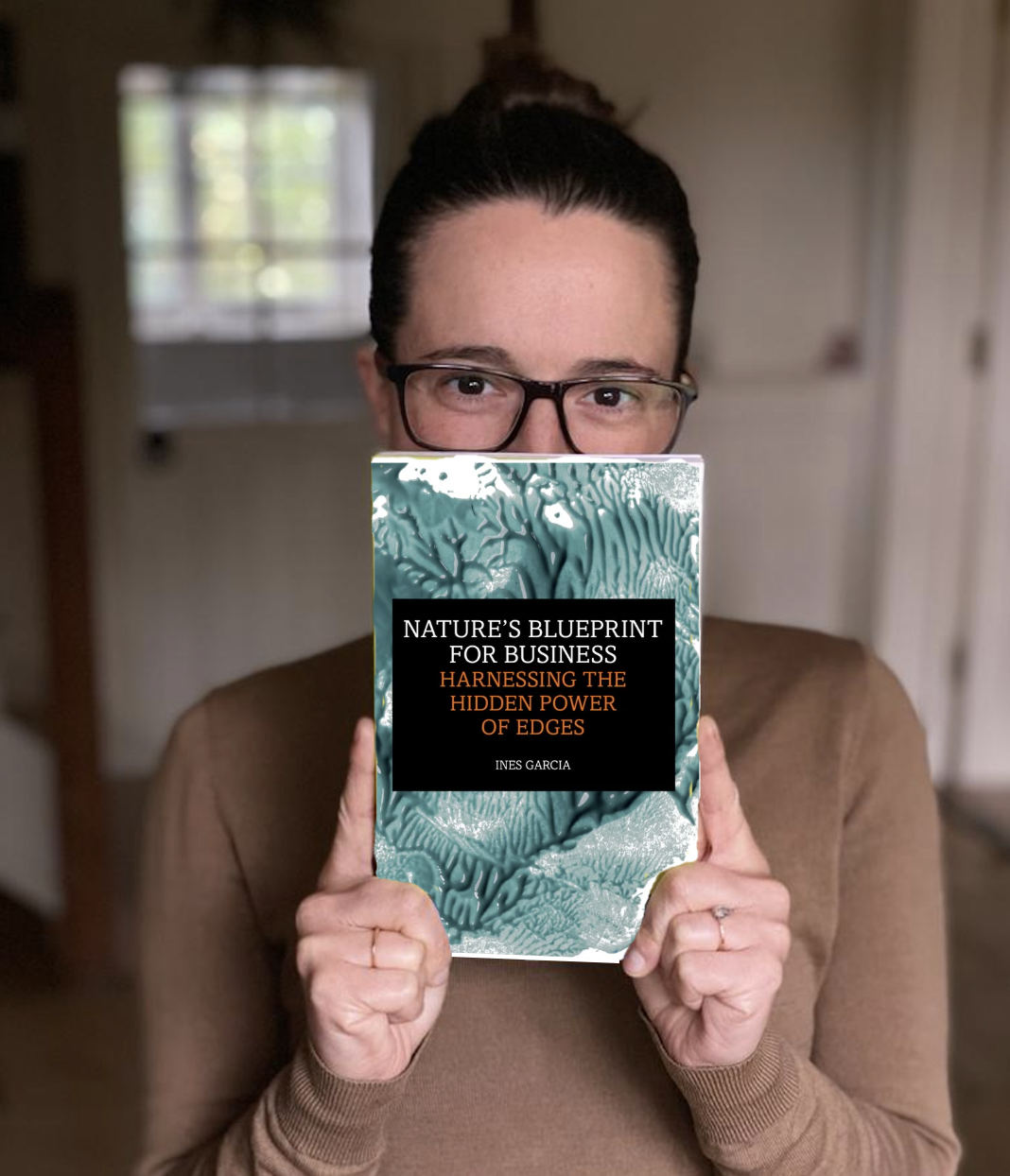
Aisya Aziz
Chief Technology Officer, LiquiDonate
📍Fremont, United States
What qualities do you think leaders need to have in today’s world?
With all the shifts happening in today’s world, leaders need clarity in chaos and resilience without ego. In just a few years, we’ve seen major political shifts and rapid AI evolution. The only real constant is change. No matter how experienced or skilled we are, there will be moments when our thinking or approaches become outdated – and that’s okay. Strong leaders acknowledge it, adapt quickly, and focus on what truly matters. More than that, we create stability and confidence for our teams, helping others navigate uncertainty with purpose. Our role isn’t just to keep up – it’s to continuously redefine priorities, guide our teams forward, and turn change into opportunity.
If you had to describe your leadership style in one word, what would it be and why?
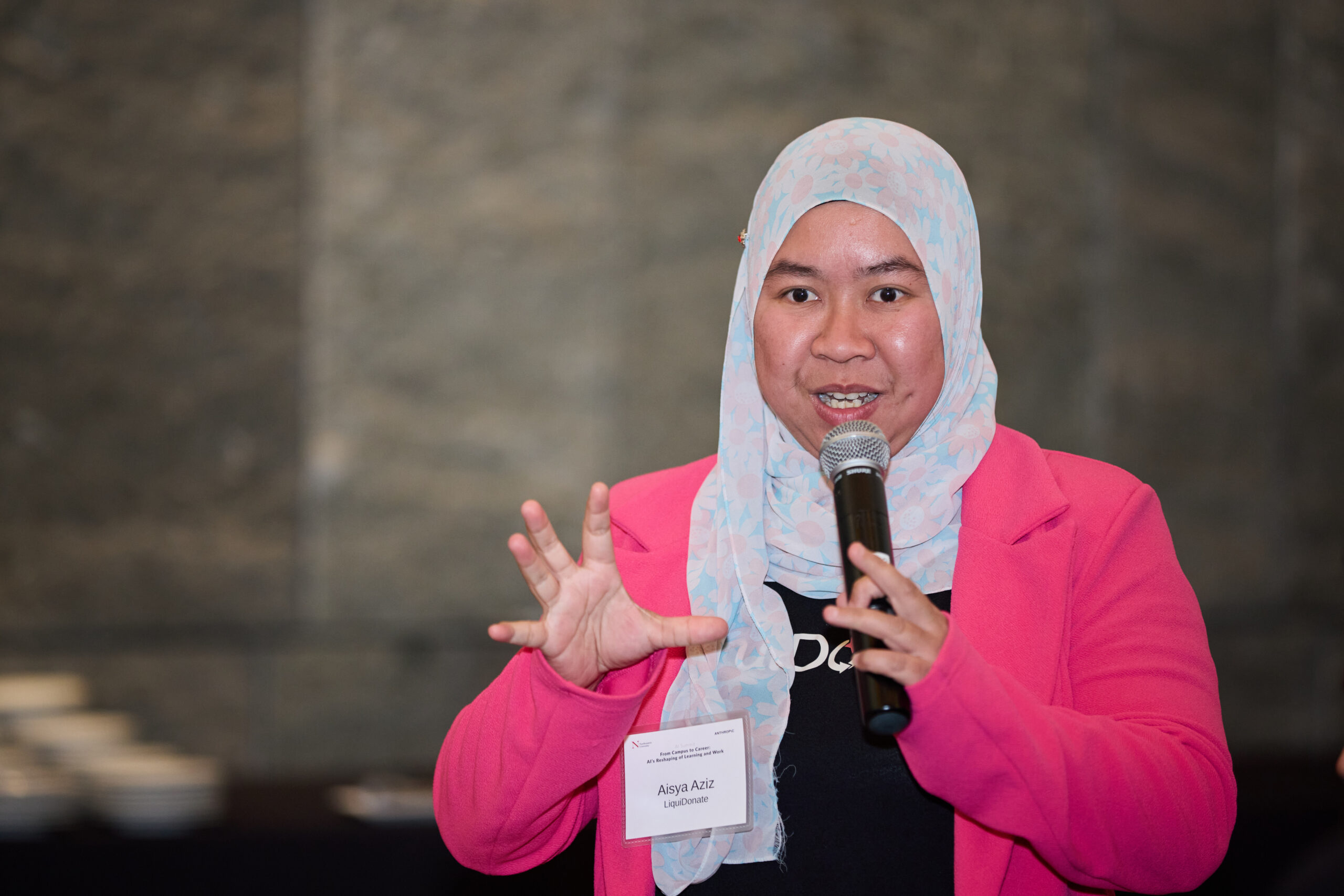
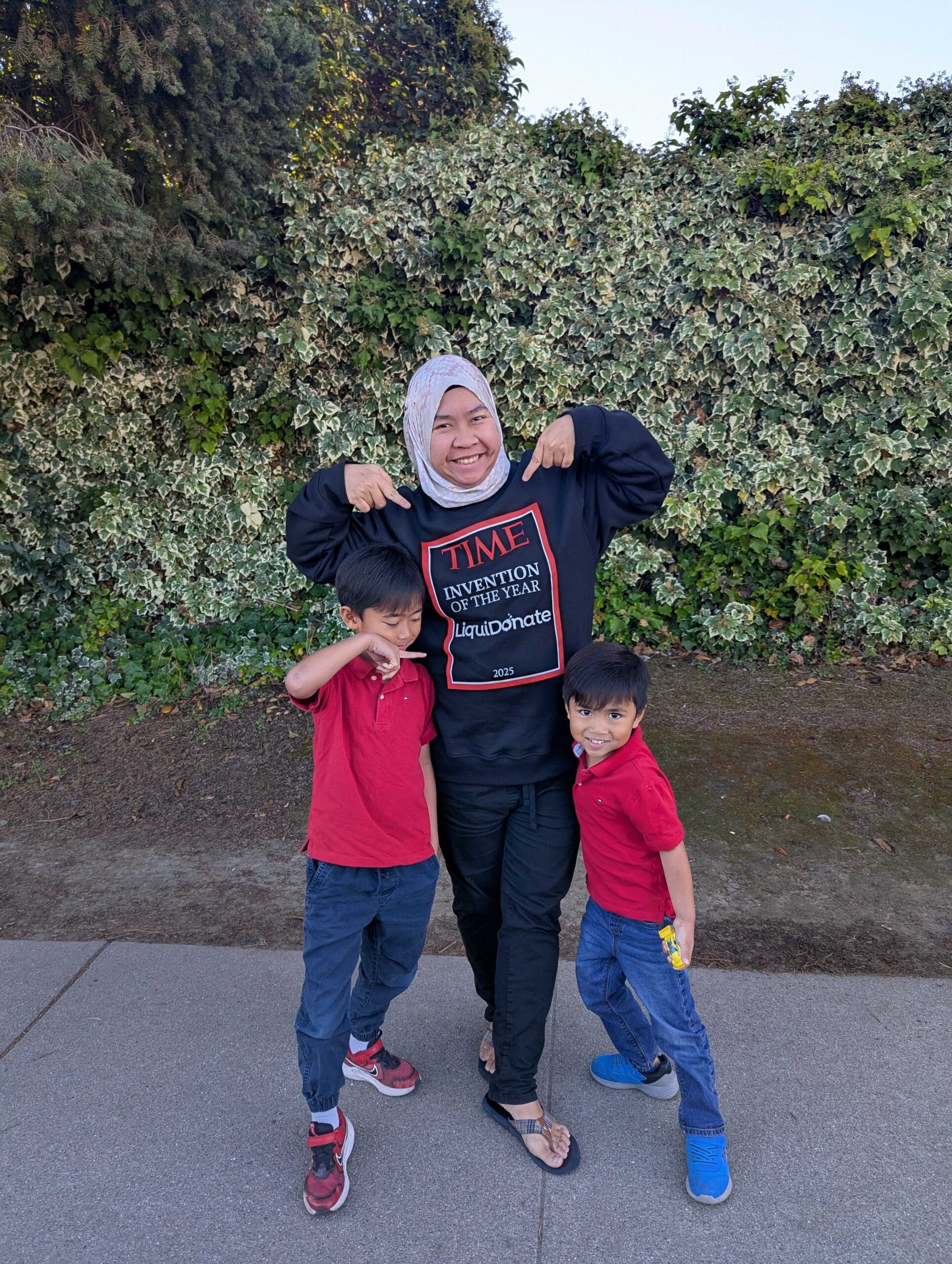
I’d say purposeful. I lead with purpose, build with purpose, and approach every challenge with intention. I focus on clarity and impact, helping my team see what truly matters and guiding decisions that drive meaningful results. I was drawn to LiquiDonate because the mission itself is purposeful – turning excess inventory into social impact. That same sense of purpose shapes how I lead every day. Our work even caught Time Magazine’s attention as one of the Best Inventions of 2025 for sustainable retail logistics software – which is a great reminder that meaningful work can also make waves!
How does your company’s Pledge 1% program help shape the kind of workplace culture you believe in?
At LiquiDonate, the Pledge 1% program isn’t just a perk – it’s embedded in how we work (and in our work!). We celebrate volunteering in our #volunteer Slack channel, which is a great nudge to step away from the keyboard and give back in person. We also offer paid time to volunteer and intentionally block time for group volunteering during on-sites. Giving back isn’t just encouraged here – it’s who we are.
This year marks the 7th year of Pledge 1%’s #WomenWhoLead campaign. How can companies champion and support female leadership?
If anything, companies just need to be equitable. Women are more than capable – we don’t need special treatment. What we need is equal access to opportunity, equal pay, equal trust, and equal standards. Championing female leadership isn’t about lowering the bar or creating exceptions. It’s about removing bias, ensuring representation in decision-making rooms, and creating environments where women can lead fully and authentically.
If you could write a note to your younger self on her first day of work, what would it say?
Dive in and give your all – that’s part of who you are – but also make space to explore, experiment, and try new things outside of work. Take risks, pursue interests, and embrace experiences that challenge you in different ways. The perspectives and skills you gain beyond the job will make you more creative, resilient, and ultimately a stronger, more thoughtful leader.
At Compass Furnished Apartments, our commitment to Pledge 1% is rooted in a simple belief: it’s more than housing, it’s about people, community, and sustainability.
Through our Compass Cares program, we dedicate 1% of our product and profit to supporting patients and families traveling for medical care, in addition to meaningful community and sustainability initiatives. These stays become more than just accommodations—they provide a sense of stability during uncertain times, a place to rest after long hospital days, and a space where families can feel together, supported, and at home when it matters most.
In partnership with organizations like Hospitality Homes, we provide both discounted and, when possible, fully complimentary stays—helping ease the financial and emotional weight of being far from home when it matters most.
In 2025 alone, this commitment resulted in 170 Compass Cares stays, including 1,915 discounted nights and 69 complimentary nights, delivering more than $25,000 in savings to families navigating medical challenges.
Beyond housing, we extend our impact through revenue-based giving and employee-led initiatives that reflect what matters most to our team. We’ve donated over $6,000 to nonprofits chosen by our employees and planted over 50 trees, turning meaningful moments into meaningful impact. From these contributions to sustainability effort, our commitment to care extends far beyond every stay.
For us, this work goes beyond giving back. It’s about driving meaningful impact—supporting patients and families, investing in our communities, and advancing a more sustainable future.
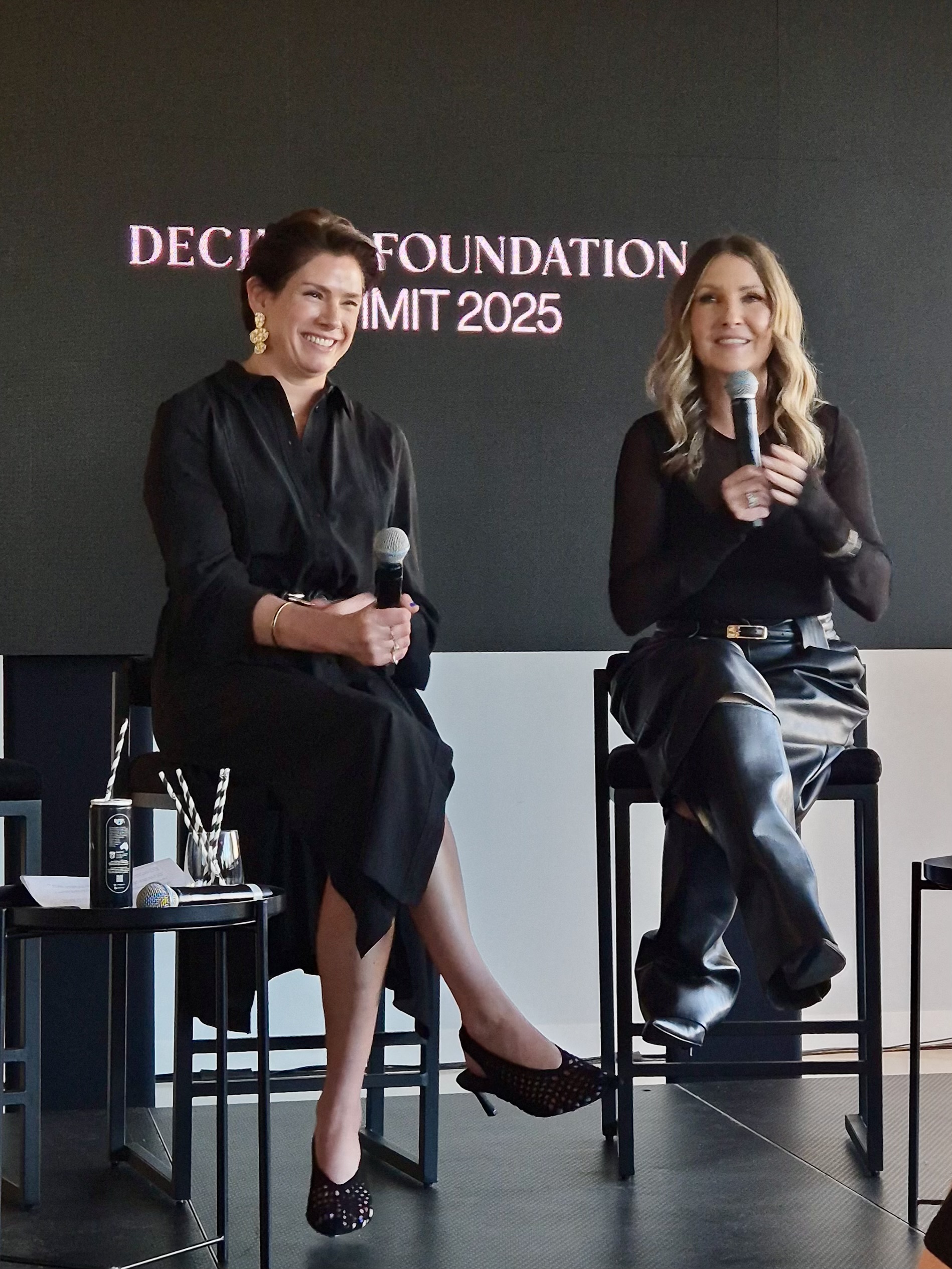
Gill Whelan
General Manager, DECJUBA Foundation
📍Melbourne, Australia
What qualities do you think leaders need to have in today’s world?
Leaders today need courage, clarity and compassion – it can be tough making bold calls but I’ve learned that when you back yourself with confidence you win the respect of others. In a fast-paced environment you need clarity to stay anchored in purpose, and the compassion to genuinely listen, care and adapt.
If you had to describe your leadership style in one word, what would it be and why?
My word would be tenacious. For me, that means I don’t scare easily, I stay on the field when things get hard, and I’ll keep pushing for what I believe is right long even if it means playing the long game.
How does your company’s Pledge 1% program help shape the kind of workplace culture you believe in?
Pledge 1% hard-wires generosity into how we do business, so giving back isn’t an add‑on, it’s part of our identity. It tells our team that impact is everyone’s job but also that we can all contribute – every sale, every role, becomes impactful and can help create real, lasting change.
This year marks the 7th year of Pledge 1%’s #WomenWhoLead campaign. How can companies champion and support female leadership?
Companies can champion female leadership by backing women with real opportunities: stretch roles, support, endorsement, trust and mentoring. It also means designing flexible, inclusive workplaces and loudly celebrating female leaders so the next generation can see what’s possible.
If you could write a note to your younger self on her first day of work, what would it say?
You’re allowed to take up space – trust your gut and don’t wait to be “ready” before you say yes. The moments that scare you most will be the ones that shape you, so lean into them and back yourself. And you’re not too much!
Renee Holland
VP, People, Contentstack
📍Denver, USA
What qualities do you think leaders need to have in today’s world?
Leaders today need clarity, courage, and deep empathy, and for women leaders, those aren’t “nice to haves,” they’re survival skills. We are often navigating higher scrutiny and more invisible labor, so being grounded in our values and willing to make hard, transparent decisions really matters.
I also think women leaders, in particular, need strong boundaries and self‑trust: the ability to say “no,” to push back on unrealistic expectations, and to advocate for themselves with the same energy they use to advocate for their teams. Pair that with a learning mindset, and you get leaders who can both adapt quickly and bring others along.
If you had to describe your leadership style in one word, what would it be and why?
Authentic. As a female leader, I’ve learned that the most powerful thing I can do is show up as my real, whole self, and create space for others to do the same. Authenticity means my words, actions, and decisions are aligned with my values, even when it’s uncomfortable or unpopular.
For me, being authentic looks like naming the hard things instead of dancing around them, sharing the “why” behind decisions, and admitting when I don’t have it all figured out. It’s bringing both head and heart into the room: being transparent about trade‑offs, clear about expectations, and human about how those decisions land on people. That combination builds deep trust. When leaders are authentic, people feel safe to be honest, to disagree, to bring forward ideas and concerns early. It creates a culture where we don’t have to perform a version of ourselves at work, we can be who we are, grow faster, and do better work together.
How does your company’s Pledge 1% program help shape the kind of workplace culture you believe in?
Pledge 1% directly supports the kind of culture I want to be part of : one where care, impact, and business outcomes are all part of the same conversation. It reinforces that using our product, time, and resources to support communities isn’t an afterthought, it’s embedded in how we define success.
For women especially, who are often expected to carry the “emotional glue” of an organization, it’s powerful to have a formal structure that recognizes and channels that desire to contribute into real, resourced programs. It creates shared purpose, cross‑team connection, and a sense that our work can meaningfully improve lives beyond our own walls.
This year marks the 7th year of Pledge 1%’s #WomenWhoLead campaign. How can companies champion and support female leadership?
First, companies have to do the unglamorous systems work: clear promotion criteria, equitable pay ranges, consistent calibration, and regular audits for gender and intersectional equity. If the system is biased, no amount of “confidence training” for women will fix it. Second, move from mentorship to sponsorship. Women need leaders who will say their name in the rooms they’re not in yet, put them on high‑visibility projects, and back them when they take smart risks.
If you could write a note to your younger self on her first day of work, what would it say?
You’re not “lucky to be here”, you earned your seat, and you’re allowed to take up space. Speak up earlier, even if your voice shakes a little. The questions you’re afraid to ask are usually the ones everyone else is wondering, too. Don’t shrink your ideas to make other people comfortable. The way you see people, systems, and culture is a real strategic skill, not a soft side note. What you do matters to people and to the businesses – never accept “You’re not a revenue-producing department” as a rationale for minimizing the impact and difference your expertise provides. Protect your energy, find other women who will tell you the truth and cheer for you at the same time.
Jacqueline Purcell
CFO, Rokt
📍New York, USA
What qualities do you think leaders need to have in today’s world?
Leaders need to be curious, courageous and humble.
If you had to describe your leadership style in one word, what would it be and why?
Grounded. I try to lead with perspective and calm judgment, especially when things are moving quickly or stakes are high.
How does your company’s Pledge 1% program help shape the kind of workplace culture you believe in?
Being a force for good is one of Rokt’s core values, and our Pledge 1% commitment brings that value to life. It helps shape a culture where giving back is embedded in how we think about success and the role we play in the communities in which we live and work.
This year marks the 7th year of Pledge 1%’s #WomenWhoLead campaign. How can companies champion and support female leadership?
Companies champion female leadership by creating environments where women have real opportunities to grow, lead, and take risks. That means investing in mentorship and sponsorship, ensuring equitable access to opportunities, and building cultures where diverse perspectives are genuinely valued and supported.
If you could write a note to your younger self on her first day of work, what would it say?
Don’t hold back. Be confident in your voice, take the opportunities in front of you, and remember that growth often comes from stepping forward before you feel completely ready.
Kim Cooper
Founding Operating Partner, U&I Ventures
📍San Francisco, U.S.A.
What qualities do you think leaders need to have in today’s world?
Empathy, courage, and accountability.
If you had to describe your leadership style in one word, what would it be and why?
Empathic.
I lead by listening first. People do their best work when they feel seen and understood. Empathy builds trust — and trust is what drives strong, lasting teams and organizations.
How does your company’s Pledge 1% program help shape the kind of workplace culture you believe in?
Pledge 1% reflects our commitment to global citizenship. We believe companies have a responsibility beyond profit — to contribute to community, advance equity, and expand opportunity at scale. It helps embed those values into how we show up every day.
This year marks the 7th year of Pledge 1%’s #WomenWhoLead campaign. How can companies champion and support female leadership?
By allocating capital equitably. If we want more women in leadership, we need to fund them, as founders, emerging managers, and decision-makers. Capital doesn’t just support companies; it changes trajectories.
If you could write a note to your younger self on her first day of work, what would it say?
Your strengths matter, even if they’re hard to quantify. Be yourself — trust will follow.
Heather Black
CEO, Supermums
📍London
What qualities do you think leaders need to have in today’s world?
Resilience, Flexibility, Ethics, Innovative
If you had to describe your leadership style in one word, what would it be and why?
Dynamic.
How does your company’s Pledge 1% program help shape the kind of workplace culture you believe in?
We support our trainees to give back and volunteer their time to support non-profits with their technology systems to maximise fundraising and impact. We believe giving helps people to gain new experience and skills.
This year marks the 7th year of Pledge 1%’s #WomenWhoLead campaign. How can companies champion and support female leadership?
Introducing new approaches and practices to support the diversity and selection of applicants within the recruitment process will increase the number of women in tech related roles at all levels.
If you could write a note to your younger self on her first day of work, what would it say?
Everyday is a school day. If you don’t know something, go and find out.
Jenna Nicole
Marketing Director, AbsoluteLabs
📍Newbury, UK
What qualities do you think leaders need to have in today’s world?
I believe effective leadership is about navigating challenges while spotting opportunities others might miss, all while staying anchored to a clear vision of the end goal. Leadership is never a one-person effort. The strongest leaders harness the strengths around them, bring people with them on the journey, and recognise that the most meaningful success is shared success.
Working in marketing, where the landscape evolves constantly, I’ve seen how important it is to balance strategic thinking with emotional intelligence. Stay humble, build trust, communicate with clarity and empower diverse teams to challenge ideas and drive innovation. Modern leadership is less about hierarchy and control, and more about agility, innovative thinking, and self-belief.
If you had to describe your leadership style in one word, what would it be and why?
Collaborative.
How does your company’s Pledge 1% program help shape the kind of workplace culture you believe in?
We have a great culture already, but as we grow, we need to foster that same spirit of collaboration and purpose while continuing to give back to the communities and organisations we’re part of.
This year marks the 7th year of Pledge 1%’s #WomenWhoLead campaign. How can companies champion and support female leadership?
Companies can champion and support female leadership by creating environments where women are encouraged to step forward, lead, and shape decision-making at every level. That means building clear pathways for progression, supporting mentorship and sponsorship, and fostering cultures where diverse perspectives are genuinely valued and heard.
Research shows that companies with gender-diverse executive teams are around 25% more likely to outperform financially, demonstrating that supporting female leadership isn’t just the right thing to do, it’s also good for business.
If you could write a note to your younger self on her first day of work, what would it say?
Believe in yourself more than you think you should. Don’t doubt your place in the room, you’ve earned it. Ask questions without worrying about being an inconvenience; curiosity is how you learn and grow. Back your ideas, speak up with confidence, and remember that strength often comes from trusting your own instincts.
Ines Garcia
Agile & Climate Coach, Get Agile
📍Devon, United Kingdom
What qualities do you think leaders need to have in today’s world?
The leaders we need today are those who can operate at the edges: where disciplines intersect, where the unexpected happens, where innovation truly lives. Nature has shown us for 3.8 billion years that the most resilient and productive systems thrive not at their centres but at their boundaries. Leaders must cultivate that same quality: the ability to hold complexity, to remain permeable rather than siloed, and to draw strength from diversity of thought, background, and experience.
Beyond that, I believe today’s leaders need what I’d call “ecological intelligence”: the capacity to see their organisations as living systems, not machines. That means valuing circularity over extraction, collaboration over competition, and long-term regeneration over short-term gain. Sustainability and happiness are not at the expense of profit; they are a means to it. There is a better way to do business, the question is: Are you willing to be part of the solution?
If you had to describe your leadership style in one word, what would it be and why?
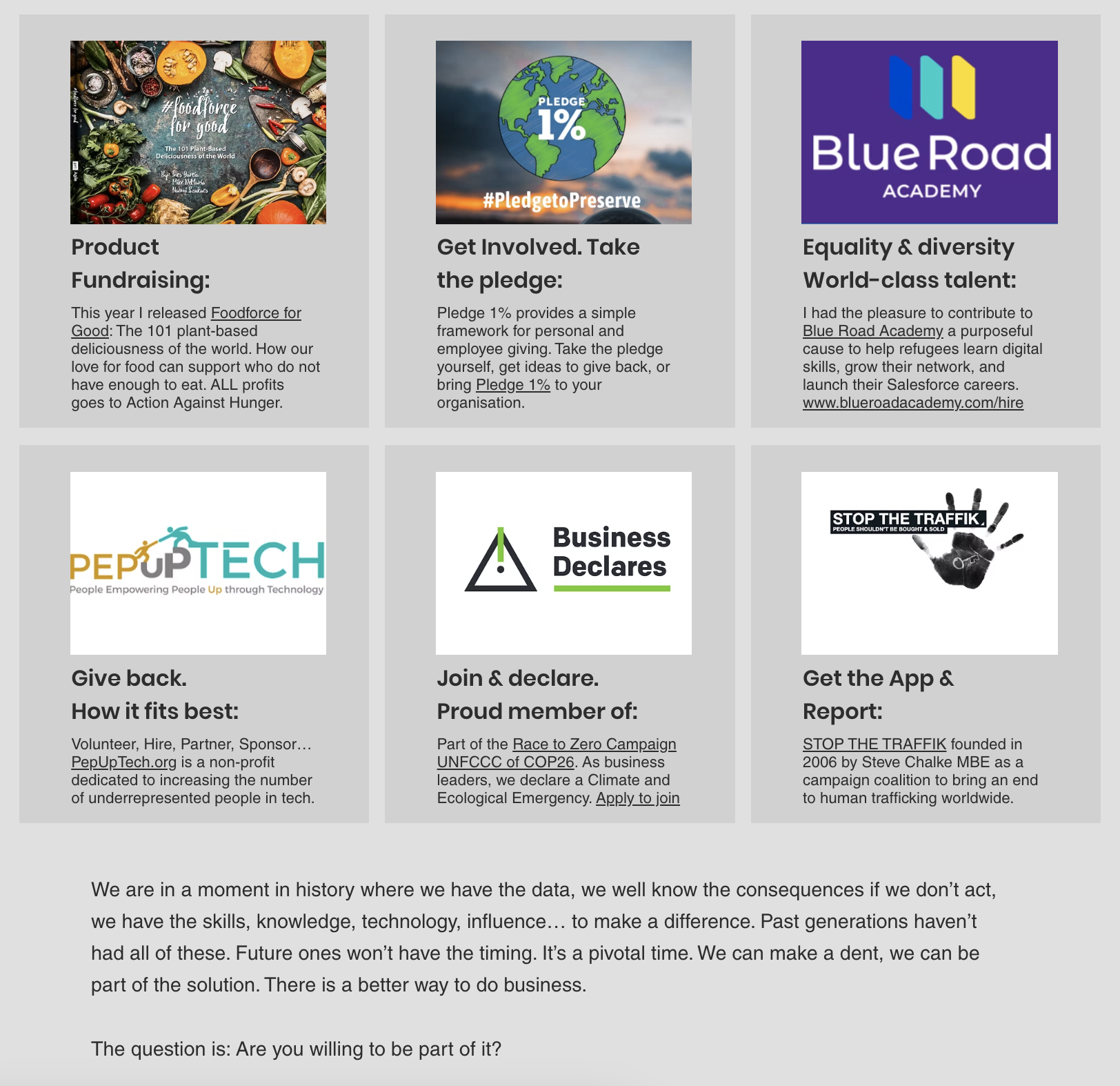
Regenerative. In nature, regenerative systems don’t just sustain: they restore, they enrich, they leave the conditions better than they found them. That’s what I aspire to in every engagement, every programme I design, every community I’m part of. Whether it’s through the “Pay It Forward” model we built into our Agile Sustainability programme, or through the organisations I support like Refugeeforce, Pepup Tech, or the Agile Alliance’s Sustainability Initiative; the intent is always to give back more than I take, and to build conditions where others can thrive independently of me.
How does your company’s Pledge 1% program help shape the kind of workplace culture you believe in?
Pledge 1% gives structure to something I deeply believe: that doing good and doing well are not in conflict. In fact, they nourish each other. For me, participating in Pledge 1% is a public commitment to the idea that the value of a company’s goods and services must be weighed against the waste it generates (social and environmental), not just financial. It signals to clients, collaborators, and my wider community that impact is not an afterthought. It’s embedded in how we work. It has also been evolving (expanding at the edges) since I first joined in back in 2018.
Culture is built through consistent, visible choices. When a business pledges its time, product, equity, or profit toward something greater, it sets a tone; one that attracts people who share those values and holds the organisation accountable to living them.
This year marks the 7th year of Pledge 1%’s #WomenWhoLead campaign. How can companies champion and support female leadership?
Start by expanding your definition of diversity itself. I once came across a diversity model that went far beyond gender and ethnicity — it mapped how people relate and connect, how they think and process information, what they believe, how they work, their physical traits and many more dimensions. Rich, functioning ecosystems are diverse in all these ways, and so are thriving workplaces.
For women specifically, companies need to dismantle the structural biases: the echo chambers, the unexamined privilege, the “old fashioned” cultural assumptions that still quietly shape who gets promoted, who gets heard, who gets funded. But equally important is creating the conditions for women to mentor each other, to lead programmes like The Mentorship Central and YeurLeadin, to be visible not just as success stories but as whole human beings.
Being objective is not a default, what we see and therefore what we think depends where we seat (experiences, culture, objectives…) understanding this and willing to work towards the common goal can be a great enabler. Let’s break free from dualism; there is more to us than any single attribute.
If you could write a note to your younger self on her first day of work, what would it say?
Let’s quiet our cleverness. The answers you’re looking for aren’t always found in frameworks or methodologies; they’re all around you, in the patterns of the living world.
Pay attention. The mechanisms, strategies, and solutions to the hardest problems have been evolving for 3.8 billion years; in forests, in coral reefs, in how rivers meet land. That is an R&D archive to tap into. You don’t have to invent everything from scratch. You just have to learn to read the patterns. And know this: the edges are where the magic happens. The places where disciplines intersect, where you don’t quite fit in any single category, where you feel the tension of standing between worlds. Those are your greatest assets, not your weaknesses. Don’t rush to the straight lines, the boxes, the centre. Stay curious at the edges. The world needs you to do both: do good and do well. They are not opposites. They never were.