On December 5th, the Salesforce Bangalore office became a vibrant hub of purpose and collective action. The Pledge 1% Impact Exchange brought together India’s business leaders to celebrate a movement that has redefined corporate responsibility: the 1-1-1 model.
What began with Salesforce committing 1% of equity, technology, and time- has evolved into a global movement. Today, Pledge 1% ensures that giving back is not an afterthought, but a core component of a company’s DNA.
From Global Vision to Local Action
The evening opened with a powerful keynote from Naomi Morenzoni, SVP of AI for Impact and Sustainability Philanthropy. As a founding board member of Pledge 1%, Naomi shared an intimate look at the movement’s 26-year journey, reflecting on the early days of recruiting the very first “pledgers.” Her message was clear: intentionality drives systemic change.
The true heart of the event was seeing how this global vision is being localized through the “Spotlight India” stories of our Pledge 1% members:
- Purple Chillies: Guided by the philosophy of “enterprise with a heart,” Purple Chillies used their 1% commitment to digitally transform the Bembala Foundation. By implementing the Salesforce Nonprofit Success Pack, they moved Bembala from a manual, seven-page paper process to a scalable digital case management system, empowering the foundation to better support survivors of domestic violence.
- Atom360: As a pioneer in AI-driven healthcare, Atom360 is proving that technology can bridge the gap in rural wellness. Their flagship product, Berry.care, uses cutting-edge AI to provide early oral cancer screening via smartphones. By making screening affordable and portable, Atom360 is bringing life-saving diagnostics to underserved communities where specialized healthcare is often out of reach.
Forging the Future
The Impact Exchange truly came to life during our closing dinner. During the networking session, the room buzzed with new collaborations and ideas on how to scale impact across the Indian ecosystem.
This event proves that the spirit of giving is stronger than ever. We are proud to be both a founder and a champion of this movement, and we look forward to seeing how the connections made during this event will transform into real-world impact tomorrow. Thank you to everyone who joined us. Together, we are building a better, more sustainable future.
Today, we want to express our deep gratitude for Amy Lesnick’s leadership of Pledge 1% — and our confidence in what lies ahead.
Over nearly a decade, Amy played a defining role in building and shaping Pledge 1% into a global movement grounded in a simple belief: that business can be a powerful force for good. Her leadership helped turn a founding idea into a trusted, business-first, force-multiplier approach designed to last — rooted in community, credibility, and action.
Because of Amy’s leadership, Pledge 1% enters this next chapter from a position of strength: financially healthy, well governed, and supported by a strong leadership team, Board, and Global Visionary Council — alongside a powerful ecosystem of companies, investors, and partners, and growing global momentum.
We’re grateful that Amy will continue to actively lead through May 2026 and remain closely involved as a member of the Global Visionary Council, ensuring continuity and a thoughtful, values-aligned transition.
Thank you, Amy, for your vision, partnership, and care in building something enduring. The work continues, the community remains strong, and we’re excited for what lies ahead for Pledge 1%.
This past GivingTuesday (December 2, 2025), Pledge 1% members from around the world came together to celebrate and share how they are moving their pledges to action.
We started at midnight with Pledge 1% Gives, our annual storytelling campaign that shares impact stories from across our community. The 2025 campaign was our most global and diverse yet. Here are some quick highlights.
By the Numbers: A Truly Global Movement
2025 was a record-breaking year for Pledge 1% Gives. We nearly doubled our goal of 24 stories, with many coming from members located outside of the United States:
- 47 Stories Shared: Representing approaches from companies of all sizes and stages.
- 12 Countries Represented: From Egypt to Malaysia, and Australia to Portugal, stories came in from diverse markets and locations.
- 47% International Participation: This is a significant jump from 31% in our last campaign, demonstrating that Pledge 1%’s flexible framework works across contexts and business cultures.
The campaign also highlighted the breadth of our membership, with stories from 11 Builder companies and 6 equity pledges.
Major Announcements & Commitments to Impact
This year’s campaign was punctuated by several announcements that illustrate how Pledge 1% members are taking their pledge to the next level:
- Circle Launched the Circle Foundation: A great example of an equity pledge coming to life and ensuring ongoing impact.
- Salesforce & The AI-Powered Impact Navigator: An innovative new tool to help companies of any size identify and act on their unique path to impact.
- Alton Aviation Surpassed $1 Million in Donations: A major milestone that showcases the cumulative power of consistent giving.
- Rokt Fueled Diversity in Motorsport: The launch of the first all-female F1 sim racing team is an innovative example of using corporate resources to break barriers and empower women in STEM and sports.
Celebrating Our Collective Impact
In addition, we opened the day with our Builders by ringing the Nasdaq Opening Bell. The ceremony included remarks from Pledge 1% CEO Amy Lesnick, who talked about the power of the movement’s collective impact and how companies are shaping the possibilities and norms for future generations.
Year-round Inspiration
The stories and examples shared on GivingTuesday permanently live on the Pledge 1% blog and are available for companies to access for inspiration, best practices, and new ideas.
We are also collecting impact stories, reports, and case studies throughout the year. We encourage you to email our team to learn about how to get your company featured.
Astonous joined Pledge 1% with a simple commitment: to integrate meaningful community impact into the way we work. Through this pledge, we dedicate time and company effort toward initiatives that promote dignity, connection, and wellbeing within our local communities.
As part of this commitment, our team recently visited Atmanirbhar Vridhashram – Ashadeep Sansthan in Jaipur, a home that provides a safe and caring environment for elders supported through community-driven care. Our intention was to contribute through presence spending time with residents, engaging in light activities, and helping create a warm and inclusive atmosphere.
During our visit, our team spent time interacting with residents, participating in light activities, and supporting the daily rhythm of the home. These moments highlighted how thoughtful engagement and shared experiences can help strengthen emotional wellbeing and create a sense of togetherness.
For Astonous, the Pledge 1% movement reflects our long-term commitment to purposeful social responsibility. We remain dedicated to supporting environments that honor dignity and nurture meaningful human connection, and we look forward to continuing our contribution to community wellbeing in the years ahead.

At 6:58 a.m. on Giving Tuesday, a nonprofit operations center felt like the quiet before a storm. In less than an hour, the room would normally erupt into the sector’s version of Black Friday urgency colliding with Cyber Monday volume. Donations spike, questions pour in, and staff race to keep up with a day that compresses a year’s worth of pressure into a few critical hours.
But this year, something unusual happened.
Before anyone arrived, an AI agent had already worked through the night—answering inquiries, drafting records, flagging early trends, and clearing routine bottlenecks that typically stack up before sunrise. When the team walked in, instead of reacting to chaos, they stepped into a morning that felt unexpectedly calm and unusually controlled. They weren’t scrambling. They were directing.
This is how AI agents are quietly reshaping Giving Tuesday, the broader nonprofit sector, and the future of work.
Across the country, similar scenes emerged. While retailers celebrated record-breaking Black Friday and Cyber Monday performance, nonprofits experienced an operational turning point. As a former board chair of Tides and an advisor to national nonprofits navigating digital transformation, I have never seen such rapid adoption. AI agents are quickly becoming essential frontline infrastructure. Because these systems were developed on Agentforce, teams could design agents that mirror their real frontline workflows.
The CEOs and board leaders I advise are now asking sharper questions:
- What happens when nonprofits stop responding to crises and start orchestrating mission flow?
- Which frontline workflows are mature and safe enough for AI agent automation?
- How will rising donor expectations reshape the speed at which nonprofits must now operate?
These questions reflect a simple truth: the workload has outpaced the workforce.
The Demand Surge Is Outpacing Human Ability
Giving Tuesday now carries an outsized share of the sector’s annual pressure, generating more than $3.1 billion in donations in just 24 hours last year. Donations spike at the same time donor expectations accelerate.
In recent reports, donor response-time expectations have dropped below two hours. Mobile activity now accounts for 85 percent of Giving Tuesday engagement, meaning inquiries and contributions arrive constantly and from multiple channels. Burnout remains the number-one workforce challenge for 66 percent of nonprofit teams. And more than half of nonprofits still lack real-time data systems, which intensifies operational strain exactly when the work peaks.
This combination means organizations must operate at real-time speed without real-time tools. That is the gap AI agents filled this year.
Lori Freeman, vice president and global GM of nonprofit at Salesforce, sees the same shift across thousands of organizations. “The use cases for AI agents within the sector are vast,” she said. “They’re already providing always-on support for everything from donor questions to prospecting research.” Freeman added that agents are also helping match volunteers to shifts, streamline personalized service delivery, and simplify year-end reporting—work that becomes especially valuable as the Giving Tuesday surge compresses expectations. “When agents take on manual and time-consuming tasks, staff are freed to focus on the high-value, mission-critical work the season demands.”
At Blue Star Families, the STAR pilot restructured the frontline experience. “STAR’s superpower is cutting down the time it takes our team to create account, opportunity, and interaction records,” said Michael Kang, vice president of technology and analytics. “We’ll have double the data integrity in half the time.” Before STAR, staff spent an average of 20 percent of their time on data entry. With STAR deployed, about 400 staff hours per week will now shift to mission delivery instead of manual tasks.

At Pledge 1%, CEO Amy Lesnick said the organization’s agent is designed to remove the biggest friction points companies face when beginning their social impact commitments. “It gives members personalized recommendations, answers common questions, and walks them step-by-step through their commitments,” she said. The team anticipates a 30 percent increase in new members completing digital onboarding within 45 days. “We’re a small but mighty team, and the agent frees us to focus on high-value conversations.”
At Pacific Clinics, an AI agent rebuilt outreach for Enhanced Care Management, a Medi-Cal benefit supporting people with complex health needs. “Instead of cold calling members to explain eligibility, our team can begin conversations with people who are informed and ready to engage,” said Executive Director Garret Zabel. “The agent handles questions anytime. Our employees remain at the center of every critical interaction.”
Across organizations, the theme is consistent: agents are stabilizing the operational middle—the historically fragile backbone of nonprofit work.
How AI Agents in Nonprofits Are Becoming the Sector’s New Frontline Support
Nonprofits run on relationships, communication, and trust. Administrative overload weakens all three.
Leaders now point to three clear areas where AI agents are delivering the strongest value.
- Donor communication at scale. Organizations are delivering timely acknowledgments, FAQs, and updates that previously required days of manual effort. This means donors feel informed and valued at the exact moments that increase engagement and retention. Freeman emphasized the shift in donor experience. “Agents are improving donor interactions by enabling faster, more personalized support,” she said. “Our new donor support agent can provide tailored answers to donor questions 24/7 in ways that weren’t possible before.” This level of responsiveness resets expectations for how nonprofits engage supporters during high-volume periods.
- Volunteer management and task routing. Agents match needs with availability, eliminate logistics delays, and route inquiries rapidly. For example, volunteer onboarding becomes continuous rather than episodic. Freeman noted that the shift is beginning to reshape the nonprofit workforce. “Managing workload is a top challenge for nonprofits. Hundreds of hours are spent updating records, reading past client notes, or manually connecting volunteers to shifts. AI agents can take on this work so nonprofit teams can focus on the high-value, mission-driven tasks that brought them into the sector in the first place. By reducing busywork, leaders can help ease burnout and keep staff engaged in the work that matters.”
- Program support and knowledge retrieval. Staff gain real-time access to donor history, program data, and insights without complex manual processes. It’s one of the clearest areas where AI agents remove friction, especially when frontline teams need accurate information under time pressure.
In my Forbes analysis on AI-fluent leadership, I noted that the highest value emerges when humans apply judgment and strategy while technology handles mechanics. That principle is playing out across the sector.
Pledge 1% sees this daily. “By meeting each company where they are—based on stage, goals, and growth—the agent provides the next right action,” said Lesnick. “Every member feels supported the moment they join.”
At America On Tech, the transformation is dramatic. “Previously, each report could take up to four days per funder,” said CEO Jessica Santana. “Tableau Next and Agentforce have made reporting 32 times faster and reduced manual data gathering by more than 90 percent.” This shift gives staff the equivalent of one full workday per week. “Funders receive updates almost immediately, which strengthens relationships.”
Pacific Clinics reports similar benefits. “Our employees can put their energy where it matters most: building relationships that change lives,” Zabel said.
Major platforms like Salesforce see the same trend across thousands of organizations.
How AI Agents in Nonprofits Are Redefining Nonprofit Strategy
This Giving Tuesday accelerated three structural shifts that will define nonprofit strategy moving forward.
- Human judgment becomes the core asset. Agents execute the mechanics so people can handle nuance, trust, and strategy. For example, staff can now focus on conversations involving complex decisions rather than data entry.
- Data literacy becomes mandatory. Organizations must strengthen governance, privacy, and responsible use. This means frontline teams need training to interpret data rather than simply manage it.
- Funding models evolve toward tech-enabled mission delivery. As foundations once funded websites and CRMs, the next era will support agents, data platforms, and intelligent workflows. For example, funders are beginning to tie grant-making to an organization’s digital readiness and real-time reporting capabilities.
A decade ago, while serving as dean at Columbia University, I sat with a principal donor who told me: “If you can’t modernize how you measure and communicate impact, we can’t scale what matters.” At the time, we couldn’t yet deliver on what he was describing. Today nonprofit leaders do. AI agents finally give organizations the operational intelligence donors were calling for long before the technology existed.
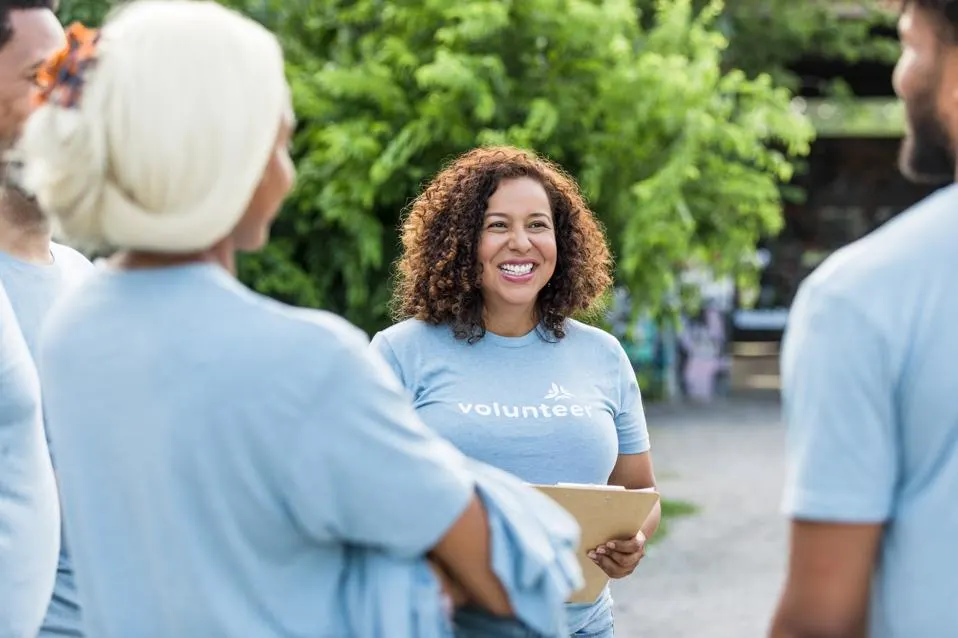
At America On Tech, that long-term view is already taking shape. “Our early experience shows that AI agents can become a core, always-on operational tool—not just a reporting accelerator,” Santana said. “They strengthen a data-driven culture, streamline dashboards, and free staff for higher-value work.”
Pacific Clinics sees the same trajectory. “Our early learnings suggest the agent can help members obtain answers any time, any day,” Zabel said. “But employees remain at the heart of every critical interaction.”
What Every Board Should Ask Right Now
Boards are increasingly aware that AI agents reshape not only operations but also governance and strategy. As organizations prepare for 2026, every board should start with these questions:
- Do we have a real-time data foundation?
- Which workflows can safely shift to agents over the next 12 months?
- How will our staffing model evolve when routine tasks disappear?
- What safeguards ensure transparency, equity, and ethical use?
- How will AI elevate the trust that defines our mission rather than undercut it?
The Leadership Call to Action for AI Agents in Nonprofits
The lesson from this Giving Tuesday is clear: nonprofits must begin scaling their intelligence, not just their effort. AI agents will not replace the values that define the sector—empathy, equity, trust—but they will force a new level of operational clarity.
Leaders should prioritize three actions:
- Invest in operational intelligence, not incremental capacity.
- Equip teams with data literacy and judgment skills that complement agents.
- Build a technology-enabled mission strategy that is as dynamic as the communities you serve.
Giving Tuesday 2025 may be remembered as the moment nonprofits crossed a threshold. Organizations that leaned into AI agents in nonprofits emerged not just faster, but freer. And as Lori Freeman’s forthcoming insights will highlight, this is the beginning of a model where nonprofits move from surviving seasonal surges to shaping year-round mission power.
At Salesforce Ventures, we believe that values drive value — and that the companies that endure are those grounded in purpose from day one. As a founding member of Pledge 1%, we’ve seen firsthand how this framework empowers startups to translate values into action, embedding social impact into a business’s foundation.
One powerful example of that belief in action comes from G2. In 2023, G2 formally joined Pledge 1%, committing 1% of the company’s equity to charitable causes, with a focus on expanding access to STEM education for underrepresented communities worldwide. Their example showcases what it means to blend purpose with action and how a business can have a lasting positive impact in more ways than one.
A Commitment Rooted in Kindness
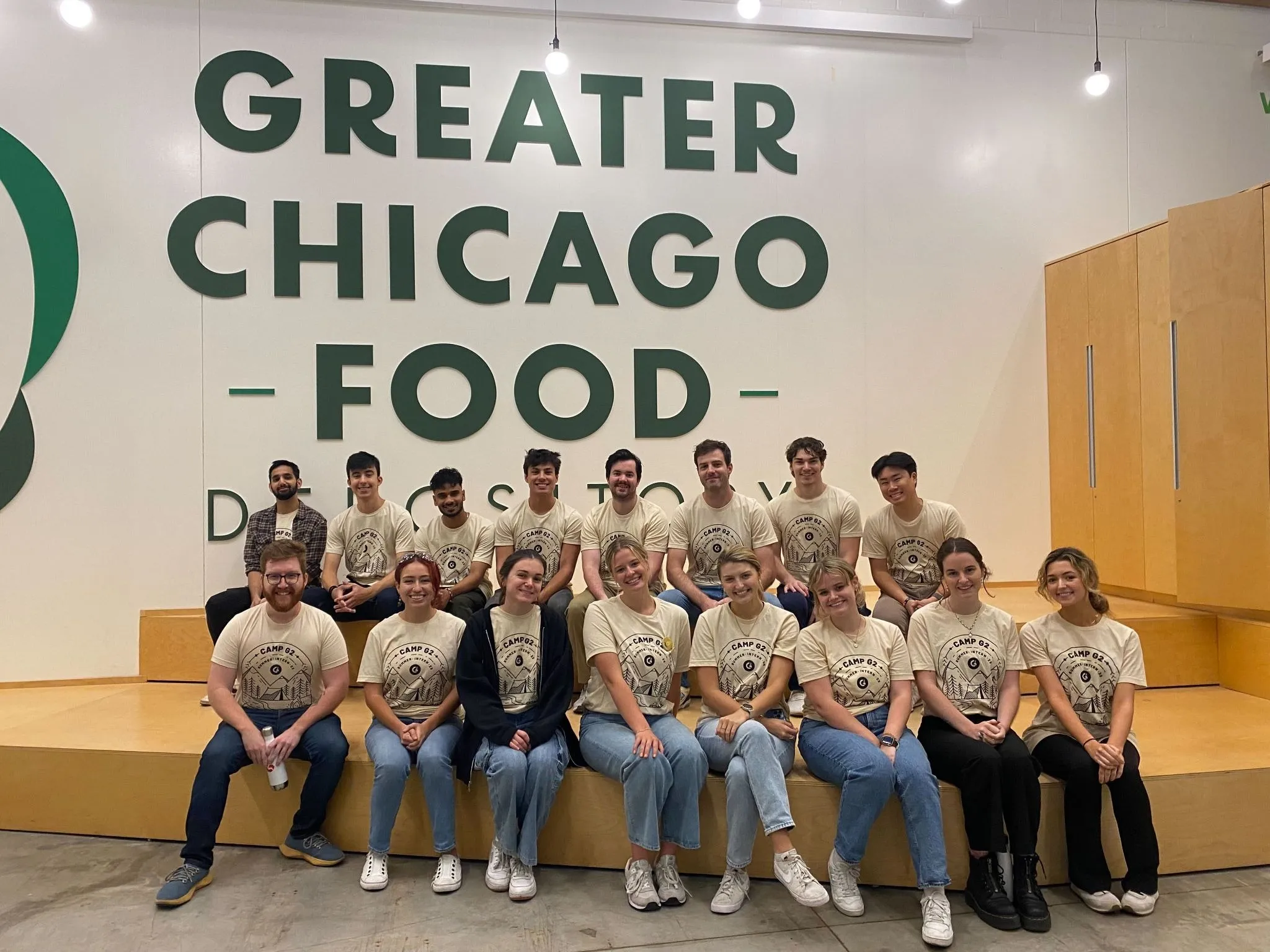
Over a decade ago, G2 was founded on a set of values: Performance, Entrepreneurship, Authenticity, and Kindness, or “PEAK” for short. Regardless of how the business evolved, founders Godard Abel, Tim Handorf, Mike Wheeler, Mark Myers, and Matt Gorniak agreed that G2 would remain rooted in these ideals.
After Salesforce Ventures invested in G2 and invited them to take the pledge, the founders agreed it would be a perfect opportunity to live their value of Kindness.
“At G2, we’re driven by Kindness and the desire to create real, lasting impact through compassionate leadership,” says Abel, G2’s CEO. “Joining Pledge 1% was a natural extension of this ethos, offering a structured way to make philanthropy part of G2’s DNA.”
The G2 team chose to center their philanthropic efforts on expanding access to STEM education for underserved communities. By opening doors to the tech ecosystem for those who might otherwise be left out, Abel and co. believe they can help ensure that the next generation of innovators has the opportunity to bring their ideas to life.
“By concentrating on this specific area, we’re ensuring our efforts can scale with intentionality,” says Abel. “We want to help build the next generation of software experts and builders.”
In practice, G2 structured their pledge around a handful of commitments:
- The company has pledged to donate 1% of its equity to charitable organizations focused on improving access to STEM education for underserved populations.
- The company has already begun its philanthropic efforts by volunteering with and donating to organizations such as Chicago Tech Academy, Ennovate Labs, Girls Who Code, and the American Cancer Society, aiming to deliver a positive impact in communities both in the U.S. and globally.
- Through its G2 Gives program, G2 donates $10 to organizations like Girls Who Code every time a user submits a software review on the G2 platform.
- Employees at G2 are granted 20 paid volunteer hours per year to volunteer with a philanthropic organization of their choosing.
To promote buy-in for this program, Abel, Handorf, Wheeler, Myers, and Gorniak agreed to personally pledge 1% of their own equity in addition to 1% of the company’s corporate equity.
“We wanted to set the tone from the top,” Abel explains. “This wasn’t just a corporate move; it was a personal one.”
That leadership example quickly resonated across the organization. Abel says Chief People Officer Priti Patel helped champion the initiative internally, ensuring that G2’s philanthropy efforts became a shared mission embraced across teams and geographies.
The Result: Engagement and Growth
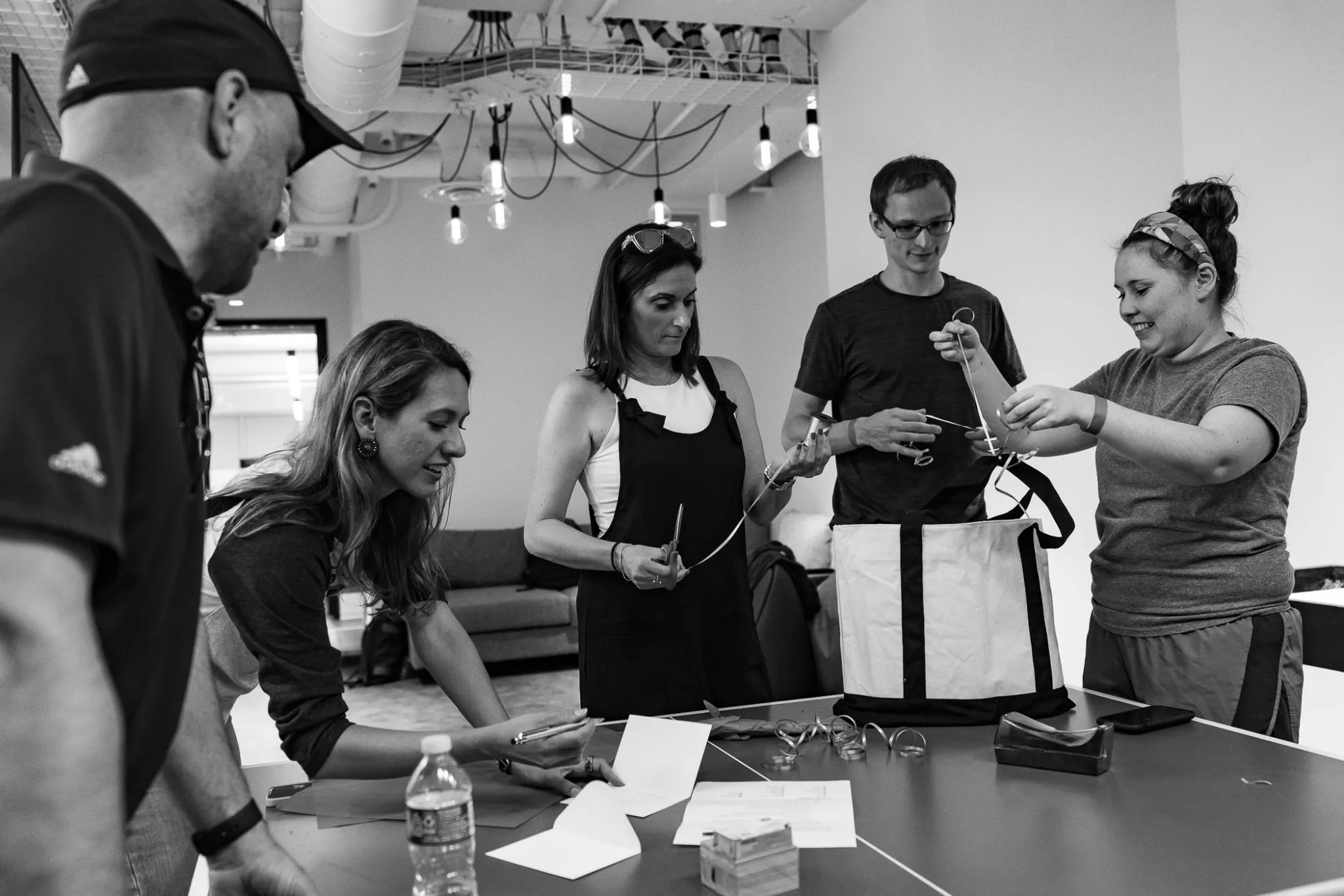
G2’s philanthropic efforts to date have already raised over $1 million for charitable organizations through its G2 Gives program and resulted in thousands of employee volunteer hours across G2’s 600-person team. Further, it’s having a real impact on the ground. As part of G2’s pledge, Handorf has made multiple trips to Nigeria to serve as a guest teacher at a local school and speak at LAUTech University about entrepreneurship — witnessing firsthand how encouraging entrepreneurship and financial support can open doors to opportunity.
The G2 team shares these benevolent efforts via a philanthropy page on its website, blog, and via social media posts to amplify their work to customers and employees.
“Our Pledge 1% commitment reinforces our culture of purpose and kindness,” says Abel. “It reminds employees they are part of something bigger — a company committed to making a difference.”
Outside of increased employee engagement, Abel says customers and partners have taken notice of G2’s commitment to values-driven leadership.
“Our commitment signals to customers and partners that we are a values-driven organization,” Abel says. “We often collaborate with our partners to raise funds for G2 partner organizations and help them scale their impact.”
That alignment of purpose and partnership reinforces G2’s long-term vision — a company that helps others grow while growing itself responsibly.
Advice for Founders: Don’t Wait to Start
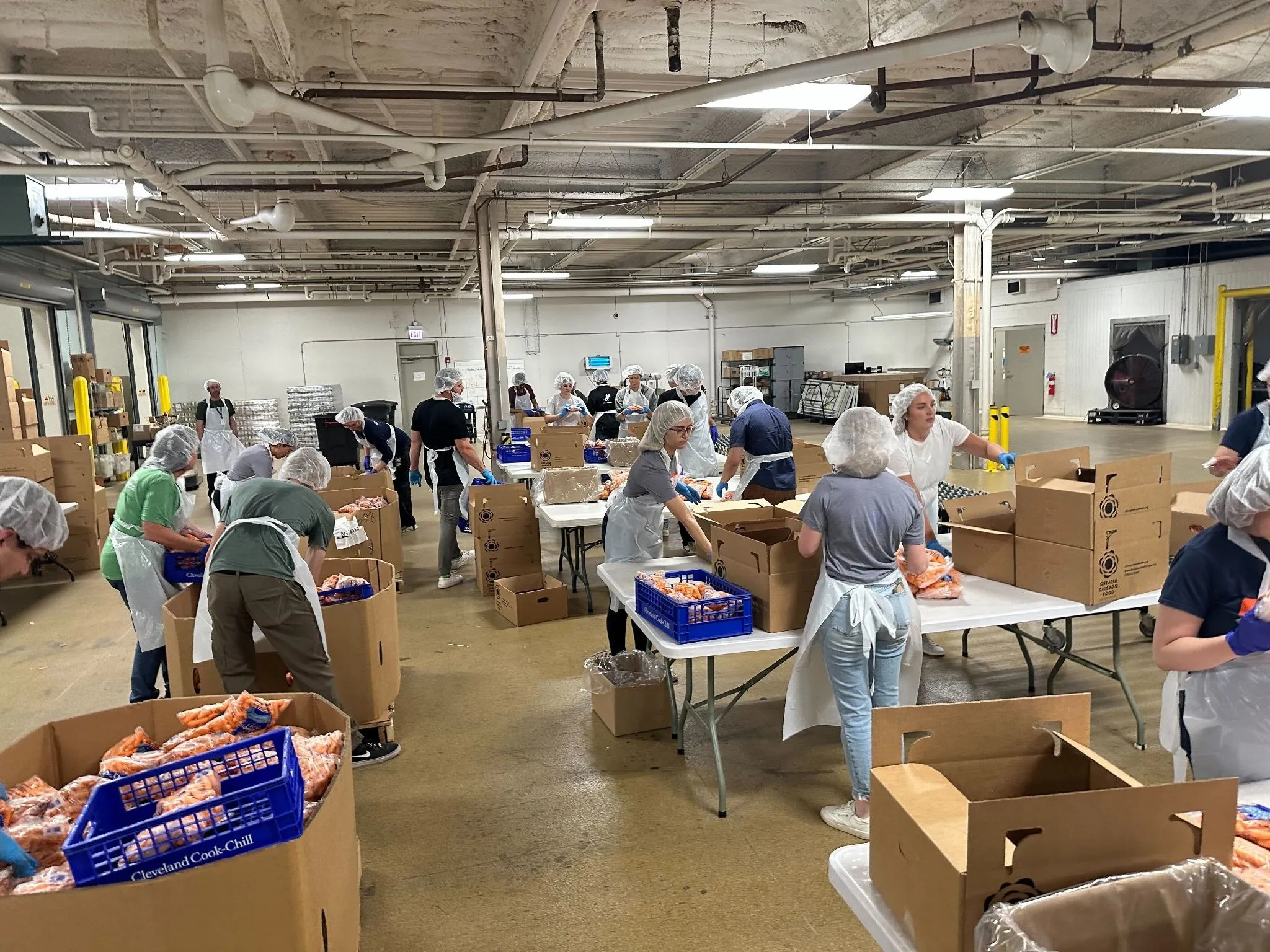
When asked what he’d tell early-stage founders considering Pledge 1%, Abel’s advice is simple:
“Don’t wait. Purpose is most impactful when embedded early. Committing something now — even just 1% — sends a strong message to your team and community. It’s a small stake today with the potential for massive impact tomorrow.”
For founders who feel unready to make a full financial commitment, Abel encourages starting small — through mentoring, volunteering, or supporting local nonprofits — and letting those efforts evolve into a long-term giving framework.
“Anchoring philanthropy in your company’s foundation helps shape culture and scale impact as you grow,” Abel says.
Since our founding in 2013, Circle has been focused on our mission of raising global economic prosperity through the frictionless exchange of value. And, for more than a decade in parallel, we’ve deployed our people and technology to expand access to financial tools that help people thrive — from enabling more efficient delivery of humanitarian aid, to helping entrepreneurs solve pressing global challenges. Now, we’re taking that commitment further.
Today, we’re proud to introduce Circle Foundation, a new philanthropic initiative dedicated to advancing financial resilience and inclusion in the United States and around the world. Seeded by Circle’s Pledge 1% equity commitment — a global initiative uniting thousands of companies in dedicating a portion of their equity and resources to philanthropy — the Circle Foundation will support groups that strengthen the financial systems people rely on every day. This includes organizations that work with small businesses in US communities and international groups modernizing the infrastructure of humanitarian aid.
From moments of impact to systemic change
Circle has seen firsthand how access to better financial tools can change lives, and over the years we’ve worked to help provide that access. We’ve continuously sought ways to collaborate with global organizations to help humanitarian organizations deliver aid faster, more securely, and at lower cost, while supporting entrepreneurs creating new models for financial access.
In Ukraine, we worked with the UN Refugee Agency to help deliver assistance via USDC to thousands of displaced people, giving them the means to start rebuilding their lives. In Venezuela, a collaboration with humanitarian and fintech partners helped route nearly $18 million to more than 60,000 healthcare workers at the height of the COVID-19 pandemic. And, through Circle’s Unlocking Impact Pitch Competition, past winners like Rahat in Nepal and Ensuro in Kenya, and 2025 winner ATEC Global in Cambodia, demonstrated how they used USDC and open, digital infrastructure to build financial resilience against climate and economic shocks. Each of these efforts demonstrates the same truth: when financial systems are open, efficient, and inclusive, people gain access to opportunity.
Circle Foundation exists to build upon that impact by turning individual programs into systemic change, focusing on building durable infrastructure for economic participation that gives people and communities the tools, knowledge, and access they need to thrive.
Supporting access and resilience, starting at home
In its first phase, Circle Foundation will focus on strengthening the financial resilience of small businesses across the United States. Small businesses employ nearly half of all US private-sector workers and drive more than 40% of GDP, yet many still struggle to access affordable financing, digital tools, and the capital readiness they need to grow.
Through grant making, Circle Foundation will address this challenge by partnering with mission-driven lenders, known as Community Development Financial Institutions (CDFIs), that fill critical gaps left by traditional finance. The Foundation will prioritize results-driven, technology-forward CDFIs that share best practices and data-driven insights across their networks, amplifying the reach and effectiveness of every dollar of support.
Expanding opportunity globally
While our initial grants will be made in the US, Circle Foundation’s mission is global. Around the world, billions remain excluded from financial systems that enable a prosperous future. The Circle Foundation will work with international organizations to modernize the infrastructure behind humanitarian finance, helping aid reach more people, more efficiently, and with greater transparency.
These efforts build on Circle’s long-standing collaborations with multilateral institutions and NGOs, and reflect our belief that financial access is a foundational element of global economic prosperity.
More than money: a commitment of time, expertise, and trust
Circle Foundation’s impact won’t be measured in dollars alone. Through our participation in Pledge 1%, Circle has committed both financial resources and employee time toward advancing social good. Every Circle employee will have up to 40 hours of paid volunteer time annually to contribute to nonprofits and community organizations of their choice.
Circle Foundation is also structured for independence and longevity. As a donor-advised fund housed with Fidelity, it is separately governed and focused entirely on mission-aligned giving. Circle covers the operational costs, so that Foundation dollars are directed where they matter most — right to impact.
Leading with purpose
After 9 years serving as Circle’s Chief Operating Officer, Elisabeth Carpenter has turned her attention to accelerating and giving permanence to Circle’s broader mission as Chief Strategic Engagement Officer and Founding Chair of Circle Foundation.
Circle Foundation marks the next step in Circle’s mission to raise global economic prosperity. Where Circle’s technology has helped move value faster and farther, Circle Foundation will help those benefits reach deeper through systems-level change at home and abroad.
In 2019, Jambo™ officially joined Pledge 1%, a global movement that encourages companies worldwide to contribute 1% of their profits, products, equity, or employee time to meaningful causes. By joining this movement, Jambo strengthened its commitment to giving back and creating lasting, positive change.
Jambo has pledged 1% of its profits to Classrooms for Africa, a Canadian charitable organization that supports community-driven school construction projects in disadvantaged regions of Sub-Saharan Africa. Instead of relying on foreign volunteers or imported materials, Classrooms for Africa funds local labour, locally sourced supplies, and community-led project management, ensuring each project is sustainable, culturally aligned, and beneficial to the local area.
Jambo’s name (pronounced jam-bo!) comes from a Swahili greeting similar to “Hello.” While simple, the word reflects something deeper: all engagement begins with a greeting. Because Swahili is widely spoken across Sub-Saharan Africa, the name also symbolizes Jambo’s commitment, through Pledge 1%, to expanding access to education in the region.
Each year, a member of the Jambo team travels to Africa to witness the impact of this pledge. Eilbhe Kennedy, Jambo’s Head of Marketing, visited Classroom for Africa projects in Uganda and shared these thoughts, “Seeing the impact of the support we provide made me incredibly proud to work for Jambo. Our contributions go a long way, and I am confident that our company makes a lasting impact, as each project will continue to provide a safe and clean space for learning for years to come.
This pledge reflects Jambo’s belief that meaningful, long-term change happens through both the work enabled by the Jambo platform and thoughtful corporate social responsibility. Jambo is proud to help expand access to education for children across Sub-Saharan Africa through its partnership with Pledge 1% and Classrooms for Africa.
Hace unos años, me detuve frente al reflejo de un negocio que daba buenos resultados… pero no me llenaba.
Había procesos improvisados, equipos que trabajaban con buen corazón pero sin claridad, clientes que regresaban… pero algo faltaba.
Fue en ese momento cuando descubrí algo más grande que resultados: una llamada a hacer las cosas con propósito.
Entonces encontré el movimiento Pledge 1%, un regalo para mi visión. Una filosofía que dice: “Tu empresa puede ser rentable y al mismo tiempo ser un agente de cambio”.
Comprendí que el orden, la estructura y la excelencia operativa no son solo para el negocio, sino para las personas: tus colaboradores, tus clientes, tu comunidad.
Con Monte Alto nace una promesa: no solo ayudarte a optimizar procesos, estandarizar operaciones y formar equipos… sino a construir una empresa que se convierta en una fuerza para bien.
Imagina un negocio donde cada empleado se siente parte del sueño, cada cliente vive una experiencia memorable, y tu crecimiento se convierte en participación, impacto y legado.
Esa es la realidad que podemos alcanzar juntos. Porque cuando adoptas los valores de Pledge 1% —dar un % de tu tiempo, de tus recursos, de tu talento— el crecimiento deja de ser solo personal y se vuelve comunitario.
Hoy te invito a que des el paso: estructura, propósito, corazón. Que Monte Alto sea tu guía para construir NO solo un negocio rentable… sino un negocio que importa.
Y recuerda: cuando defines hoy un % de tu éxito para los demás, estás sembrando un futuro que trasciende. Porque el verdadero crecimiento empieza con la claridad de saber que tus resultados son también una oportunidad.
Bienvenido a Monte Alto. Bienvenido al cambio.