
NEW YORK, Sept. 27, 2017 /PRNewswire/ — MediaMath, the leading independent programmatic company for marketers, today announced it is allocating 1% of equity to charity via MediaMath.org, as a Pledge 1%partner. MediaMath will commit 1% of their time, technology, and resources to MediaMath.org – MediaMath’s philanthropic arm – as a part of the partnership with Pledge 1%, a corporate philanthropy movement dedicated to making the community a key stakeholder in every business.
MediaMath.org is joining a network of more than 2,700 companies in 60 countries that have committed to philanthropic efforts through Pledge 1%. In 2016, MediaMath launched MediaMath.org, including the rollout of volunteer and donation matching policies. MediaMath.org is founded on the idea of integrated philanthropy; combining charitable giving with the company’s technology and talent to help improve communities around the world. Since its inception, MediaMath.org has made a measurable impact, from serving food to the homeless in London to funding eyesight surgeries in Cambodia. MediaMath.org currently supports a growing list of nonprofits including Seva, BUILD.org, and others.
“I’m delighted to announce that MediaMath is adding 1% of our equity to our original pledge,” said Joe Zawadzki, Chairman, CEO and Co-Founder of MediaMath. “Giving back is a core value for us, and MediaMath.org has allowed our company to formalize our efforts and align resources, leading us to have more of an impact around the world. I’m very proud of what we’ve accomplished to date, and am extremely excited about what’s in our future.”
“We are thrilled that MediaMath has extended their Pledge 1% movement to now include equity,” said Suzanne DiBianca, EVP of Corporate Relations and Chief Philanthropy Officer of Salesforce. “By adding equity to their existing time and technology commitments, MediaMath will be able to send funds directly to nonprofits, which will have a significant impact as their business continues to grow.”
About MediaMath
MediaMath’s technology and services help brands and their agencies drive business outcomes through programmatic marketing. We believe that good advertising is customer-centric, delivering relevant and meaningful marketing experiences across channels, formats and devices. Powered by advanced machine learning algorithms that buy, optimize and report in real time, our platform gives sophisticated marketers access to first-, second- and third-party data and trillions of digital impressions across every media channel. Clients are supported by solutions and services experts that make it simple to activate our technology. Since launching the first Demand Side Platform (DSP) in 2007, MediaMath has grown to a global company of nearly 700 employees in 15 locations in every region of the world. MediaMath’s clients include all major holding companies and operating agencies as well as leading brands across top verticals.
About Pledge 1%
Pledge 1% is an effort spearheaded by Atlassian, Rally, Salesforce and Tides to accelerate their shared vision around integrating philanthropy into businesses around the world. Pledge 1% encourages and challenges individuals and companies to pledge 1% of equity, product and employee time for their communities, because pledging a small portion of future success can have a huge impact on tomorrow. Pledge 1% offers companies turnkey tools and best practices, making it accessible for any company to incorporate philanthropy into their business model. To learn more or to take the pledge, please visit www.pledge1percent.org.

We are thrilled to announce our non-profit partner for India Dreamin – Pledge 1%. Through this partnership, we give attendees the chance to be part of a great cause and give back to the community. Pledge 1% is committed to encouraging the early stage companies they work with to make giving back a priority. Companies can pledge 1% of their time, equity and product/service to improving the community. Pledge 1% founding partner include Salesforce, Atlassian, and Rally, three companies that know first-hand how pledging a small portion of future success today can have an enormous impact tomorrow.
Now, with India Dreamin, you too can be part of this great cause. Our registration form for the event includes a few questions that can guide you on this journey. You can sign up to get more information on this while registering . What’s more? There are some interesting Pledge 1% swag given out at the event too. Take the Pledge and be part of an amazing list of companies who are working to make the world a better place in their own ways possible.
A big thank you to Pledge 1% team for their support.

Originally published on Medium.
This is a great day for us as a team and as a young company. We are officially part of this great movement that promotes and celebrates giving back. Joining Atlassian, Salesforce and thousands of other companies.
Dentem is proud to join Pledge 1%, a global movement creating new normal where companies of all sizes integrate giving back into their culture and values. Pledge 1% empowers companies to donate 1% of product, 1% of equity, 1% of profit or 1% of employee time to causes of their choice. Dentem is excited to join Pledge 1%’s network of founders, entrepreneurs and companies around the globe that have committed to giving back.
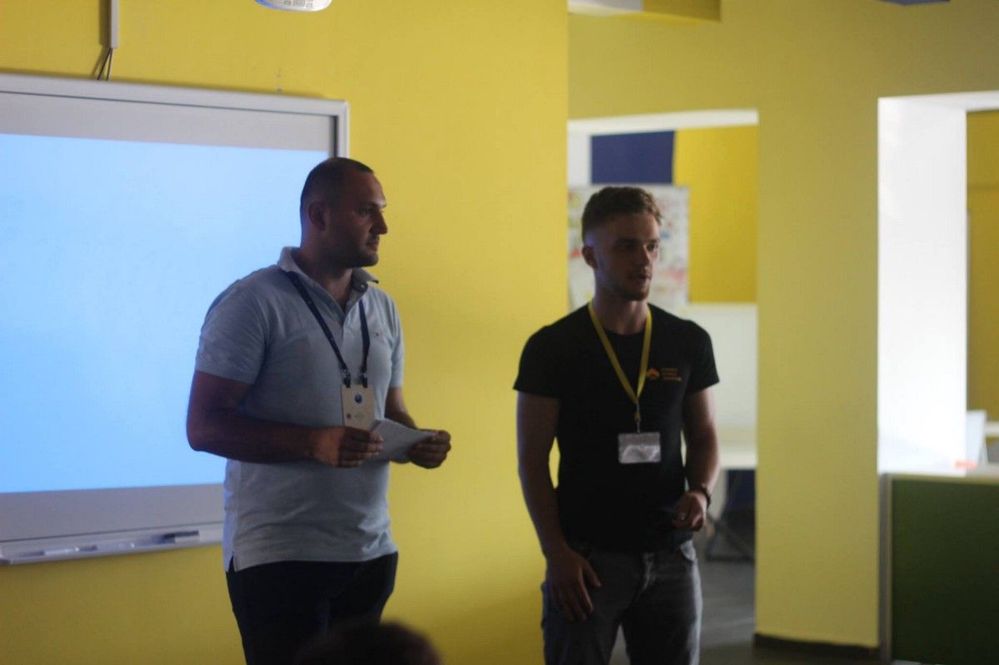
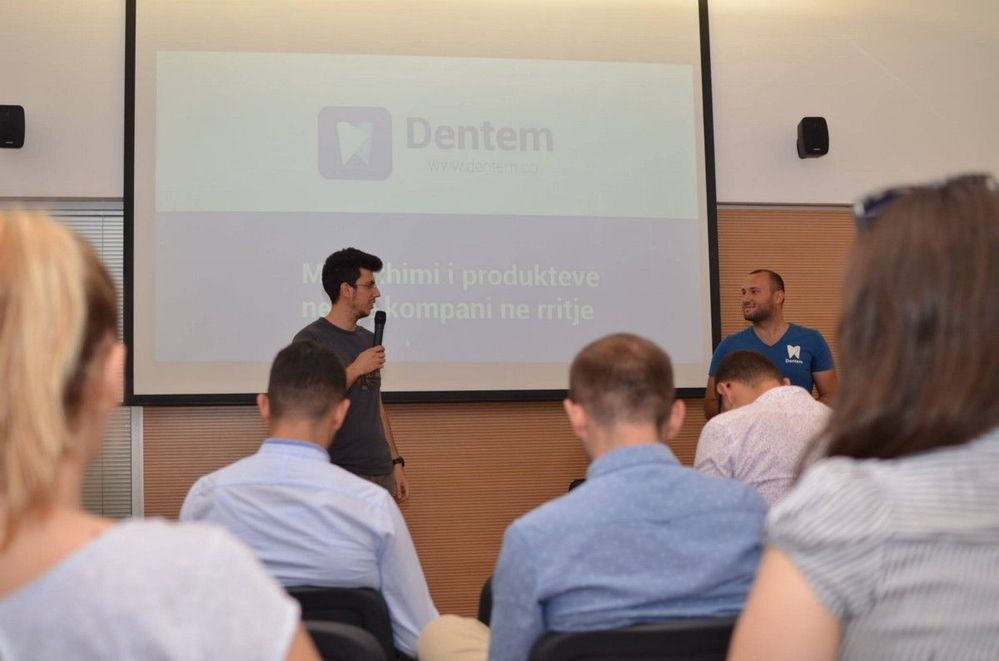
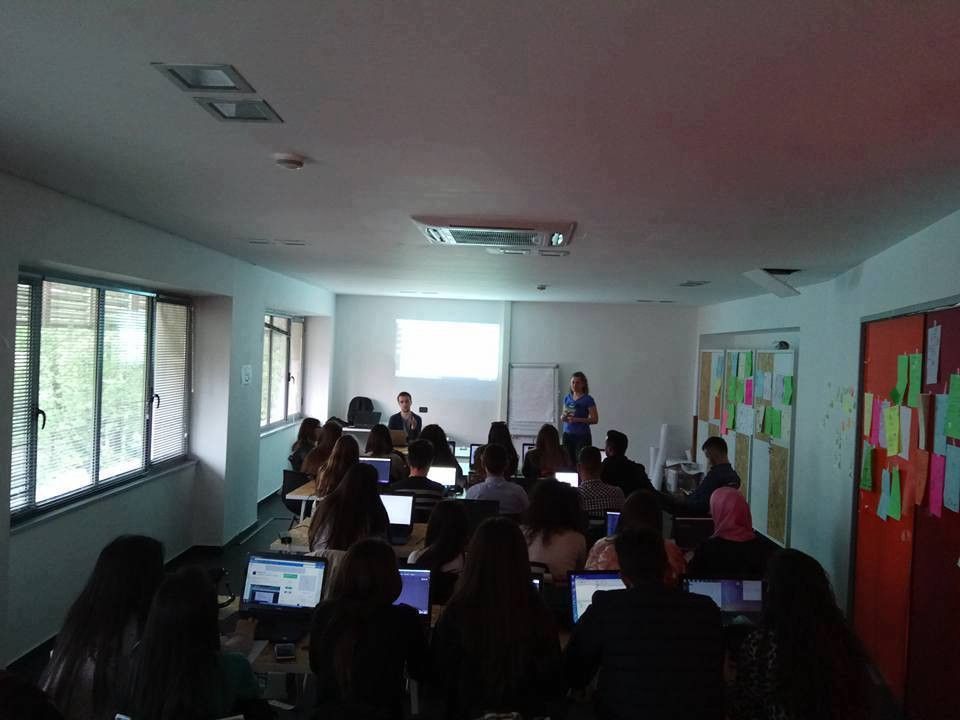
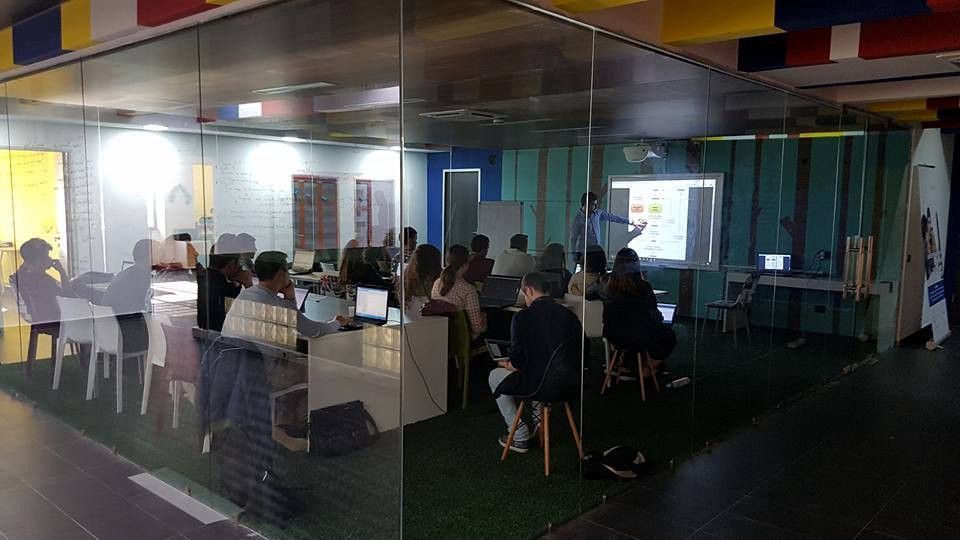
Arnold Schwarzenegger once said in a speech in front of university students “Call me anything, but never call me a self made man!” and he was right about one thing. None of us individually or as companies are self made. We work hard but together with the help of the people that support us we grow and get better.
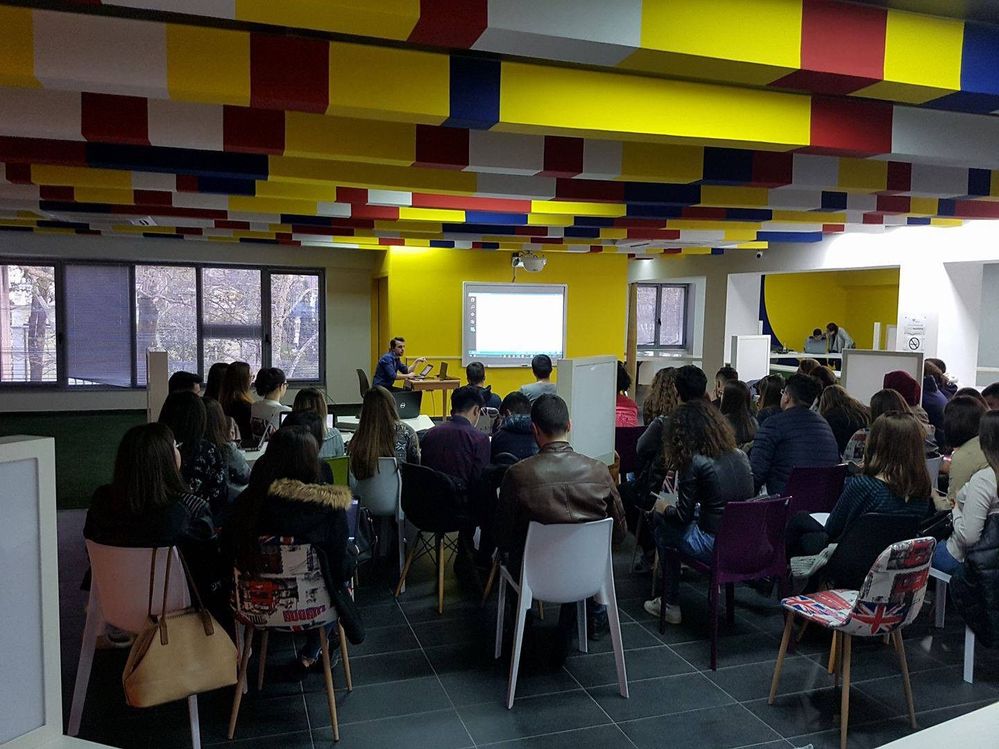
Since our early days we thought of giving back to the community a little bit of ‘us’. Our time, our help in product and our support. As of late we have helped hundreds of young developers get into coding and tens of new entrepreneurs think of starting up. But we are not even stopping here. We are helping more and more developers and young boys and girls get into coding to one day become better developers and join great companies in their future. And as well help new startup founders with our network and advice. And to top it all of we are thinking of giving back more with product and health.
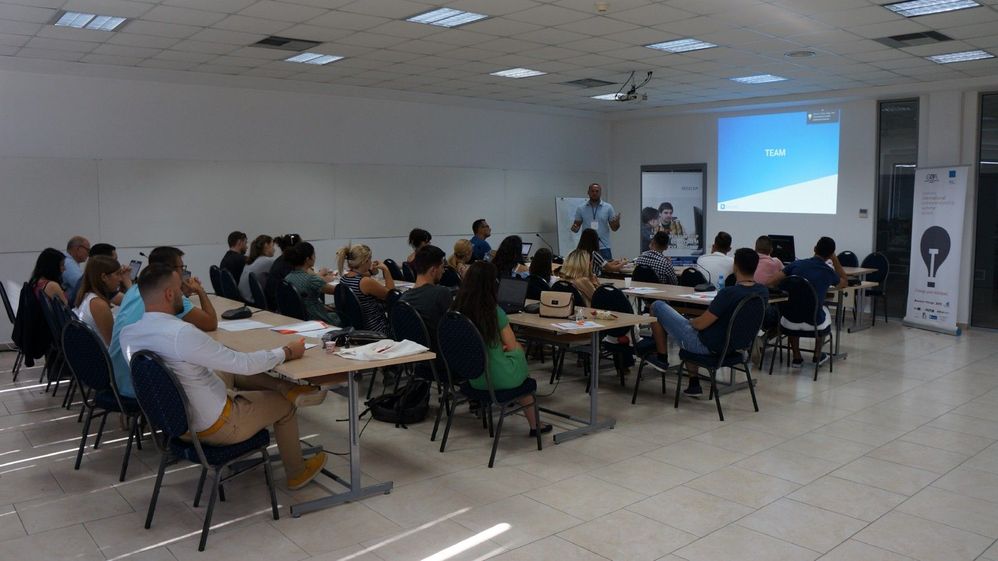
We are drafting a clear action plan to how we can give back something that will last long and create a meaningful impact in a lot of people lives. Stay tuned fore more.
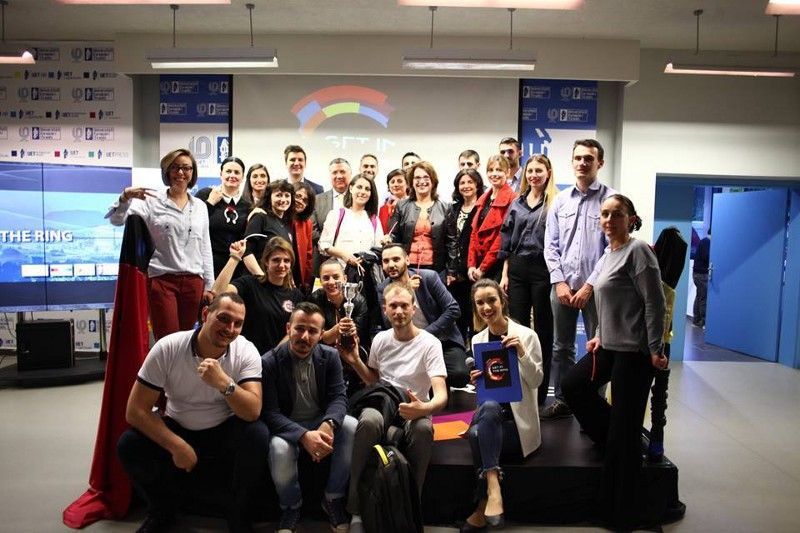
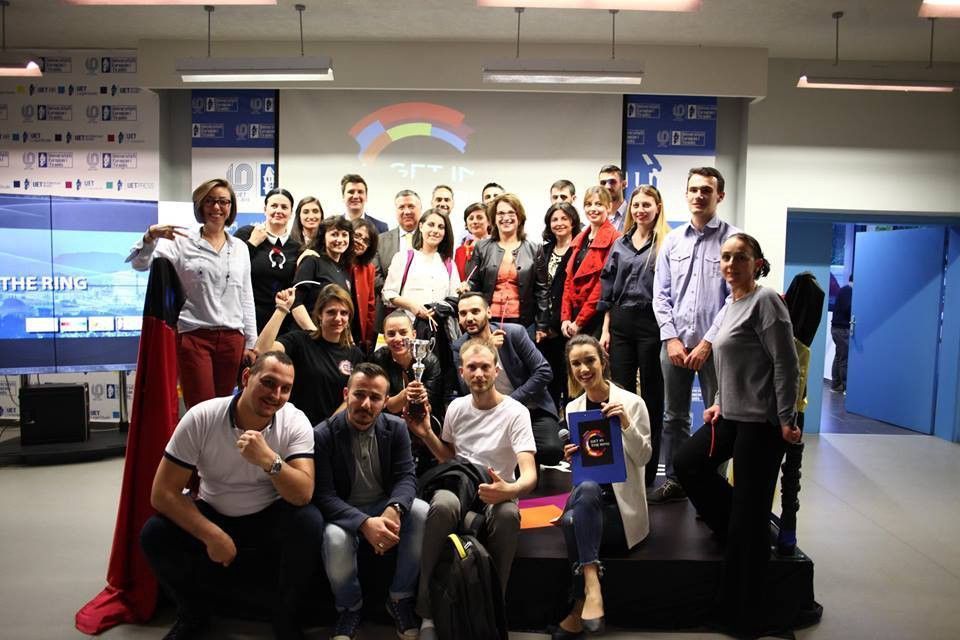
We urge all companies young and old. Big and small to join this great movement. http://www.pledge1percent.org/
#TeamDentem #PledgeOne #GivingBack

To view original article, click here.
SILICON SLOPES, Utah, Sept. 21, 2017 /PRNewswire/ — Pluralsight, the enterprise technology learning platform, today announced Pluralsight One, the company’s social impact initiative dedicated to closing the technology skills gap. The initiative will support nonprofit organizations and amplify their impact by equipping them and the people they serve with the technology skills needed to solve the world’s greatest challenges. As part of the company’s overall social impact efforts, Pluralsight also joined the Pledge 1% integrated philanthropy movement, committing to donate one percent of its product, time, profit and equity to uplift communities around the world.
“Pluralsight One brings us one step closer to solving the technology skills gap. By partnering with nonprofits and providing them with the best platform for learning and advancing technology skills, together we will address the root issues that are hindering global progress,” said Aaron Skonnard, co-founder and CEO of Pluralsight. “Joining Pledge 1% will accelerate our ability to democratize technology, and we are excited to see the future this creates.”
As a first step to developing its social impact program, Pluralsight today will launch a significant needs assessment of the nonprofit sector using Directed Discovery, the product development framework pioneered by Pluralsight’s Chief Experience Officer Nate Walkingshaw. The data and insight gathered throughout the Directed Discovery process will empower the company to better design its offering in response to the complex needs of the social sector. Pluralsight will work closely with organizations, including Code.org, International Rescue Committee, NetHope, Samasource, STEM Action Center, TechSoup, and other global nonprofits to co-create programs that will have high impact and deep relevance. Pluralsight is also asking nonprofit organizations to share their insights and needs at pluralsight.com/one#get-involved.
“The high-speed pace of technological change is introducing new types of vulnerability for those who are underserved or impoverished. Through Pluralsight One, advancements in technology learning will now provide these same groups with incredible opportunities to solve complex, global challenges and create solutions for a better, more abundant world,” said Lindsey Kneuven, head of social impact at Pluralsight. “We look forward to embarking on our Directed Discovery journey, building a strong ecosystem of partners and launching a leading social impact program.”
To learn more about Pluralsight One, visit pluralsightone.org.
About Pluralsight
Pluralsight is an enterprise technology learning platform that delivers a unified, end-to-end learning experience for businesses across the globe. Through a subscription service, companies are empowered to move at the speed of technology, increasing proficiency, innovation and efficiency. Founded in 2004 and trusted by Fortune 500 companies, Pluralsight provides members with on-demand access to a digital ecosystem of learning tools, including adaptive skill tests, directed learning paths, expert-authored courses, interactive labs and live mentoring. For more information, visit pluralsight.com.

SAN FRANCISCO – September 18, 2017 – TechCrunch, a leading technology media platform, announced today at TechCrunch Disrupt San Francisco that it has joined Pledge 1%, a global movement to make giving back part of every company’s DNA. TechCrunch’s Pledge 1% commitment underlines the company’s ongoing efforts to support local communities and the next generation of entrepreneurs.
“TechCrunch is proud to join Pledge 1% and further our commitment to helping entrepreneurs and the next generation of leaders,” explains Ned Desmond, COO of TechCrunch. “We are especially excited to announce our pledge at TechCrunch Disrupt with so many emerging and established companies present. We encourage those at the conference and in our wider community to join us in making giving back a key aspect of your business.”
By announcing their commitment at TechCrunch Disrupt, the company’s flagship event, TechCrunch is creating a new benchmark for Pledge 1% member companies to “pledge it forward,” or encourage other companies to join them in taking the pledge. From the pre-event announcements to the Startup Alley floor, TechCrunch is integrating Pledge 1% into its core messaging, inviting both startups and attendees to join them in giving back through their businesses.
“TechCrunch’s commitment to not just pledging 1% themselves, but to leveraging their platform and events to encourage other companies to do so is setting a new standard for companies to be leaders of the broader Pledge 1% movement,” says Amy Lesnick, Chief Executive and President at Pledge 1%. “They are integrating Pledge 1%’s values and the ‘pledge it forward’ ethos into every level of their business. By doing so, TechCrunch is having a tremendous impact on changing the philanthropic culture within the tech industry.”
In addition to this week’s TechCrunch Disrupt in San Francisco, TechCrunch will pledge it forward at TechCrunch Disrupt Berlin this December and at all future Disrupt events.
TechCrunch has also been actively promoting diversity by applying resources uniquely available to TechCrunch, including our editorial and events platforms, and by exemplifying the diversity mission in TechCrunch’s own staffing and culture.
About TechCrunch
TechCrunch is a leading technology media property, dedicated to obsessively profiling startups, reviewing new Internet products, and breaking tech news. Founded in June 2005, TechCrunch and its network of websites now reach over 14 million unique visitors and draw more than 42 million page views per month. The TechCrunch community includes more than 9 million friends and followers on Twitter, Facebook, LinkedIn, Google and other social media. Crunchbase, TechCrunch’s open database about start-up companies, people and investors, has become the leading statistical resource for technology companies and transactions. The company hosts major conferences and events, including the Disrupt series, TechCrunch Sessions, and various meet-ups worldwide serving as community platforms for industry conversation and collaboration.
About Pledge 1%
Pledge 1% is an effort spearheaded by Atlassian, Rally, Salesforce and Tides to accelerate their shared vision around integrating philanthropy into businesses around the world. Pledge 1% encourages and challenges individuals and companies to pledge 1% of equity, product and employee time for their communities, because pledging a small portion of future success can have a huge impact on tomorrow. Pledge 1% offers companies turnkey tools and best practices, making it accessible for any company to incorporate philanthropy into their business model. To learn more or to take the pledge, please visit www.pledge1percent.org.

Originally published at TechPoint.org.
Over the past few months, I’ve had several conversations about philanthropy and what we, as part of the tech community, are doing to give back to those in need. The same question always pops into my head:
Why do we give back?
As companies in the tech community, do we champion philanthropy because it’s good PR? Do we do it because our team members and boards ask for it? Do our efforts go beyond our tech bubble and actually provide benefits to the broader communities in which we live and work?
Maybe the most reflective question of them all is this: Are we helping the community — or are we helping ourselves?
Some organizations do various philanthropic activities. Some may even think that we are huge philanthropists.
Every year, events like Giving Tuesday come up, and company leaders are quick to jump on the bandwagon. You see tweets about how employees took half a day to clean up a street or plant some trees. Don’t get me wrong, we do these things too, and they are important contributions that make communities better places to work and live.
Many people, including me, think there are still huge gaps, a notion that’s supported by tech companies who only add philanthropy as part of their principles after an IPO. After initial funding. After success. After profits. After the company is secure and even thriving.
For leaders and business owners, the financial commitment of many philanthropic opportunities can be a burden early on, an added stress to starting a business and keeping it successful. What I propose, however, is a new way to look at philanthropy, one that begins with a different type of IPO.
A Different IPO: Initial Philanthropic Opportunity
What if instead of a nice-to-have, we treated philanthropy as an integral part of doing business?
This is where the idea of an Initial Philanthropic Opportunity comes into play, and it can help answer that question I proposed earlier: Why do we give back?
I’m the son of a truck driver and a hair stylist. I was raised in a modest environment, even poor by most standards. Nevertheless, my parents stressed the importance of helping people who were less fortunate than us. While we didn’t have a lot of money, my parents had a strong belief to give back to our church, our community and to other families who needed help buying groceries.
My parents didn’t attend big fundraising dinners. They never had buildings named after them. Instead, they quietly helped out wherever they could, and they taught us the importance of giving back — even if it’s a small amount or tiny gesture.
And that’s the key. Your Initial Philanthropic Opportunity can be anything. It doesn’t have to make headlines or generate social media buzz. It sure as heck doesn’t need to make you a superstar.
In a recent search of large local arts and medical charities, I’ve noticed that the tech community is largely missing. We should be present. And we should be leaders in philanthropy.
Tech companies: join the fun! You don’t have to wait until you reach your IPO to do some good. As we all know, statistics show that many new businesses won’t make it more than a few years. The important thing is to start helping now, however you can. Then, if you make it big, you’ll be ready to do even more because it will have always been a part of who your company is.
So, how do you make philanthropy a core piece of your business and take advantage of your Initial Philanthropic Opportunity?
Seize Your Initial Philanthropic Opportunity
When first starting out, consider different types of philanthropic opportunities, such as getting involved in a local non-profit organization, providing consultation at no cost or offering in-kind donations of your services or products.
Notice I didn’t say you had to give away a pile of cash — there’s more to philanthropy than just the financial side. For many companies (and their employees), the option of sharing time or expertise may be more appealing than dipping into their own pockets. This is one way to increase involvement early in your company’s growth without breaking the bank.
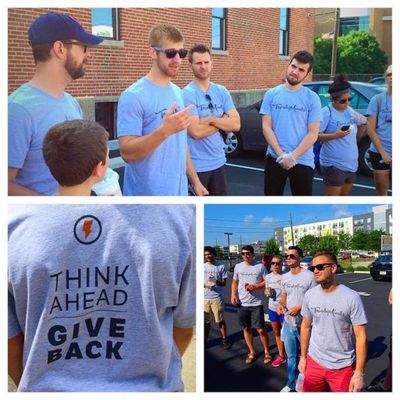
At TrendyMinds, we started small. Starting with our founding in 1995, we requested 10-15 “Letters to Santa” from NYC kids. Before having our holiday party, our team would hit the malls and buy presents for these children in hopes our gifts would brighten their lives and give them something to smile about. Was this a huge investment? No. Did it establish a foundation for future growth that we still build upon to this day? Absolutely.
In 2016, we formalized our philanthropic program even more by joining Pledge 1%. We promised to donate one percent of our equity, time and product to philanthropic causes each year. Even though we’ve grown our philanthropic efforts during the past 22 years, we’re by no means finished.
As entrepreneurs, we are no strangers to finding creative solutions that solve complicated problems. Working philanthropy into the tight budget and demanding schedule of running a startup is exactly the kind of puzzle we love to figure out. In the tech sector, it’s still something we need to figure out, and it begins with being deliberate.
It begins with answering that question: Why do we give back? It begins with seizing that Initial Philanthropic Opportunity, no matter how small, and making philanthropy a part of our foundational principles. And, perhaps most importantly, it doesn’t end.
About the Author
 Trevor Yager founded TrendyMinds while still a student at Anderson University. Today, he provides strategic planning, business development, marketing and technology guidance and support to local, national and international clients across the agency.
In 2009, Junior Achievement recognized Trevor as one of “Indy’s Best and Brightest,” and in 2011, Indianapolis Business Journal named him one of Indianapolis’ “Forty Under 40.”
Trevor serves as chair on the Board of Visitors for Jordan College of the Arts at Butler University and was appointed by Indiana Governor Mitch Daniels to serve as a commissioner on the Indiana Arts Commission, where he became chair in June 2013. He has been featured as a regular “Insider” on Inside Indiana Business and has been featured in outlets including MSNBC, ABC News, Politico, The Advocate, The New York Times, The Washington Post, PR Week, The Indy Star and Indianapolis Monthly.
By Bruce DeBoskey. Originally published in the Chicago Tribune.
Many entrepreneurs think of philanthropy as something to consider way off in the future when their businesses are mature and profitable. There is a better approach. Philanthropy works best when it is included in a company’s business plan from the very start, growing and prospering over the years as the company itself grows and prospers.
Each month, more than 500,000 people create new businesses in the United States. Some founders dream that their ventures will become high-tech giants like Google or Facebook, while others pursue more modest goals. At the very least, they all hope to make a living. At the very best, they hope to strike it rich.
By inserting philanthropy into the very DNA of a startup, entrepreneurs make community engagement an organic part of the organization. This simple step enhances recruitment, productivity, sales and ultimately the bottom line. At the same time, it builds stronger and healthier communities in which to live and work.
“Business is the only force on the planet large enough to correct the environmental and social justice problems we created in the last century,” said Ryan Martens, chief technology officer of Rally Software. He encourages startups to commit from the very beginning, when their shares are worth little, rather than waiting until an exit is near.
“New companies should put a stake in the ground from the very start,” said Seth Levine, managing partner of Foundry Group. “Company-building does not happen in a vacuum. Rather, a company’s success results in part from the health of the community in which it operates.”
Pledge 1% is an organization that helps startup companies leverage a small portion of their future success to support nonprofits in their communities, making them stakeholders in the business and vice-versa. The organization helps companies pledge 1 percent of equity, volunteer time and/or products in support of their communities.
The Telluride Foundation takes a somewhat different approach with its Venture Accelerator, which uses its donations and grants to help fund startups with a $30,000 “investment” in return for 5 percent equity or debt in the form of a loan that may convert to equity. Then, using a typical business accelerator model, it provides mentorship, coaching and other tools to help these startups succeed. If the company achieves success, the money earned becomes available to the community foundation to fund additional startups.
Since 2012, 18 startup companies have graduated from the Telluride Venture Accelerator program, raising over $1 million, relying on the assistance of more than 90 mentors and creating 87 jobs.
“If the philanthropic community is serious about systemic change, it needs to look at more than grant-making and advocacy, and make some riskier venture philanthropy investments,” Telluride Foundation President and CEO Paul Major said. “Such social investments have real potential to create self-sustaining economic ecosystems bringing innovation, jobs and ideas to communities.”
At birth, most startups have high hopes but low dollar value. At this time, it is quite easy to make the commitment to donate “1 percent of nothing” to community philanthropy.
By doing so, a young business aligns itself with others with similar goals, gains access to additional resources, creates a culture of “paying it forward” for employees and customers and improves its chances of long-term success.
ABOUT THE WRITER
Bruce DeBoskey is a philanthropic strategist working with The DeBoskey Group (www.deboskeygroup.com) to help businesses, families and foundations design and implement thoughtful philanthropic strategies and actionable plans. He is a frequent speaker at conferences and workshops on philanthropy. Readers may send him email at bruce@deboskeygroup.com.

Originally posted on PagerDuty.
SAN FRANCISCO – September 6, 2017 – PagerDuty, the global leader in Digital Operations Management, today announced its commitment to Pledge 1%, a corporate philanthropy movement dedicated to making the larger community a key stakeholder in every business. The pledge strengthens PagerDuty’s social responsibility initiatives through inclusivity efforts with community partners, empowering volunteerism and driving the launch of PagerDuty.org to support nonprofits.
“Digital services play an essential role for communities and organizations outside the traditional realm of technology. As a leader in Digital Operations Management, we are enthusiastic to support these efforts with the tangible resources they need,” said Jennifer Tejada, CEO, PagerDuty. “Through our commitment to Pledge 1% and the launch of PagerDuty.org, we continue to create opportunities for those working hard to make a difference in the world, and helping them solve the digital challenges their organizations face. We ask you join us in inspiring others to participate in the movement.”
PagerDuty joins Pledge 1% with the commitment to donate 1% of equity, 1% of product and 1% of employee time in order to give back, help the community meet their digital needs to operate effectively towards their mission, as well as continue to promote employee volunteerism.
“We are incredibly excited that PagerDuty has taken the pledge,” said Amy Lesnick, CEO, Pledge 1%. “PagerDuty will play a pivotal role in building this movement and promoting a new normal in which all companies—big and small—integrate giving back as a core value in their business. With their focus on helping nonprofits that could benefit from digital operations excellence, PagerDuty is a welcome addition to an impressive network of entrepreneurs and companies across the globe that have committed to philanthropic efforts.”
PagerDuty’s effort continues through the company’s support for inclusivity across the company and the wider technology industry. The company has partnered with some of the most promising organizations making a significant impact in the diversity of the tech workforce, by offering sponsorship, program advocacy, career coaching and recruitment opportunities. Our partners include Girls in Tech, a global nonprofit focused on the engagement, education and empowerment of girls and women who are passionate about technology, Hackbright, the leading software engineering school for women with a mission to increase female representation in tech. Additionally, Code2040, an organization that creates pathways to success for Black and Latinx people in the innovation economy and HITEC, Hispanic IT Executive Council, a global executive leadership organization chartered with developing the next generation of leaders in information technology.
“We’re thrilled to partner with PagerDuty, who shares our commitment to diversifying tech by creating pathways to success for Black and Latinx technologists. It’s by working with companies like PagerDuty that we not only create opportunities for our Fellows, but also ensure companies have the insight needed to create lasting change and build inclusive cultures,” said Laura Weidman, co-founder and CEO, Code2040.
In addition to joining Pledge 1%, PagerDuty launched PagerDuty.org, a program designed to work with passionate nonprofit partners, so that they can leverage the PagerDuty Digital Operations Management platform and solutions to make a positive impact in their mission. The company will offer a preferred pricing model based on the needs of the organization with the goal of setting them up for success.
If you are a company making an impact in the community and would like to get involved with PagerDuty.org, please contact info@pagerduty.org.
About PagerDuty
The PagerDuty® Digital Operations platform is the leading SaaS solution that empowers developers, DevOps, IT operations and business leaders to prevent and resolve business-impacting incidents for exceptional customer experience. More than 9,000 small, mid-size and enterprise global customers such as Comcast, Lululemon, IBM and Panasonic use and trust PagerDuty to maximize their time and increase their business response and efficiency. When revenue and brand reputation depends on customer satisfaction, PagerDuty arms businesses with the insight to proactively manage incidents and events that may impact customers across their IT environment. Headquartered in San Francisco, the company was recently listed in the 2016 Deloitte Technology Fast 500, Inc. 500 and Forbes 2017 Cloud 100 lists. Try PagerDuty for free at www.pagerduty.com. Follow our blog and connect with us on Twitter, LinkedIn, YouTube and Facebook.
About Pledge 1%
Pledge 1% is an effort spearheaded by Atlassian, Rally, Salesforce and Tides to accelerate their shared vision around integrating philanthropy into businesses around the world. Pledge 1% encourages and challenges individuals and companies to pledge 1% of equity, product and employee time for their communities, because pledging a small portion of future success can have a huge impact on tomorrow. Pledge 1% offers companies turnkey tools and best practices, making it accessible for any company to incorporate philanthropy into their business model. To learn more or to take the pledge, please visit www.pledge1percent.org.
By Philip Rojc. Originally published on Inside Philanthropy.
When Salesforce founder Marc Benioff pledged to donate 1 percent of equity, 1 percent of product and 1 percent of employee time in 1999, tech philanthropy looked very different than it does now. Back then, there was far more compartmentalization between doing well and doing good. The standard approach to philanthropy by business leaders involved making a whole bunch of money and then distributing it, possibly after retirement, through a big private foundation. Gates is the operative example.
But Benioff’s model, which has been dubbed 1+1+1, envisions active philanthropy as a key part of a tech business from the start. That mindset is more in line with the thinking of younger tech winners like those who made their fortunes through Google and Facebook. Millennial entrepreneurs, it’s been widely noted, don’t tend to put their varied interests—business and philanthropic—into separate boxes. They’re more likely to blend them together.
As we’ve written before, the next wave of tech philanthropy may look a lot like Benioff’s Salesforce model, with a greater emphasis on spreading philanthropic norms and a “culture of giving” through the startup world, and not just among founders, CEOs and ultra-wealthy investors. The Pledge 1% movement, which has attracted over 1,500 tech companies, is looking to carry Benioff’s 1+1+1 theme throughout the industry.
Okta, Inc. took the pledge last fall. At that time, the cloud-based application integration company also rolled out Okta for Good, its corporate responsibility arm, and offered IT products for free to a number of nonprofits. Okta’s been around since 2009, so it’s not exactly brand new. But the official Pledge 1% campaign, now housed at Tides Foundation, only dates to 2014. Okta’s philanthropic commitment is still an early one, considering fact that the company just had its IPO this April.
Following a successful IPO, Okta is now debuting the Okta for Good Fund. According to Okta for Good’s executive director, Erin Baudo Felter, Okta’s philanthropy will be aligned closely with its overall mission. Okta’s products securely integrate the cloud-based apps organizations use, and as Felter told me, the “theme of connecting people in tech is what we’ve been focusing on since our inception.”
NetHope, the Okta for Good Fund’s first grantee, is all about connecting people through tech. With a membership of over 40 NGOs operating internationally, NetHope’s goal is to boost connectivity and information sharing in response to humanitarian and health crises. On its face, tech company rhetoric about the power of internet access in rural Africa can seem self-serving. But NetHope also addresses a real challenge: setting up the lines of communication necessary to make aid resources count on the ground.
With supporters like Google, Microsoft, Cisco, the Paul Allen Foundation and the MacArthur Foundation, NetHope has been a hit among tech philanthropists, and others besides. It also speaks to the broader hope of many companies who’ve taken the pledge: to give in multiple ways that cross-pollinate with each other.
At NetHope, Okta is joining Microsoft as a founding partner of the Center for the Digital Nonprofit, an initiative that builds on NetHope’s experience “examining and building a deep understanding of how global humanitarian nonprofits are engaging with technology,” as NetHope CEO Lauren Woodman puts it.
Back at Okta for Good, the game plan is to continue building out the company’s 1+1+1 giving. Throughout our conversation, Felter made it clear that Okta wants to spread that “culture of giving” ethos that characterizes Pledge 1% philanthropy. Through an enhanced employee impact program, she wants to give Okta employees a better sense of how to think about social impact in their own lives, as well as through their work at Okta.
Felter’s also pretty sanguine about tech philanthropy in general. “My peers and I are seeing this next wave of companies embed philanthropy in their work earlier. We’re setting this up early and making significant decisions about what kind of structures to put in place.” She also said, “With its three distinct buckets, [Pledge 1%] is a great framework for leaders of companies who don’t have experience with social responsibility work.”
Felter herself comes to Okta for Good with previous stints in CSR at Zynga, Yahoo and Warner Bros. Okta is a newer company, and she sees its philanthropic profile as somewhat different from that of her previous employers. “A lot of what we want to do right now is learning and listening,” Felter said.
The partnership between Pledge 1% and Tides has been a big part of that learning process. Of Tides, Felter said, “We appreciate that they have a focus on issues; they’re not agnostic. We also need to soak up as much knowledge and learn as much as possible. Tides is the best partner to help us learn and take into account all sides. Our Tides advisor helps us see things from the perspective of the community or the nonprofits.”
The role of Tides in scaling Pledge 1% is noteworthy since many people tend to think of the Silicon Community Foundation as the mothership of tech philanthropy. Clearly, though, Tides—another top Bay Area funding intermediary, but one with a more progressive worldview—is getting a piece of this growing action, too.