Reflecting on the recent Pledge 1% event hosted at our Melbourne offices, we were reminded that local action is the heartbeat of global change. Seeing the immense potential of corporate volunteering firsthand reinforced how our community commitments contribute to the incredible impact we are witnessing worldwide.
Rosterfy’s global footprint was recently recognised at the UN-partnered World Summit Awards in Vienna. However, the true value of presenting on the international stage wasn’t just the recognition—it was the powerful opportunity to spotlight our customers’ life-changing work.
At Rosterfy, our Pledge 1% promise is driven by the privilege of empowering organisations to mobilise volunteers at scale. We are incredibly proud to provide the platform powering volunteer programs for over 300 global customers, including:
- OzHarvest (APAC): 3,000+ volunteers distribute 750,000 meals weekly and divert 15,000 tonnes of food from landfill every year.
- End Overdose (USA): 2,000 volunteers educate communities on opioid addiction risks.
- WaterAid (UK): 650+ volunteers at Glastonbury funding clean water for remote African communities.
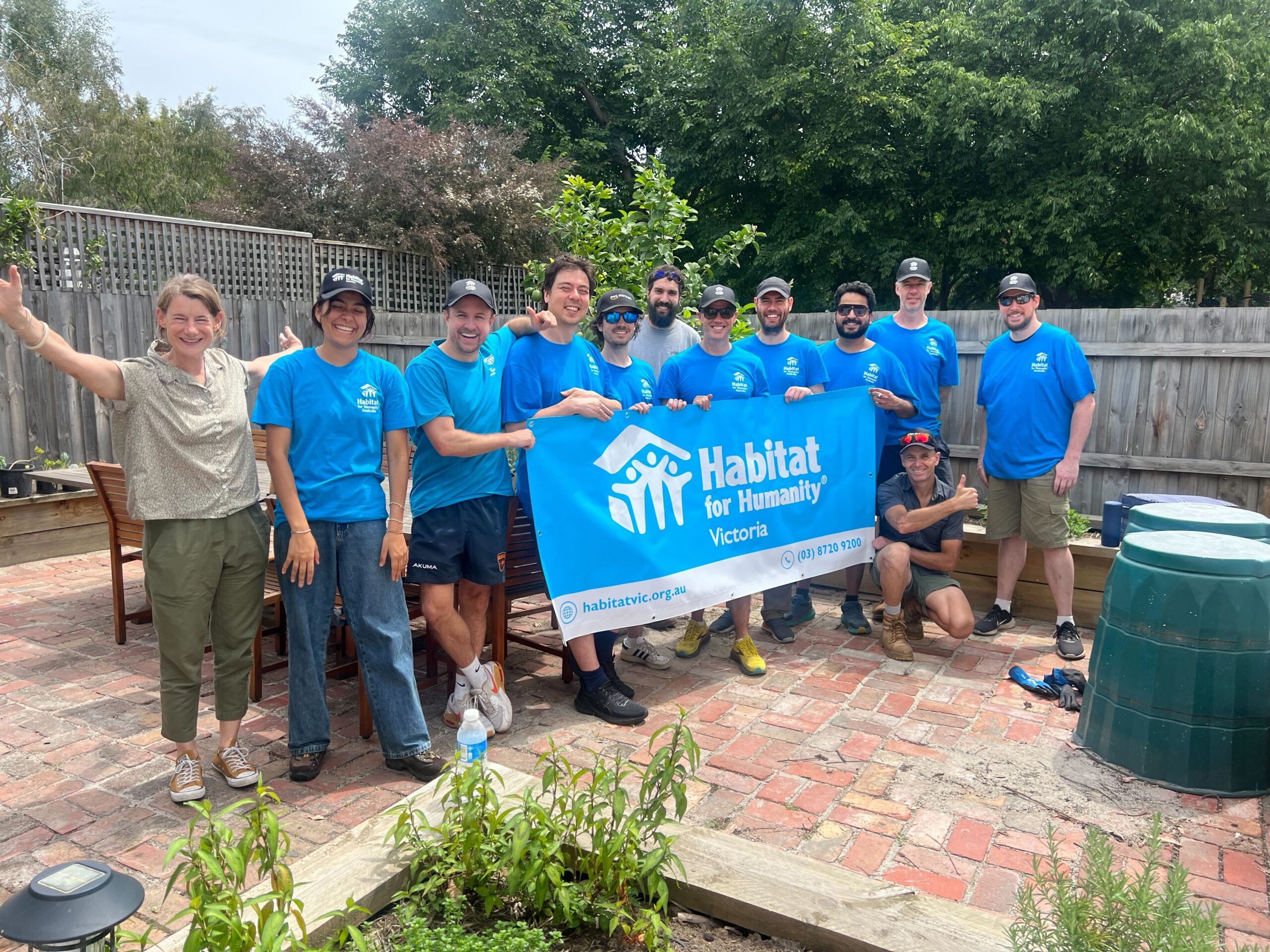
Our Melbourne event, alongside Orange Sky Australia and Foodbank Victoria, highlighted a critical trend: the increasing gap foodbanks face in corporate engagement, particularly in Australia. In response, our team is actively coordinating Rosterfy volunteer days toward the organisations that need it most—achieving our 1% goal while addressing this vital community need.
Beyond our own team’s efforts, this is exactly where our technology comes in. By seamlessly connecting NFPs with corporate partners, Rosterfy’s platform bridges a critical technology gap in employee volunteer engagement. The insights gained from our recent event are directly feeding our product roadmap, ensuring we can better support organisations in achieving their Pledge 1% goals well into the future.
To our team, partners, and customers driving change: we are proud to power your work.
At Supermums, we provide Salesforce customers with training and consultancy support to manage their systems and provide an upskilling program to help women and others launch their career in the eco-system. This is how we commit 1% of our time, product, and profit:
1% of Time
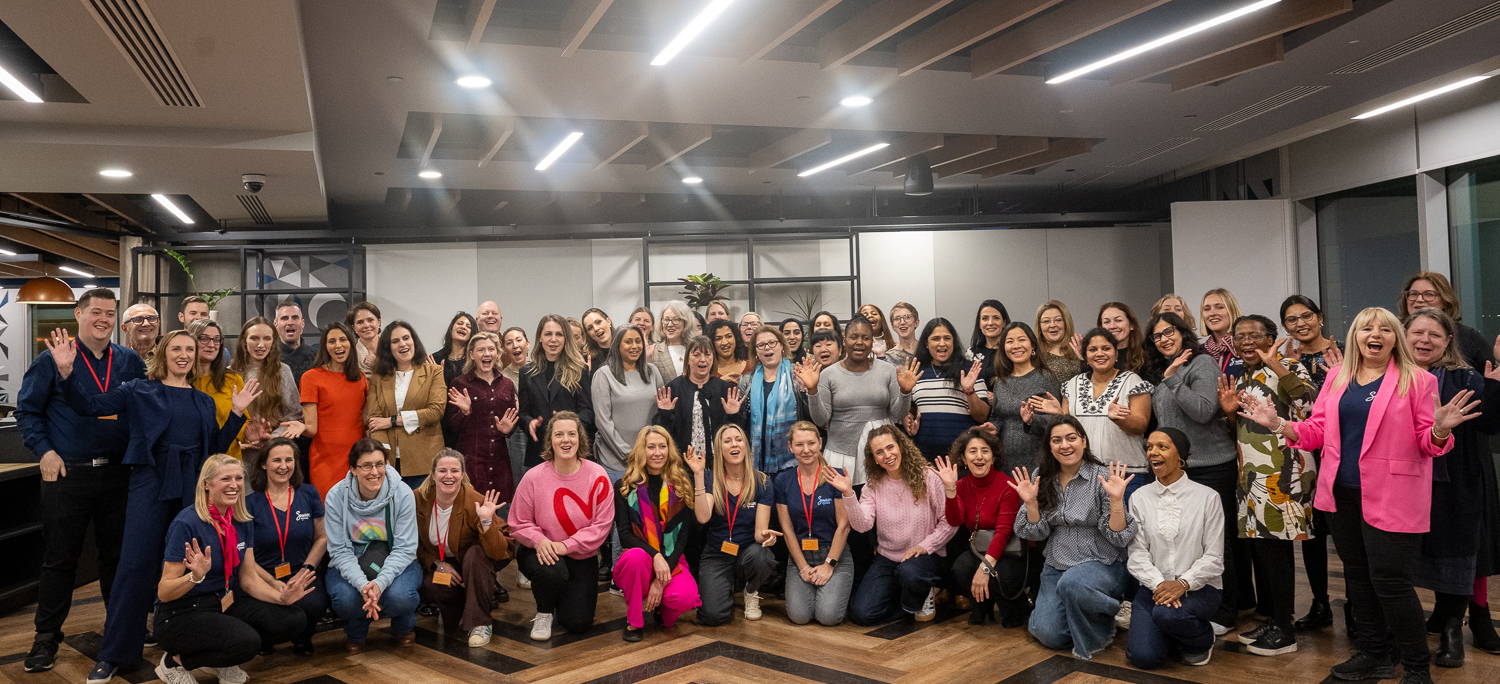
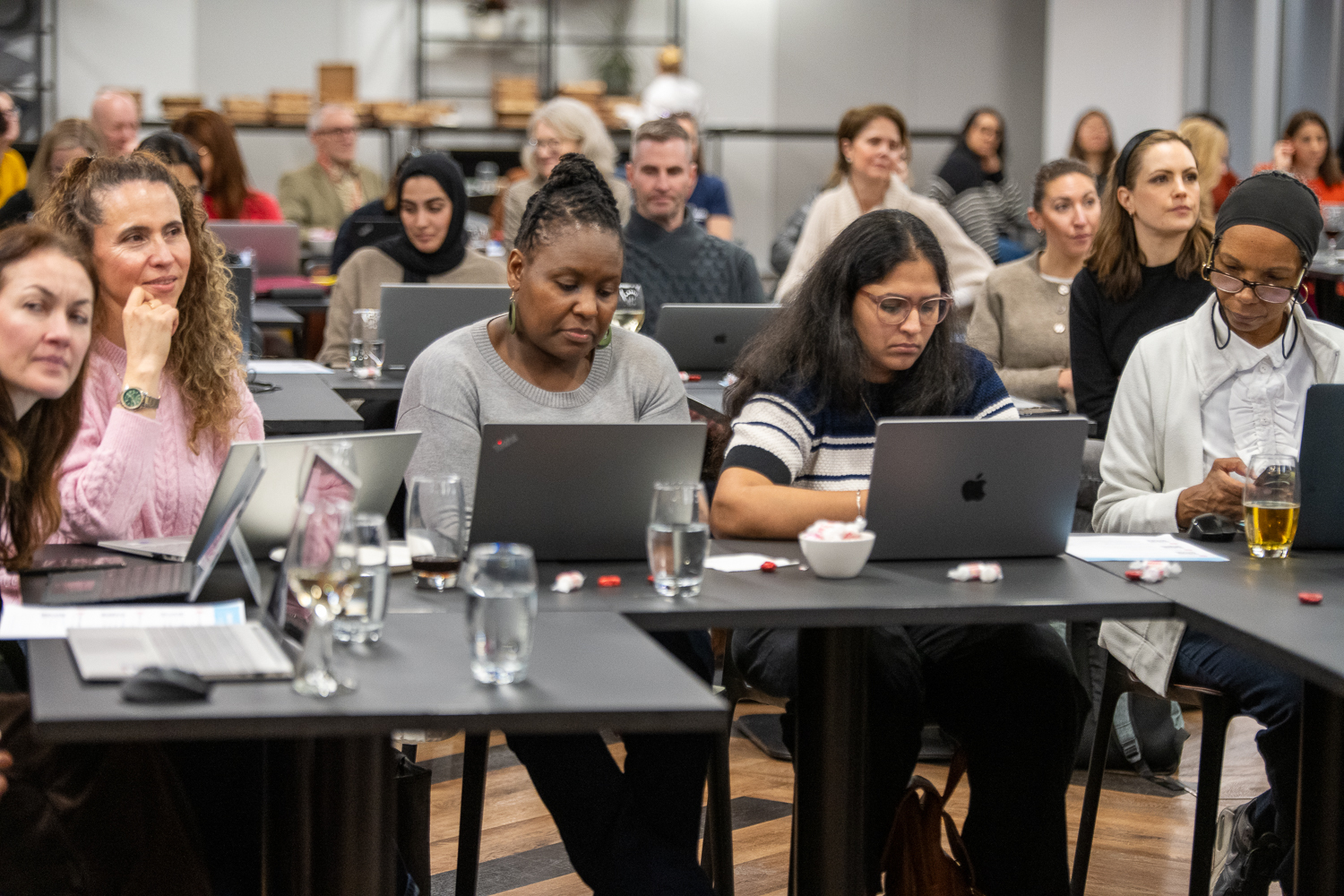
The trainees who engage in our training courses contribute 48 hours of pro-bono volunteer hours for our non-profit clients. Over the last ten years, our trainees have contributed 44,000 hours to over 200 non-profits, with over 7, 300 hours donated throughout last year alone.
1% of Product
We have actively raised funds through the sales of two of our authored books, Become a Super Salesforce Consultant and Become a Super Salesforce Administrator and have given 1% equivalent of our annual training turnover (equal to £5,000) as bursaries for two people to join our Ultimate Salesforce Admin Courses for free. To select the beneficiaries, we partnered with charitable organizations to nominate women who have suffered from domestic violence or have been refugees.
1% of Profit
Supermums Training is a Community Interest Company. 100% of our profit is reinvested back to activities and operations that further our social mission of:
- Educating women about flexible well-paid careers in tech
- Supporting women returners to relaunch their career
- Helping women progress up the career ladder to tackle the gender pay gap
We have annually sponsored communities of women looking for flexible well-paid work, namely Career Returners, Flexible Working People, and Investing in Women, spending £24K a year delivering a series of free educational events, and providing free courses and downloadable education resources. Overall, we have engaged over 10,000 women to educate them about career opportunities in tech and AI, and upskilling them in AI and Salesforce. Last year, we engaged 3,000 women in this initiative.
“Pledge 1% has made us accountable to think how we can go one step further to making an impact beyond our primary social mission and commercial goals. As a socially driven organization, we already strive to make an impact, but Pledge 1% makes us think about how we use our resources to give more time, money, and product and make an even bigger difference.”
Learn more about how Supermums is making a difference:
There is a question most companies never ask themselves: are we genuinely preparing our people for what comes next — or are we just hoping they keep up?
At MIDCAI, that question became the foundation of everything we now call the Thriving Multiplier. It is our answer to a world where the rules of work are being rewritten faster than most organisations can respond to. And it started not with a giving programme, not with a cause, but with a decision to look inward first.
We are a 20-person Salesforce consulting team working across Agentforce, Data Cloud, Field Service, MCN, and ITSM. We joined Pledge 1% because we believe business can be a force for positive change. But when we sat down to define what that meant for us, we kept arriving at the same uncomfortable truth: giving back to the world outside our walls would ring hollow if we hadn’t first made a real commitment to the people inside them.
So we pledged inward. And we let the impact follow.
The Part Most Companies Skip
Most conversations about corporate responsibility skip straight to the outward gesture — the cause supported, the cheque written, the volunteer day booked. All of it matters. But there is a version of giving back that is quieter, less photogenic, and arguably more powerful: the daily commitment to make the people building your company genuinely ready for the skills our work now demands
Not just employed. Not just productive. Ready.
In a world being reshaped by AI, that distinction has never mattered more. The companies that will create lasting impact — for their clients, their communities, and the wider ecosystem, are the ones whose people are equipped, confident, and growing. Everything else depends on that foundation.
That is where the Thriving Multiplier begins.
Skills That Last
Every person at MIDCAI is actively building Salesforce certifications and deep AI expertise: in Agentforce, Data Cloud, Field Service, and beyond. This is not a training calendar item. It is a living commitment that sits at the centre of how we operate.
We made this decision because we believe the most human thing a company can do right now is refuse to let its people get left behind. The AI era is not coming; it is already here. And the gap between the world moving forward and the people inside an organisation being prepared to move with it is where most companies quietly fail their teams.
At MIDCAI, we close that gap consciously. Because a career built on yesterday’s skills is not a career; it is a countdown. And no one on our team should be counting down.
Leaders, Not Just Consultants
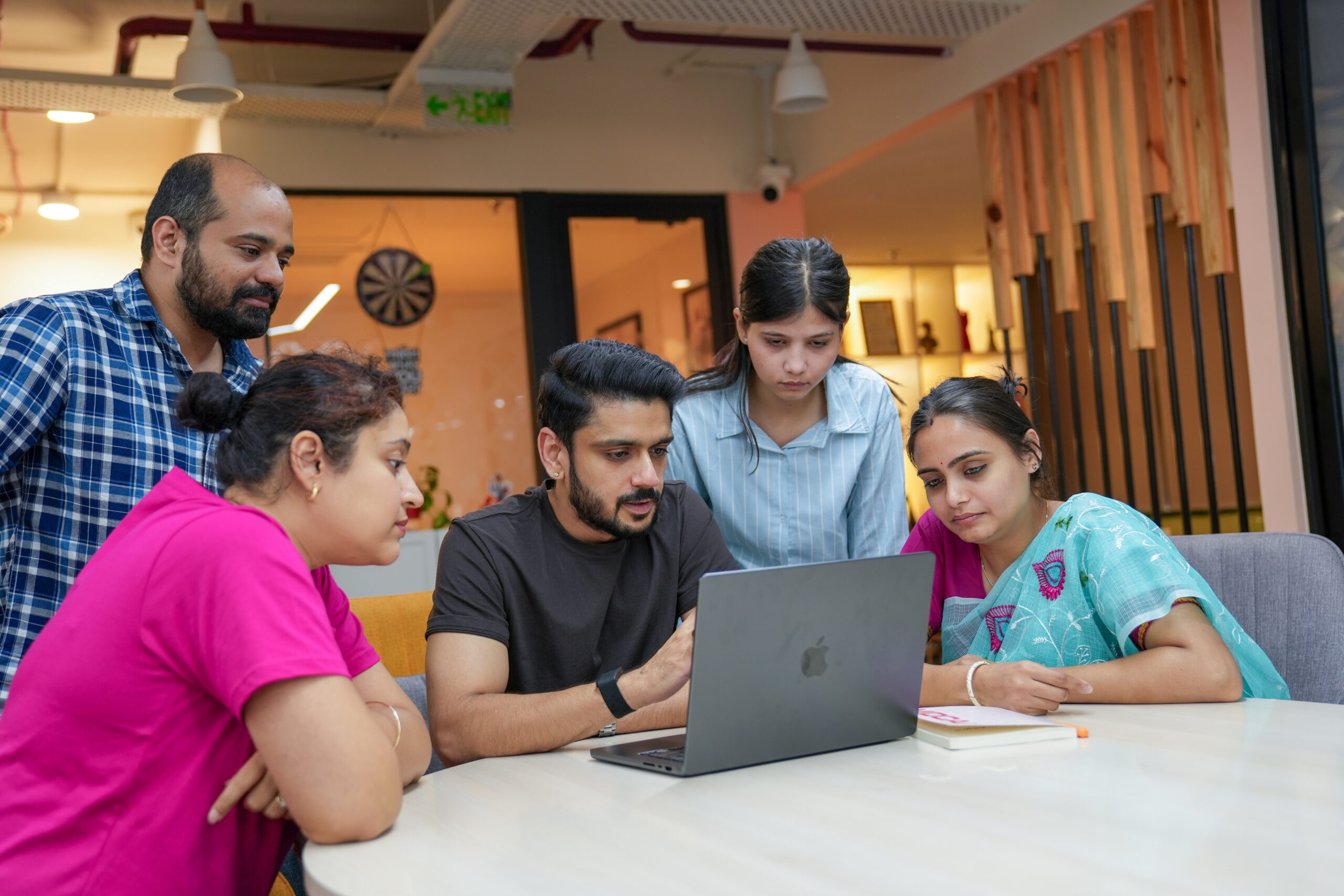
At MIDCAI, wearing multiple hats is not a workaround. It is how leaders get built.
When someone on our team leads a client conversation, architects a Salesforce solution, and mentors a junior colleague in the same week, that range is not accidental. That is the point. Narrow roles produce narrow growth. We are not interested in either.
Leadership development here is not a calendar event. It lives in how we structure work, who we put in rooms, and what we ask people to stretch into.
The AI-native Salesforce practitioners we are building today will lead this ecosystem tomorrow. That is not a vision statement. It is just what happens when you take people’s growth seriously and do not stop.
The Impact That Multiplies Outward
The Thriving Multiplier doesn’t stay inside our walls. That is what makes it a multiplier.
This past year:
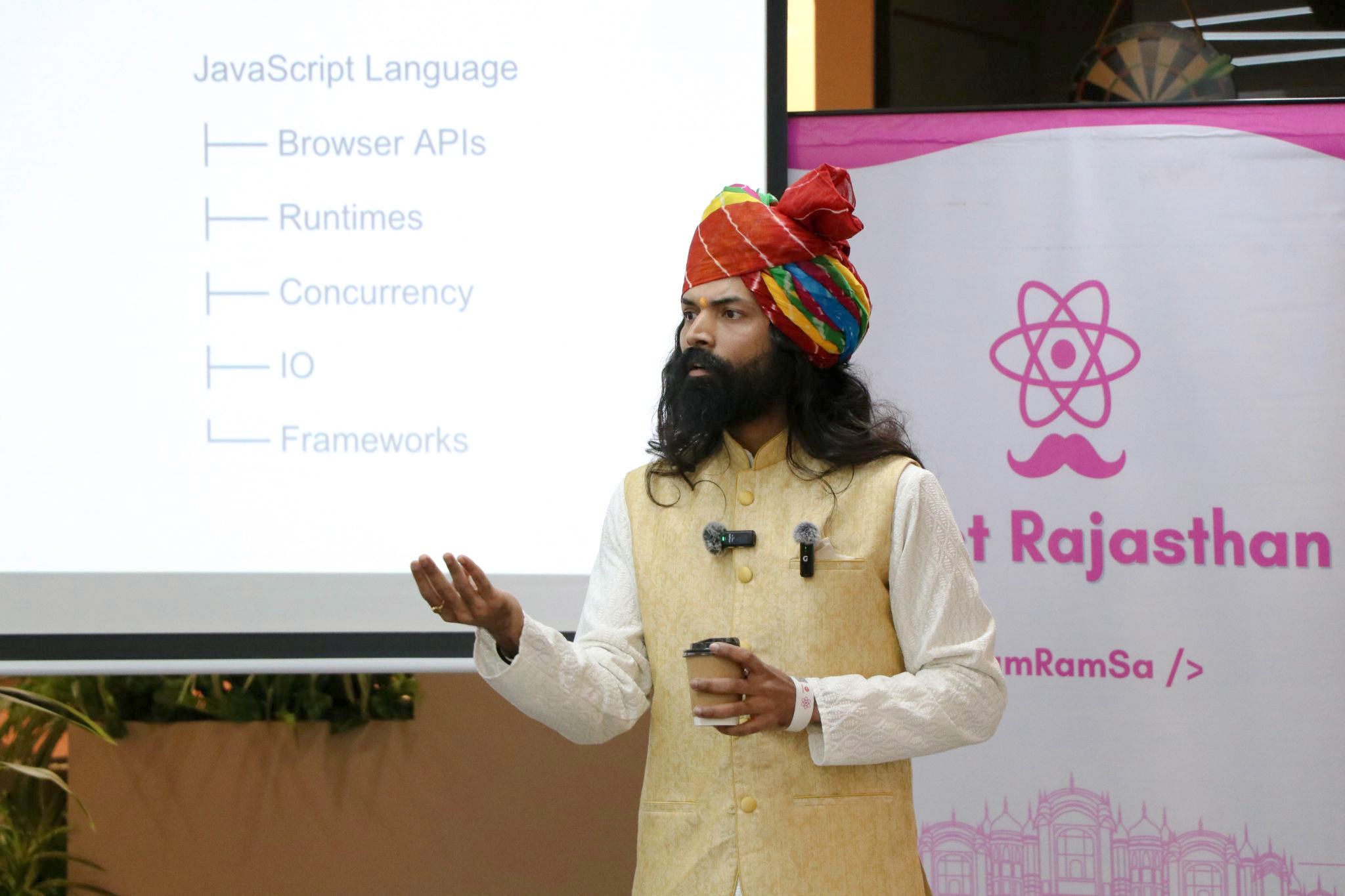
- We sponsored a React JS event that brought Jaipur’s developer and builder community together.
- We helped establish the Jaipur Slack chapter — a growing network of tech professionals who are now connected, learning, and creating opportunities together.
- We invested in AI skills development across the team and sponsored courses for interns, because the best thing we can offer someone at the start of their career is a genuine head start on the skills that will define the next decade.
None of this is separate from our business. It is a direct extension of it. A team that is growing itself creates the conditions for the communities around it to grow too. Invest inward with intention, and the impact multiplies outward, into client organisations, into ecosystems, into careers that we may never directly shape but will always have touched.
What the Pledge Changed
Joining Pledge 1% did not change what we believed. It changed how accountable we were to it.
There is something that happens when you commit publicly, not to a policy document, not to an internal goal, but to a global community of companies that take this seriously. The quiet decisions get harder to avoid. The ones made when no one is watching, when the budget is tight, when it would be easier to defer. The pledge lives in those moments more than any other.
We are twenty people. We are building leaders, growing a community, and showing up for the ecosystem around us, not because it scales neatly or looks good in a report, but because we believe a company’s greatest impact is the people it shapes and the communities it strengthens along the way.
That belief is our 1%. And we are just getting started.
Read the original article here.
It’s possible for young people to feel supported, connected and hopeful in a digital age. The Pinterest Impact Fund backs the people and organisations making that real on the ground.
From social media to AI, rapid advances in technology are reshaping daily life faster than protections, norms or regulations can keep up. Our world is more digitally connected than ever, yet many people feel increasingly isolated. Challenges around identity and belonging are driving a growing need for emotional well-being support, while the systems designed to meet that need remain fragmented and underfunded.
The Pinterest Impact Fund is working towards a world where everyone feels safe, seen and celebrated in every part of their lives—both on and offline. That means expanding what emotional well-being support looks through investments in organisations on the ground, working to advance youth mental health and well-being.
Our approach: Investing in joyful, community-rooted well-being
We recognise that emotional well-being is multi-faceted, and can be supported in ways that are joyful and affirmative. Community environments and relationships create spaces where people connect, build identity, express themselves and find belonging.
This perspective informs how we invest. We prioritise organisations that are:
- Community-rooted and culturally grounded
- Designing innovative, non-clinical approaches to well-being
- Reaching young people in ways that feel relevant, accessible and trusted
Many of our Impact Partners are early in their growth and deeply embedded in the communities they serve. They are often led and staffed by people who reflect those communities—particularly those that have been historically underrepresented—bringing lived experience that strengthens their ability to design culturally resonant solutions. This proximity enables them to build solutions in ways that traditional systems cannot.
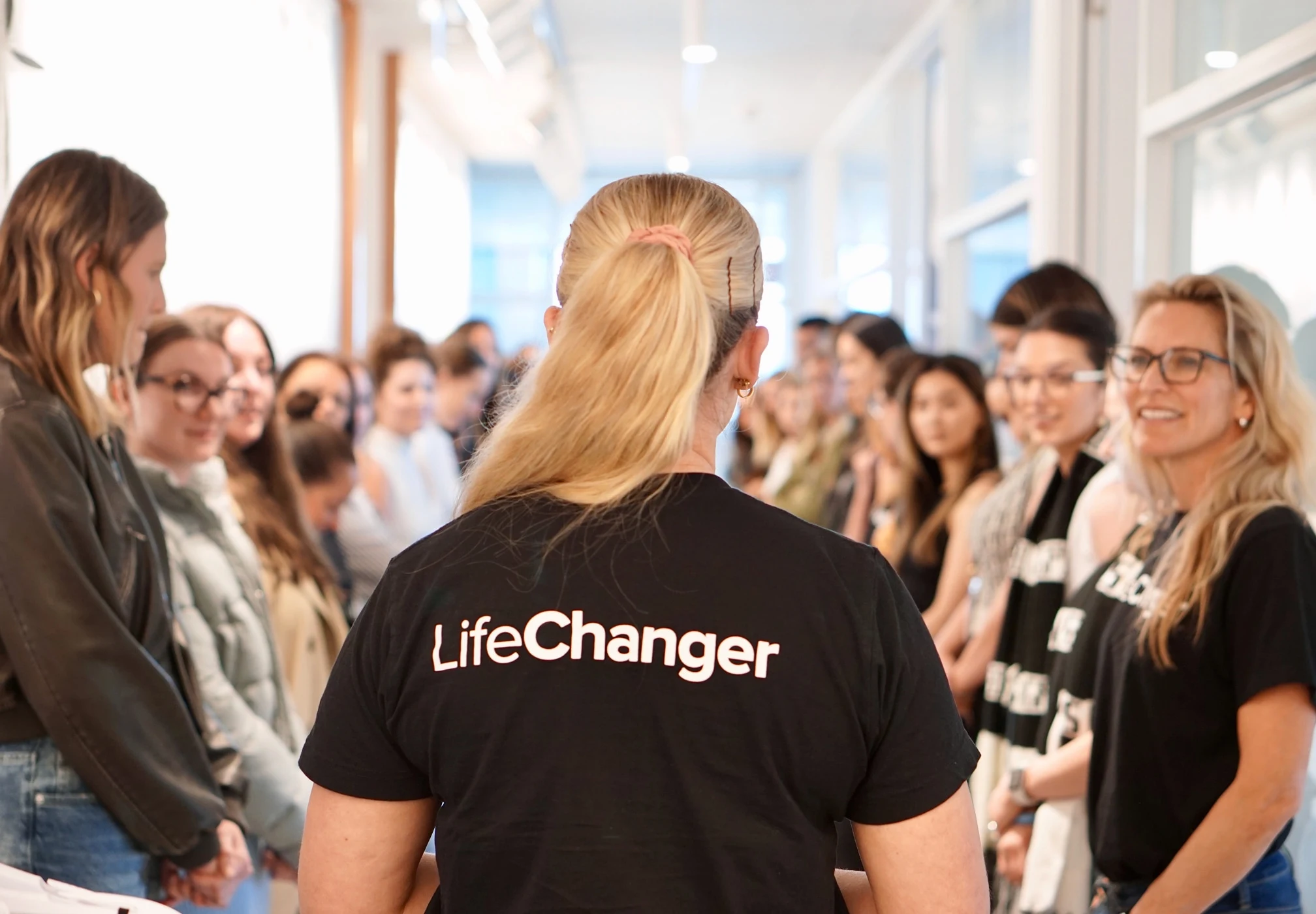
Our goal is to support and strengthen what these organisations already do, and help them to innovate. We do this through:
- Trust-based, flexible funding that allows partners to adapt and innovate as needs within their communities emerge
- A focus on emerging and scaling organisations with high potential
- Investment in organisational capacity and ecosystem participation, not just programmes
- Support for ecosystem connection across the ecosystem, so partners can learn from and collaborate with one another
Through this approach, we aim to help Impact Partners strengthen their foundations, grow their impact and contribute to a broader, more responsive emotional well-being ecosystem.
What we’re seeing: Growing reach, real outcomes and a strained system
Since 2021, the Pinterest Impact Fund has invested more than USD $40M through our Impact Partners to support youth emotional well-being around the world. Nearly 90% of those reached are youth (ages 13–26).1 With Gen Z as our fastest-growing audience on Pinterest,2 this work is core to both our mission and to our business.
We are also seeing encouraging indicators of impact1:
- 76% of programme beneficiaries report increased connectedness and belonging
- 67% report positive behavioural or emotional changes
- 80% of Impact Partners are collaborating within the emotional well-being network
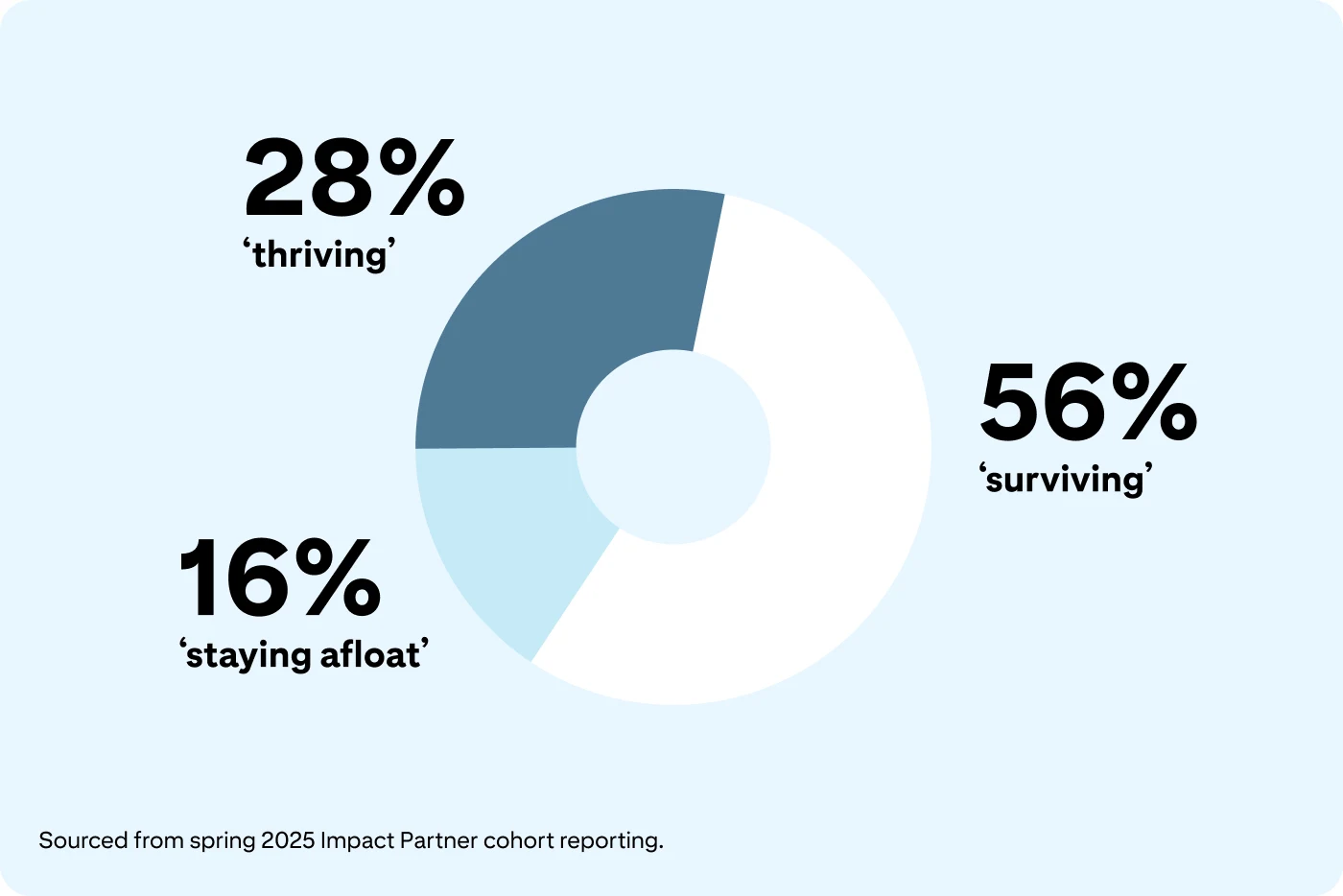
At the same time, many partners are operating within a fragmented and increasingly strained emotional well-being ecosystem, where organisations often struggle to secure sustained funding. More than half of organisations (56%) describe their current financial health as ‘surviving’, while 17% report ‘staying afloat’ and only 28% say that they are ‘thriving’.1
Partners cite insufficient funding, limited internal capacity, gaps in infrastructure and broader sector-wide uncertainty as persistent barriers to sustainability. Impact is growing, but the system is strained.
What enables impact: Trust, learning and long-term capacity
Pinterest is committed to building intentional, trust-based relationships that centre partners’ knowledge and expertise. This shows up through ongoing engagement and learning, including regular check-ins and initiatives such as Pinterest Impact Lab, which supports leadership and organisational capacity.
The majority of partners are on track or exceeding goals, with many reporting increased strategic clarity. Many have been able to unlock additional funding, signalling growing momentum and sustainability.
Impact Partners themselves say it best:
Partners bring deep, on-the-ground expertise that also informs Pinterest’s platform and policies. For example, Mental Health Foundation participates in a content escalation process to help identify and report harmful content, contributing to a safer and more supportive online environment.
Looking ahead: Advancing the movement for well-being in a digital age
At Pinterest, we’re committed to doing our part by continuing to partner, invest in and learn from our Impact Partners, while applying these insights to create a safer, more supportive experience for everyone.
As an investor, I spend a lot of time backing founders who use tech-enabled innovation to solve some of our world’s most vexing problems. I also believe companies should build generosity into their corporate DNA from the beginning. That is one reason I encourage portfolio companies to join the Pledge 1% and commit a portion of their equity to charitable causes. When a company creates long-term value, that value can and should also create long-term community impact.
For me, that philosophy shapes the kinds of leaders and organizations I look to invest in. It also extends to the community-based organizations I support. DignityMoves and their practical solution to end street homelessness is one of those organizations.
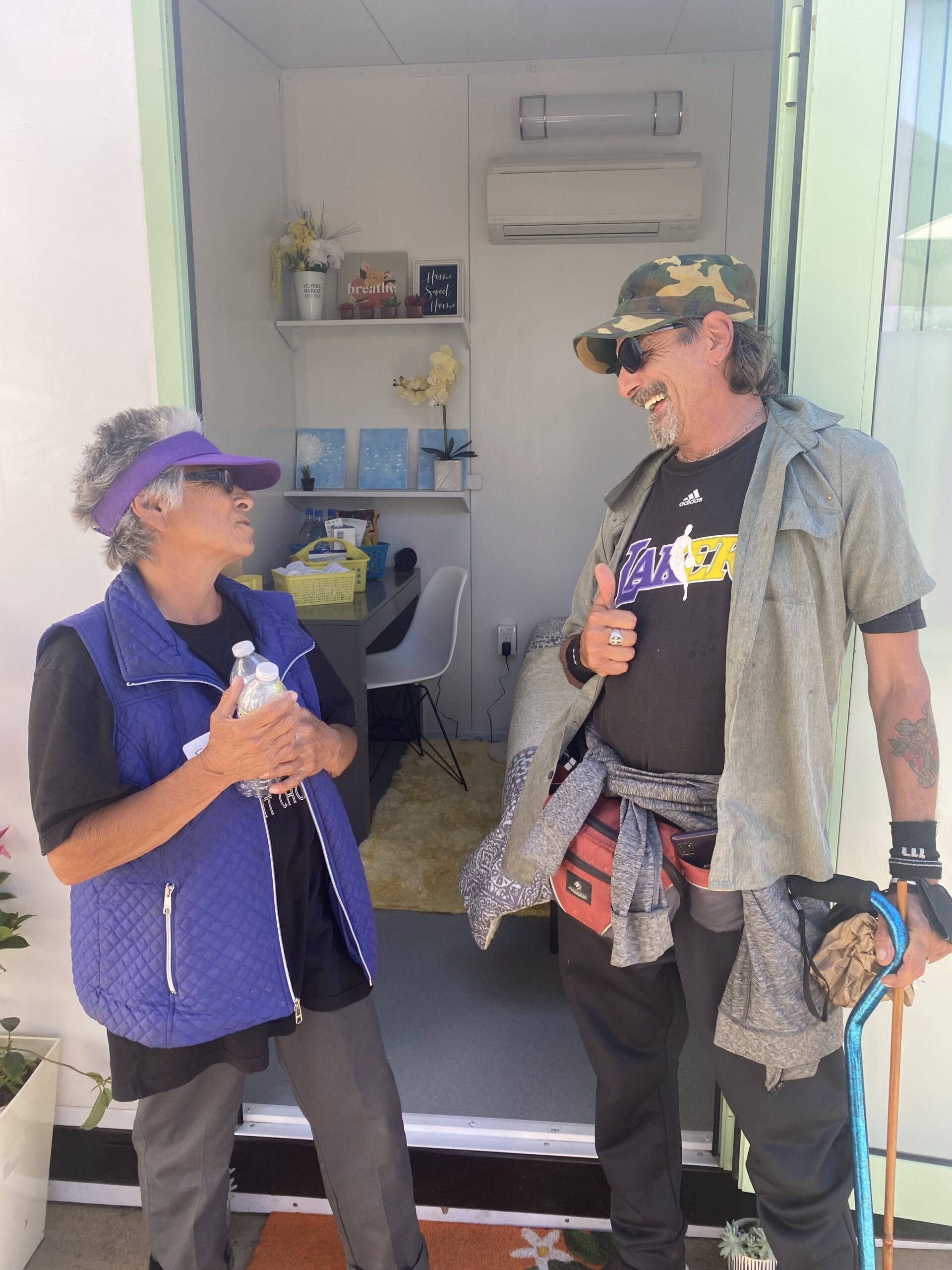
DignityMoves is tackling one of the most visible and urgent challenges facing communities across California: unsheltered homelessness. What drew me in is the simplicity of their interim supportive housing model, offering a pragmatic, cost-effective solution to a complex problem. And in just 5 short years since its founding, DignityMoves is demonstrating that street homelessness can be reduced and even ended when communities scale interim housing and commit to a clear, coordinated plan.
That plan starts with three steps
Step 1 is to count your unhoused residents and build enough interim supportive housing units to match that number, fast.
Step 2 is to ensure people move indoors by enforcing camping bans only once there’s truly somewhere safe for everyone to go.
Step 3 is to address the deeper housing-market pressures that push people into homelessness in the first place, especially rent burden and the shortage of homes affordable to working people.
That is where DignityMoves is helping change the equation.
The root causes of homelessness are complex, but one thing is clear: The longer someone remains living on the street, the more likely they’ll become trapped in a cycle of escalating health crises and high-cost interventions. That’s why speed in developing housing is not a luxury, it is a humanitarian necessity. The faster we create safe interim housing, the better chance we have of services reaching the homeless and beginning the recovery process.
DignityMoves partners with cities to turn vacant or underused land into dignified interim supportive housing quickly and cost-effectively. Using prefabricated, movable units and faster delivery methods, DignityMoves develops communities with private rooms, safe shared spaces, and service-enriched environments far faster than traditional development approaches. In doing so, it gives cities the practical housing capacity they need to bring people indoors now, while they continue the longer work of expanding permanent affordable housing.
What excites me most is that DignityMoves has already demonstrated real traction. I liken it to an early-stage company with a proven model and clear product-market fit. It’s seeing surging demand from cities and is operating in a policy environment increasingly aligned toward bringing people indoors quickly and humanely. And it has a Founder and CEO in Elizabeth Funk who combines urgency, strategic discipline, and a vision for scale.

I have watched DignityMoves grow from an early proof point into an organization with the potential to transform how cities respond to street homelessness. A big reason for that confidence is Elizabeth Funk. She brings a rare Silicon Valley sensibility to nonprofit leadership: bold in vision, rigorous execution, and a relentless focus on scale. Over the past two decades, Elizabeth has led impact investment funds and championed the use of market-based solutions to address social problems at a scale traditional philanthropy cannot reach alone. Earlier in her career, she helped build products at Microsoft and Yahoo!, experiences that shaped her belief that large, stubborn problems can be solved with the right combination of innovation, discipline, and partnerships. That is exactly how she leads DignityMoves today.
And that is why I am leaning in
For the Pledge 1% community interested in tackling street homelessness, the time to embrace step 1 is now. Supporting organizations like DignityMoves is one way to do exactly that.
DignityMoves has completed 12 projects totaling 898 beds and is on track to serve approximately 13,000 people over a decade through those communities. That alone is a meaningful impact. But what is even more compelling is what comes next.
With $3.7 million in capacity funding, DignityMoves projects it can scale to 6,450 beds by 2029, serving close to 100,000 people over a decade — transforming more than five times as many lives. That is the kind of leverage that should get the attention of any business leader, investor, or philanthropist interested in scalable social impact.
DignityMoves has a proven model, measurable impact, and a credible path to scale. The time to support this work is now.

If this resonated with you, join me in supporting DignityMoves’ Capacity to Scale Campaign. Please reach out to Elizabeth Funk at Elizabeth@dignitymoves.org for more information on how you can support this effort to help end street homelessness.
For all the complexity inherent in his leadership role at ADAPTOVATE Inc., Ghaleb El Masri easily zeroes in on his two essential goals. “It’s crucial to secure the right workplace culture for the high-quality team members we worked so hard to find,” says the global consultancy’s managing director, Canada.
“It’s both sides of the coin for us in terms of creating opportunity and being able to fulfill those opportunities for our people. They’re our greatest asset and, frankly, our only asset.”
Toronto-based ADAPTOVATE’s welcoming workplace is supported by employee benefits frequently found among top employers, El Masri notes, including tuition reimbursement, a minimum of four weeks of paid vacation, and flexible work hours and locations. And by some far less common perks as well.
“There’s $5,000 that can be spent as a flex budget for personal or wellness costs like a gym membership or for new experiences like going to another ADAPTOVATE office, whether in L.A. or Sydney or elsewhere,” says El Masri, “and we’re committed to Pledge 1%.” Under that global program, 19,000 member companies donate one per cent of staff time, product, profit or equity for social impact.
Pledge 1% is a core aspect of ADAPTOVATE’s deep involvement in community engagement. “In part, that reflects the company’s values, but we find it’s also very important for the type of people we’re looking to have join us,” El Masri says. “And we’d certainly hear from our people if they didn’t feel the company was aligned to what they care about. We have heard this in the past, with objections about certain companies or environmental practices — and it does factor into our business decisions.”
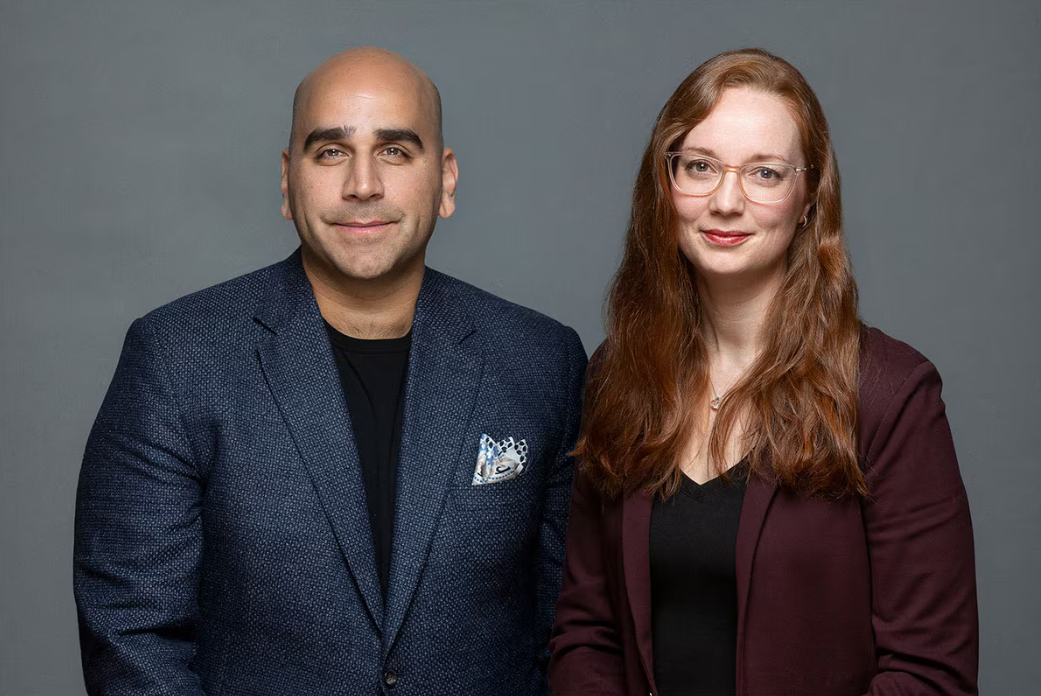
It’s an equally strong part of ADAPTOVATE’s appeal for management consultant Janelle Calvert, who works remotely for the most part from Bracebridge in Ontario’s cottage country, two hours north of Toronto. “I have previously volunteered here with Muskoka Victim Services, a non-profit, community-based organization that provides 24/7 emergency support and practical assistance to victims of crime and tragic circumstances,” says Calvert.
“Volunteer-run charities don’t always have access to training budgets, so ADAPTOVATE is volunteering the time to facilitate a one-day event to provide leadership training and an opportunity to network for a number of community organizations,” she says. “So, I suggested this to Ghaleb, and he thought it was a great idea.”
The response was no surprise to Calvert. “This is a pretty special place. We’re small and we’re all involved with everything involving our clients — from business development to marketing initiatives to coaching — while learning from each other,” she says. “The personalities we have within the company are all geared toward this mindset and this style of working.”
It’s all part of practising what you preach when you help clients adjust to a changing world, according to El Masri. “We are always holding up a mirror and asking, ‘Are we the cobbler’s child who has no shoes?’” he says. “We decided recently we really had to grow in our technical capabilities, and in 2025 everyone in the firm had to learn some basic AI programming and achieve Microsoft Azure certification.”
“I’ve always said this place is a unicorn,” says Calvert. “Its entire premise is to help people work together better, and that means both clients and employees.”
At Compass Furnished Apartments, our commitment to Pledge 1% is rooted in a simple belief: it’s more than housing, it’s about people, community, and sustainability.
Through our Compass Cares program, we dedicate 1% of our product and profit to supporting patients and families traveling for medical care, in addition to meaningful community and sustainability initiatives. These stays become more than just accommodations—they provide a sense of stability during uncertain times, a place to rest after long hospital days, and a space where families can feel together, supported, and at home when it matters most.
In partnership with organizations like Hospitality Homes, we provide both discounted and, when possible, fully complimentary stays—helping ease the financial and emotional weight of being far from home when it matters most.
In 2025 alone, this commitment resulted in 170 Compass Cares stays, including 1,915 discounted nights and 69 complimentary nights, delivering more than $25,000 in savings to families navigating medical challenges.
Beyond housing, we extend our impact through revenue-based giving and employee-led initiatives that reflect what matters most to our team. We’ve donated over $6,000 to nonprofits chosen by our employees and planted over 50 trees, turning meaningful moments into meaningful impact. From these contributions to sustainability effort, our commitment to care extends far beyond every stay.
For us, this work goes beyond giving back. It’s about driving meaningful impact—supporting patients and families, investing in our communities, and advancing a more sustainable future.
How often do we stop to consider the true cost of our clothes? As I learned more about the fashion industry, it became impossible to ignore the environmental damage and harm to garment workers baked into the way most clothing is made. I wanted to shop more responsibly, but finding truly sustainable brands felt overwhelming and unclear.
That led me to a simple question: What if buying clothes included giving back by default?
I started Eco-Stylist to help make sustainable fashion easier to navigate for conscious consumers — and to make it easier for shoppers to give back simply by supporting brands that are doing fashion better.
As part of this work, Eco-Stylist certifies sustainable fashion brands using rigorous sustainability standards, helping shoppers identify companies that truly align with their values. Behind the scenes, we also work directly with brands to improve their sustainability practices and communicate their impact more clearly. Through our commitment to Pledge 1%, we donate a number of our brand certification services (valued at $499 each) every year to small sustainable brands that otherwise couldn’t afford them.
So far, this has helped emerging brands earn certification, build consumer trust, and grow without compromising their values. It’s not just about a label — it’s about giving brands the tools they need to succeed responsibly.
As a social enterprise, impact is already central to our work. But pledging 1% allows us to also give back in an intentional and accountable way. As a small business, we especially value that 100% of our 1% goes directly toward causes we believe in.
Our hope is that more businesses begin to see giving back as a standard part of doing business. When generosity is baked into the model from the start, impact becomes scalable — and collective.


Astonous joined Pledge 1% with a simple commitment: to integrate meaningful community impact into the way we work. Through this pledge, we dedicate time and company effort toward initiatives that promote dignity, connection, and wellbeing within our local communities.
As part of this commitment, our team recently visited Atmanirbhar Vridhashram – Ashadeep Sansthan in Jaipur, a home that provides a safe and caring environment for elders supported through community-driven care. Our intention was to contribute through presence spending time with residents, engaging in light activities, and helping create a warm and inclusive atmosphere.
During our visit, our team spent time interacting with residents, participating in light activities, and supporting the daily rhythm of the home. These moments highlighted how thoughtful engagement and shared experiences can help strengthen emotional wellbeing and create a sense of togetherness.
For Astonous, the Pledge 1% movement reflects our long-term commitment to purposeful social responsibility. We remain dedicated to supporting environments that honor dignity and nurture meaningful human connection, and we look forward to continuing our contribution to community wellbeing in the years ahead.