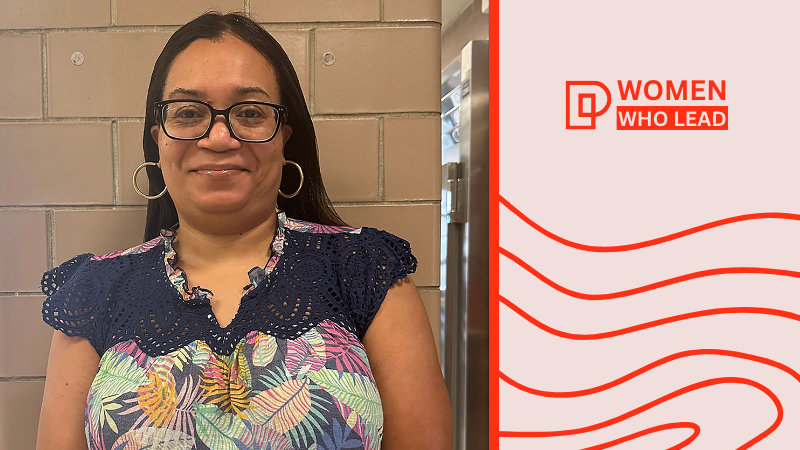
Renee Holland
VP, People, Contentstack
📍Denver, USA
What qualities do you think leaders need to have in today’s world?
Leaders today need clarity, courage, and deep empathy, and for women leaders, those aren’t “nice to haves,” they’re survival skills. We are often navigating higher scrutiny and more invisible labor, so being grounded in our values and willing to make hard, transparent decisions really matters.
I also think women leaders, in particular, need strong boundaries and self‑trust: the ability to say “no,” to push back on unrealistic expectations, and to advocate for themselves with the same energy they use to advocate for their teams. Pair that with a learning mindset, and you get leaders who can both adapt quickly and bring others along.
If you had to describe your leadership style in one word, what would it be and why?
Authentic. As a female leader, I’ve learned that the most powerful thing I can do is show up as my real, whole self, and create space for others to do the same. Authenticity means my words, actions, and decisions are aligned with my values, even when it’s uncomfortable or unpopular.
For me, being authentic looks like naming the hard things instead of dancing around them, sharing the “why” behind decisions, and admitting when I don’t have it all figured out. It’s bringing both head and heart into the room: being transparent about trade‑offs, clear about expectations, and human about how those decisions land on people. That combination builds deep trust. When leaders are authentic, people feel safe to be honest, to disagree, to bring forward ideas and concerns early. It creates a culture where we don’t have to perform a version of ourselves at work, we can be who we are, grow faster, and do better work together.
How does your company’s Pledge 1% program help shape the kind of workplace culture you believe in?
Pledge 1% directly supports the kind of culture I want to be part of : one where care, impact, and business outcomes are all part of the same conversation. It reinforces that using our product, time, and resources to support communities isn’t an afterthought, it’s embedded in how we define success.
For women especially, who are often expected to carry the “emotional glue” of an organization, it’s powerful to have a formal structure that recognizes and channels that desire to contribute into real, resourced programs. It creates shared purpose, cross‑team connection, and a sense that our work can meaningfully improve lives beyond our own walls.
This year marks the 7th year of Pledge 1%’s #WomenWhoLead campaign. How can companies champion and support female leadership?
First, companies have to do the unglamorous systems work: clear promotion criteria, equitable pay ranges, consistent calibration, and regular audits for gender and intersectional equity. If the system is biased, no amount of “confidence training” for women will fix it. Second, move from mentorship to sponsorship. Women need leaders who will say their name in the rooms they’re not in yet, put them on high‑visibility projects, and back them when they take smart risks.
If you could write a note to your younger self on her first day of work, what would it say?
You’re not “lucky to be here”, you earned your seat, and you’re allowed to take up space. Speak up earlier, even if your voice shakes a little. The questions you’re afraid to ask are usually the ones everyone else is wondering, too. Don’t shrink your ideas to make other people comfortable. The way you see people, systems, and culture is a real strategic skill, not a soft side note. What you do matters to people and to the businesses – never accept “You’re not a revenue-producing department” as a rationale for minimizing the impact and difference your expertise provides. Protect your energy, find other women who will tell you the truth and cheer for you at the same time.