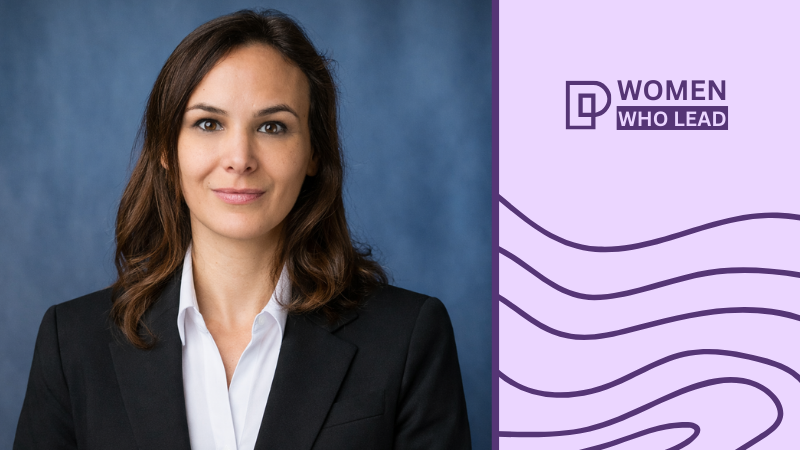
Aida Rodriguez
Director of Data Insights, Appfire
📍Malaga, Spain
What qualities do you think leaders need to have in today’s world?
I believe today’s leaders need three essential qualities: integrity, strategic thinking, and a learning mindset. Integrity is fundamental because trust is fragile; consistency between words and actions, ethical behavior, and honesty are non-negotiable. Leaders must also think strategically, looking beyond daily operations to identify patterns, anticipate trends, and connect short-term actions to long-term goals. Finally, with technology, markets, and societal expectations evolving so quickly, leaders need to be continuous learners and foster that same culture of curiosity and growth within their teams.
If you had to describe your leadership style in one word, what would it be and why?
If I had to choose one word, it would be empowering. I believe leadership is less about control and more about creating the conditions for others to succeed. An empowering leader builds trust, shares context instead of just instructions, encourages ownership, and supports growth. The goal is not to be the smartest person in the room, but to help others bring their best thinking forward. Empowerment also creates accountability — when people feel trusted and valued, they tend to step up, not step back.
How does your company’s Pledge 1% program help shape the kind of workplace culture you believe in?
Pledge 1% turns values into action and reinforces a culture of accountability and collective responsibility. It ensures that giving back is not a one-off initiative, but a structured commitment embedded in how we operate. At the same time, it brings people together across roles and geographies around shared causes, creating alignment and a sense of belonging. It signals that we measure success not only by what we build, but by how we contribute together.
This year marks the 7th year of Pledge 1%’s #WomenWhoLead campaign. How can companies champion and support female leadership?
Companies can champion and support female leadership by embedding equity into their structures and culture, backed by visible commitment from the top. This means implementing transparent promotion criteria, setting measurable representation goals, conducting regular pay equity reviews, and holding leaders accountable for progress. At the same time, organizations must foster inclusive environments where different leadership styles are valued, psychological safety is prioritized, and biased behaviors are actively challenged. Lasting change happens when executive leadership clearly signals that advancing female leadership is a strategic business priority, not just an initiative, and consistently allocates the attention and resources to support it.
If you could write a note to your younger self on her first day of work, what would it say?
You don’t need to be as perfect as you think you do. Focus on progress, not perfection, and trust your skills, judgment, and work ethic. Speak up sooner and don’t underestimate the value of your perspective — you deserve a seat at the table. Most importantly, remember that a career is a marathon, not a sprint. You don’t have to prove everything at once; confidence and impact are built over time through learning, consistency, and showing up.